Best Construction Apps for Field Crews (2026)

If you run a construction company, you already know the gap between office software and what actually works in the field. Your project manager might love the desktop dashboard, but your foreman standing in the mud at 6:30 AM needs something different. He needs an app that loads fast, works without perfect cell service, and doesn’t require a computer science degree to figure out.
The best construction apps for field teams in 2026 solve real problems: tracking hours without paper timesheets, logging what happened today without a phone call to the office, snapping jobsite photos that actually end up in the right project folder. This guide breaks down what to look for, which categories of apps matter most, and how to avoid the trap of subscribing to a dozen tools that don’t talk to each other.
What Makes a Good Construction App for the Field?
Before we get into specific categories, let’s talk about what separates a good construction app from one that collects dust on your crew’s phones.
It has to work on a phone. Not “technically works on a phone” where you’re pinching and zooming around a desktop layout. It needs a proper mobile interface designed for a 6-inch screen and dirty fingers. If your guys need to tap tiny buttons or scroll through endless menus, they won’t use it. Period.
Offline mode is not optional. Construction happens in basements, rural lots, and concrete structures that kill cell signals. Any app that requires a constant internet connection is built for office workers, not field crews. The best construction apps cache data locally and sync when connectivity returns.
Speed matters more than features. Your crew has about 30 seconds of patience for any app. If it takes a minute to load a project or three taps to start a timer, they’ll go back to paper. The apps that win adoption are the ones that let people do the one thing they need to do, fast.
Simplicity beats power. This one hurts to hear if you’re the owner evaluating software, because you want all the features. But the fancy Gantt chart view doesn’t matter if your field superintendent never opens the app. Pick tools that your least tech-savvy crew member can figure out in five minutes.
It needs to play nice with what you already use. No construction app exists in a vacuum. If your time tracking app can’t feed data into your payroll system, you’re just moving the data entry problem from one screen to another. Look for integrations or, better yet, an all-in-one platform that handles multiple workflows.
Project Management Apps That Work Offline
Project management is the backbone. Your crew needs to know what they’re doing today, where they’re going, and what materials should be on site. Here’s what works in 2026:
Projul stands out for contractors who want scheduling, task management, and crew coordination in one place. The mobile app gives field teams a clear daily view of their assignments without wading through project-level complexity. The interface is built around how contractors actually work, not how software engineers think they should work.
Procore remains the go-to for larger commercial operations. It’s powerful, but that power comes with a learning curve and a price tag that puts it out of reach for most small to mid-size contractors. If you’re running $10M+ projects, it’s worth evaluating. Below that, you’re probably overpaying for features you’ll never touch.
Buildertrend targets residential builders and remodelers. It handles client communication well with its customer portal, which is a nice touch for homeowners who want to see progress. The mobile experience has improved over the years, though it still feels a bit cluttered for pure field use.
Fieldwire focuses specifically on task management at the field level. It’s strong for punch lists and drawing markup. If your main pain point is getting tasks assigned and tracked at the crew level, Fieldwire does that well. It’s more of a field execution tool than a full project management platform, though.
The key question with project management apps: does your field team actually need to see the full project plan, or do they just need today’s tasks and tomorrow’s schedule? Most crews need the latter. Pick the app that does that simply.
Time Tracking and Daily Log Apps Your Crew Will Use
Time tracking and daily logs are where field apps deliver the fastest ROI. Every contractor has stories about lost timesheets, disputed hours, or daily reports that never got written. The right app fixes all of that. If you want a deeper look at measuring output on the jobsite, our field productivity tracking guide covers the metrics and methods that matter most.
Projul’s time tracking and daily log features are built into the same platform your crew already uses for scheduling. That means no separate login, no separate app. Your foreman opens Projul, clocks in the crew, and logs the day’s work in the same place he checks tomorrow’s schedule. That’s the kind of simplicity that drives adoption.
Busybusy is a solid standalone time tracking app for construction. GPS-verified clock-ins, simple interface, and it works offline. (Projul takes this further with geo-fenced time tracking that auto-verifies location.) If you only need time tracking and nothing else, it’s worth a look. The downside is it’s just time tracking. You’ll need other tools for everything else.
Raken focuses on daily reporting and has built a strong product around that specific workflow. Superintendents can create daily logs with photos, weather data, and crew counts quickly from their phone. It’s clean and purpose-built. The limitation is the same as Busybusy: it’s a single-purpose tool.
Hcss (formerly HeavyJob) serves heavy civil contractors with time tracking that ties directly into cost codes and job costing. If you’re moving dirt and pouring concrete on DOT projects, Hcss speaks your language. For general contractors and specialty trades, it’s overkill.
Here’s the honest truth about time tracking apps: the best one is the one your crew will actually use every day. A perfect system that nobody opens is worse than a basic system with 100% adoption. When you’re evaluating options, hand your phone to your newest hire and see if they can clock in within 60 seconds. That’s your real test.
Communication Apps That Keep Everyone Connected
Construction communication is a mess on most jobsites. Half the crew uses text messages, the foreman calls the office, the sub emails the GC, and somehow critical information falls through the cracks daily. Dedicated communication tools help, but only if everyone’s actually on them.
Built-in messaging within your project management tool is the best approach. When communication lives inside the same app as your schedule, tasks, and daily logs, everything stays connected to the right project. Projul includes team communication so your messages have context. A text thread labeled “John” doesn’t tell you which project you were discussing three weeks later.
Slack and Microsoft Teams have made inroads in construction offices, but field adoption is mixed. They’re great for office-to-office communication. They’re less great when your electrician needs to send a quick photo of a problem to the GC. Too many channels, too many notifications, too much noise for field workers who just need to flag an issue and move on.
WhatsApp and group texts remain the most commonly used “communication tools” on jobsites, for better or worse. They’re simple, everyone already has them, and they work. The problem is zero organization. Good luck finding that photo of the cracked foundation from three months ago in a group chat with 47 members.
Procore and Fieldwire both offer communication features tied to specific tasks and RFIs, which works well for formal project communication. But for quick field-to-office updates, they can feel heavy.
The communication app that works best is the one that’s already open on your crew’s phone. That’s another argument for all-in-one platforms. If your guys are already in Projul for time tracking, they’ll use Projul’s messaging. If they have to open a separate app just to send a message, most won’t bother.
Photo and Document Apps for Jobsite Records
Every contractor has learned the hard way that documentation protects you. Whether it’s a dispute with a client, a warranty claim, or an insurance issue, the company with photos and records wins. The company without them pays.
The right integrated construction software can automate much of this and free up your time for actual building.
Projul’s photo and document management lets your crew snap photos directly within a project, tag them, and they’re automatically organized and backed up. No more hunting through camera rolls trying to figure out which jobsite a photo came from. No more photos trapped on a guy’s personal phone when he leaves the company.
CompanyCam is probably the most well-known standalone photo app for contractors. It does one thing and does it well: organized, GPS-tagged, timestamped jobsite photos. The interface is dead simple, which means high crew adoption. The catch is it’s another subscription and another app your crew needs to manage.
PlanGrid (now part of Autodesk Build) is strong for document management, especially around drawings and blueprints. If your field teams reference plans constantly, PlanGrid’s ability to overlay markups on drawings is genuinely useful. For smaller operations, it might be more tool than you need.
Google Drive or Dropbox technically work for document storage, but they’re not built for construction. No GPS tagging, no automatic project organization, no easy mobile capture workflow. You’ll spend more time organizing files than a purpose-built tool would cost.
Photo documentation is one area where getting your crew on board is usually easy. Most people already take photos on the job. The challenge is getting those photos into a system instead of just living in someone’s camera roll. The simpler you make the capture process, the more documentation you’ll end up with.
All-in-One vs Specialized Apps: The Cost of App Sprawl
Here’s where most contractors make an expensive mistake. They find the best time tracking app, the best photo app, the best scheduling app, and the best communication app. Now they’re paying for four subscriptions, training their crew on four interfaces, and managing four sets of logins. None of the apps talk to each other, so data lives in silos.
Not sure if Projul is the right fit? Hear from contractors who use it every day.
This is app sprawl, and it’s a real problem in construction.
The math on app sprawl hurts. Say you’ve got a standalone time tracker at $8/user/month, a photo app at $12/user/month, a daily log tool at $10/user/month, and a project management tool at $15/user/month. That’s $45/user/month for tools that don’t share data. For a 20-person company, you’re at $900/month or $10,800/year. And your office manager is still manually transferring data between systems.
All-in-one platforms like Projul consolidate those workflows. Time tracking, daily logs, photo documentation, scheduling, communication, and project management in a single tool. One subscription, one login, one training session. Your data flows between features automatically. When your foreman logs time, it’s connected to the project. When he adds photos, they’re tagged to the right job. Check Projul’s pricing and compare it to what you’re spending on three or four separate tools.
The argument for specialized tools is that they do their one thing better than an all-in-one does. And that’s sometimes true. CompanyCam is a fantastic photo app. Busybusy is a solid time tracker. But “better” only matters if the difference is significant enough to justify the extra cost, complexity, and data fragmentation.
Here’s the framework for deciding: If a specialized tool solves a problem that your all-in-one platform genuinely can’t handle, add it. But start with a complete platform first. Most contractors who start with Projul find they don’t need separate tools for time tracking, daily logs, or photo management.
If you’re a smaller operation still figuring out which software to start with, our construction software guide for small contractors breaks down how to evaluate your options without overcomplicating things.
How to Choose the Right App for Your Field Crews
Picking software for an office team is one thing. Picking software for a crew that spends all day on a jobsite is a different challenge. Here’s a practical checklist that works for any size contractor.
Start with your biggest pain point. Don’t try to fix everything at once. If lost timesheets are costing you thousands each month, start there. If your daily logs are a mess and you’re losing disputes because of it, start there. Solve the problem that hurts the most first, then expand.
Watch your crew for a day. Before you even look at apps, spend a day observing how your field teams actually handle paperwork. Where do things break down? When does your foreman pull out a notepad? When does he call the office with a question he should be able to answer himself? Those moments are your buying criteria.
Check the app store reviews from contractors. Not the polished testimonials on the vendor’s website. Go to the App Store or Google Play and read what real users say. Pay attention to complaints about speed, crashes, and offline performance. One-star reviews from field workers tell you more than any sales demo.
Ask about data ownership. If you cancel the subscription, can you export your data? Some platforms make it easy. Others hold your project history hostage. Before you put two years of daily logs and photos into any system, make sure you can get them back out.
Look at the login process. This sounds small, but it matters. If your crew has to remember a complex password and enter it every morning, some of them will stop opening the app. Look for tools that support fingerprint login, PIN codes, or stay-logged-in options on trusted devices. Every tap between “I need to clock in” and “I’m clocked in” is a chance for someone to give up and go back to paper.
Consider who handles setup. Some apps need an admin to configure everything before the crew can start. Others let you get going in minutes. If you don’t have a dedicated office person to manage software, pick something that doesn’t need constant babysitting. Projul is designed so a contractor can set it up without hiring an IT person.
Why Offline Mode Can Make or Break Your Field App
We mentioned offline mode earlier, but it deserves its own section because it’s that important. Most app vendors claim “offline support,” but the reality varies wildly.
True offline mode means your crew can do everything they need to do with zero internet connection. Clock in and out. Fill out daily logs. Take and tag photos. View tomorrow’s schedule. All of it works without a signal. When the phone reconnects, everything syncs automatically in the background. No duplicate entries. No lost data.
Fake offline mode means the app doesn’t crash when you lose signal, but you can’t actually do anything useful. You might see a cached version of yesterday’s schedule, but you can’t add a time entry or submit a log. That’s not offline support. That’s a loading screen with extra steps.
Why this matters so much in construction: Think about where your crews work. Basement renovations with zero cell coverage. Rural new builds miles from the nearest tower. Concrete tilt-up buildings that block signals like a bunker. High-rise projects where the elevator shaft is a dead zone. If your app only works with a strong connection, it only works part of the time. For crews that need reliable access on every job, setting up dedicated jobsite wifi and connectivity can solve the problem at the source.
Test offline mode before you buy. Here’s how: download the trial app, load a project, then turn on airplane mode. Try to clock in. Try to add a daily log entry. Try to take a photo and attach it to a project. If any of those actions fail, the app’s offline support isn’t real. Move on.
Sync conflict handling matters too. What happens when two people edit the same record offline and both sync later? Good apps handle this gracefully with timestamps and conflict resolution. Bad apps overwrite one person’s data silently. Ask the vendor how they handle sync conflicts before you commit.
Projul was built with the reality of construction jobsites in mind. Offline mode isn’t an afterthought or a premium add-on. It’s baked into how the app works because the team behind it knows that cell service on a jobsite is never guaranteed.
What to Look for in App Integrations
No single app does everything. Even the best all-in-one platforms need to connect with your accounting software, your payroll provider, or your estimating tools. Here’s how to think about integrations without getting overwhelmed.
Payroll is the most important integration. If your time tracking app can’t send hours to your payroll system, someone in your office is re-typing every entry by hand. That’s slow, expensive, and guaranteed to produce errors. Before you pick a time tracking tool, confirm it connects to your payroll provider. QuickBooks, Gusto, ADP, and similar platforms should have direct connections or easy export options.
Accounting comes next. Your job costing data needs to flow into your books without manual entry. Look for apps that sync with QuickBooks, Xero, or whatever you use. Projul’s QuickBooks integration is a good example of how this should work. Hours and costs flow directly from the field into your accounting system.
Estimating and proposals are another key connection point. When you win a job, the estimate data should flow into your project management tool automatically. Re-entering scope, budget, and line items into a separate system is a waste of time and a source of errors.
CRM and lead management might matter if your company handles sales. When a lead becomes a project, you don’t want to copy and paste client details from one system to another. A connected workflow saves time and keeps your data clean.
Check the integration method. There are big differences in quality. A native, built-in integration is best. It’s maintained by the app vendor and usually works without extra setup. A Zapier or third-party connector is fine for simple data transfers but can break, lag, or cost extra. A “we have an API” response from a vendor means they’re telling you to hire a developer. Unless you have one on staff, that’s not a real integration for most contractors.
Don’t chase integrations you don’t need. It’s easy to get caught up in wanting everything connected. But if you only have 10 employees and run 5 projects at a time, you don’t need enterprise-grade integrations. Focus on the connections that save you the most manual data entry today.
Training Your Crew and Getting Buy-In
You can pick the best app in the world, but if your crew won’t use it, you wasted your money. Getting field teams to adopt new technology is one of the hardest parts of going digital. Here’s what works.
Start with one crew, not the whole company. Pick your most adaptable crew leader and his team. Get them comfortable with the app first. Let them work out the kinks, find the shortcuts, and build confidence. Then use them as your internal champions when you roll out to everyone else. People trust their coworkers more than they trust a sales pitch.
Keep training short and specific. Don’t sit your crew down for an hour-long software demo. Show them three things: how to clock in, how to fill out a daily log, and how to take a photo. That’s it for day one. Add more features later once the basics are second nature. Five minutes of focused training beats an hour of information overload.
Make it mandatory from day one. If you give your crew the option to use the app or keep using paper, they’ll choose paper every time. Set a firm cutover date. After that date, paper timesheets aren’t accepted. This sounds harsh, but it’s the only way to get 100% adoption. If the app is truly simple, the adjustment period is short.
Show them what’s in it for them. Your crew doesn’t care about your office efficiency. They care about getting paid correctly and going home on time. Frame the app that way. “This makes sure your hours are right so you get paid for every minute.” “This means no more end-of-week timesheet scrambles on Friday afternoon.” When people see personal benefit, resistance drops fast.
Have a point person for questions. Designate someone, either a tech-savvy crew member or an office admin, as the go-to for app questions during the first few weeks. If a guy in the field can’t figure something out and has nobody to ask, he’ll stop trying. A quick text to a point person keeps people on track.
Expect pushback and plan for it. Some of your most experienced workers will resist the hardest. They’ve done things a certain way for 20 years and see no reason to change. Don’t fight them head-on. Pair them with a younger crew member who picks it up fast. Peer influence works better than top-down mandates for the most stubborn holdouts.
Celebrate early wins. When the app catches a payroll error in the first week, tell everyone. When a daily log with photos saves you in a client dispute, share that story. Real examples from your own company are the best proof that the technology is worth the effort.
The contractors who succeed with field apps aren’t the ones with the fanciest technology. They’re the ones who take adoption seriously and make it easy for their people to succeed. If you want to see how Projul makes this process simple, talk to the team and ask about onboarding support.
Picking the Right Construction Apps for Your Team
The best construction apps in 2026 aren’t the ones with the longest feature lists or the slickest marketing videos. They’re the ones your field team actually opens every morning.
Start with the basics. Get time tracking and daily logs dialed in first. Those deliver the fastest payback and the easiest crew adoption. Then layer on photo documentation, scheduling, and communication. If you can get all of that in one platform, you’ll save money and avoid the headache of managing a dozen logins.
Test before you commit. Most construction apps offer free trials. Put the app in front of your field crew, not just your office team. Watch how your least tech-savvy worker interacts with it. If they struggle, your adoption rate will be low no matter how good the software is on paper.
See how Projul makes this easy. Schedule a free demo to get started.
And remember: the goal isn’t to digitize everything overnight. It’s to replace the pain points that cost you the most time and money right now. For most contractors, that starts with getting hours tracked accurately and daily logs submitted consistently. Everything else builds from there.
Frequently Asked Questions
What are the best construction apps for small contractors?
Do construction apps work without cell service?
How much do construction field apps cost per month?
Can I get my crew to actually use a construction app?
What features should I prioritize in a construction field app?
Related Articles
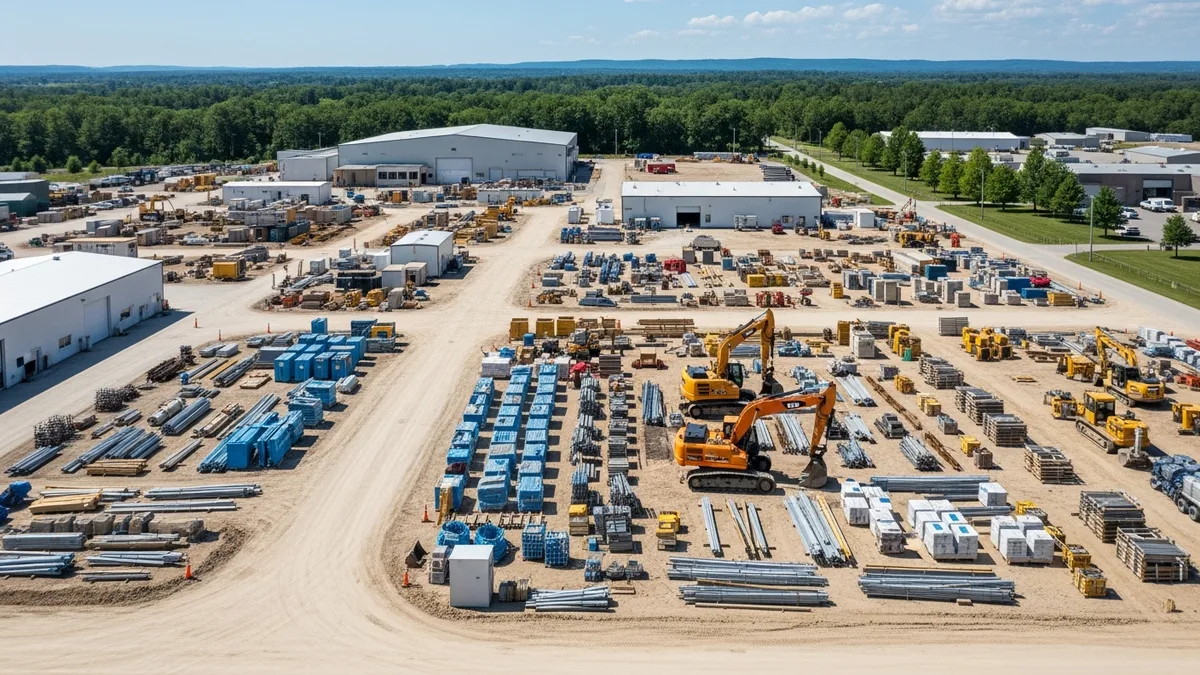
How to Build a Construction Technology Stack That Actually Works
Most contractors juggle 5 to 8 apps that don't talk to each other. Here's how to build a construction technology stack...
Read More →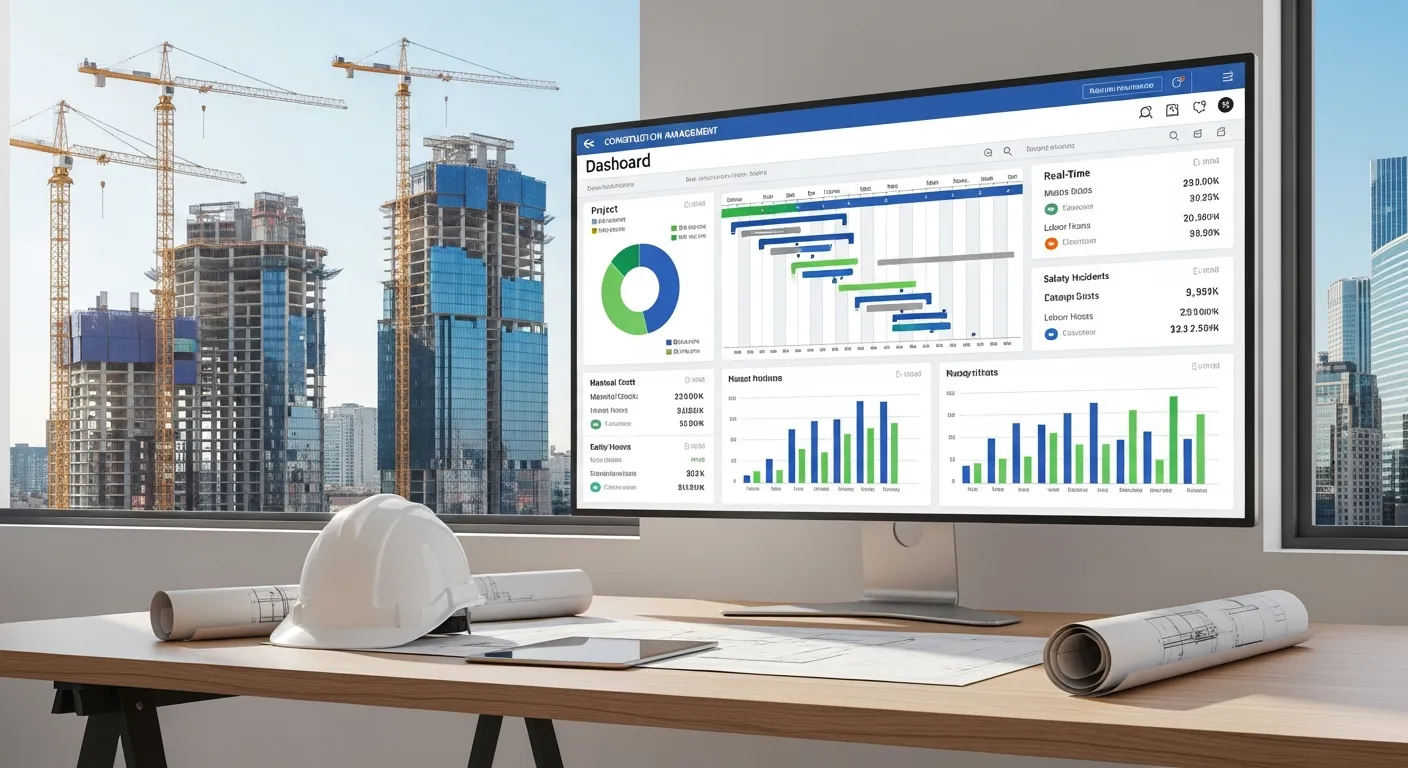
7 Best Construction Software Platforms (2026) - Honest Contractor Reviews
We tested 7 construction software platforms and compared real pricing, mobile apps, and job costing. See which ones...
Read More →
Construction Technology Trends 2026: What Contractors Need to Know
Construction technology trends 2026 are reshaping how contractors schedule, estimate, and manage projects. Here's what...
Read More →