
Construction Dispute Resolution Without Court | Projul
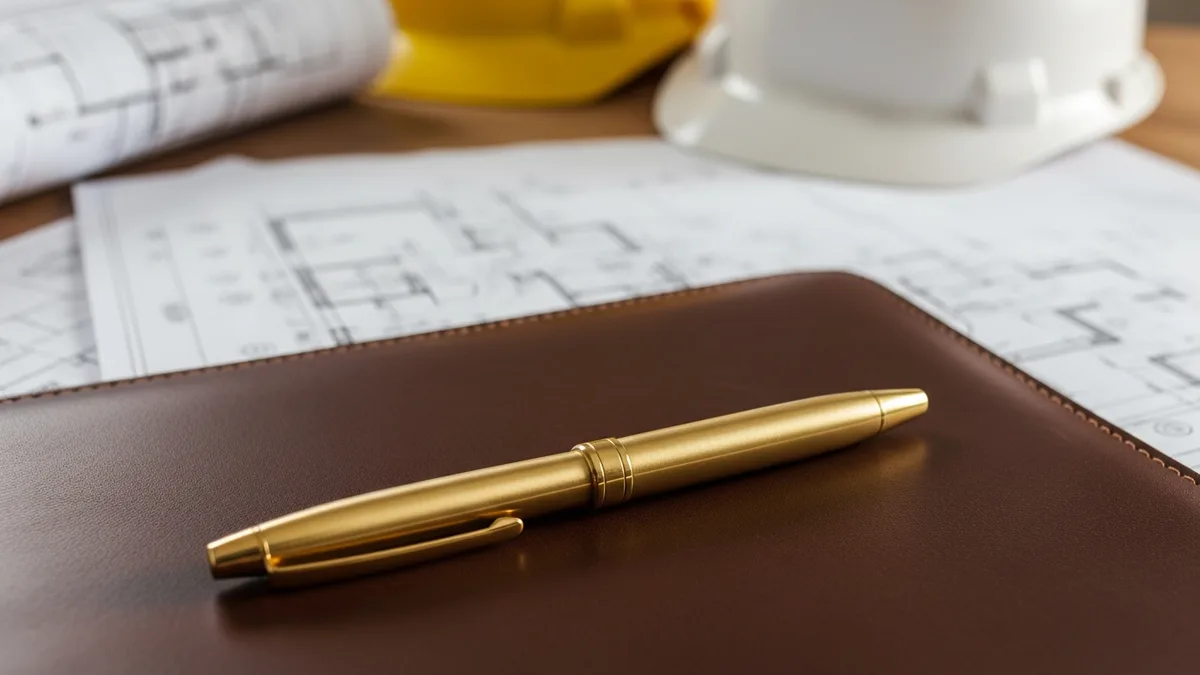
Every contractor has been there. A homeowner refuses to pay the final invoice because they claim the tile grout is the wrong shade. A subcontractor walks off the job over a change order disagreement. A supplier delivers the wrong materials and points to fine print you never read.
Construction disputes are part of the business. But taking every disagreement to court? That is a fast way to burn through cash, lose months of productivity, and destroy relationships you spent years building.
The good news: most construction disputes never need to see the inside of a courtroom. Negotiation, mediation, and arbitration can settle the vast majority of conflicts faster, cheaper, and with less damage to your reputation. Here is how to handle disputes the smart way.
Why Court Should Be Your Last Resort
Litigation sounds decisive. You file a lawsuit, a judge hears both sides, and someone wins. In reality, it is nothing like that.
Construction lawsuits take an average of 12 to 24 months to resolve. Complex cases stretch to three years or more. During that time, you are paying attorney fees, producing mountains of documents, sitting through depositions, and spending days in your lawyer’s office instead of on job sites.
The financial hit is real. Legal fees for a mid-sized construction dispute typically run $50,000 to $150,000 per party. Even if you win, you may not recover those costs. And if the other side files for bankruptcy or simply cannot pay, that judgment is just a piece of paper.
Then there is the relationship damage. Construction runs on referrals and repeat business. Once you drag a client, subcontractor, or GC into court, that relationship is over. And word gets around.
Court makes sense in certain situations: fraud, safety violations, or when someone simply refuses to engage in any other resolution process. For everything else, there are better paths forward.
Step 1: Start With Direct Negotiation
Before you involve anyone else, pick up the phone. Seriously. A surprising number of disputes dissolve with a direct conversation.
The key to successful negotiation is separating the emotion from the facts. You might be furious that the owner is withholding $40,000 over a punch list item worth $800. That anger is valid. But leading with it will not get you paid.
Here is a practical approach to direct negotiation:
Get your documentation in order first. Pull the contract, all signed change orders, daily logs, photos, and any written communication. You need to walk into the conversation with facts, not feelings. If you are using daily logs consistently, you already have a timeline of exactly what happened and when.
Request a face-to-face meeting. Email and text messages create misunderstandings. Tone gets lost. A 30-minute sit-down or video call accomplishes more than two weeks of back-and-forth emails.
Focus on interests, not positions. Their position might be “I am not paying.” Their interest might be “I am worried the roof will leak in two years.” Once you understand the real concern, you can address it directly, maybe with a warranty extension or a small repair, and get the invoice paid.
Put the agreement in writing immediately. If you reach a handshake deal, follow up the same day with a written summary both parties sign. Verbal agreements fall apart fast.
Negotiation works best when both sides have a genuine interest in resolving the issue. If the other party is unresponsive, dishonest, or simply digging in, it is time to move to the next step.
Step 2: Bring In a Mediator
Mediation is a structured negotiation with a neutral third party guiding the conversation. The mediator does not make a decision or force a settlement. They help both sides find common ground.
For construction disputes, mediation is often the sweet spot. It is faster than arbitration, far cheaper than court, and it keeps the outcome in your hands. For a deeper look at how the process works from start to finish, check out our construction mediation guide.
How mediation works in practice:
Both parties agree on a mediator, usually someone with construction industry experience. Each side submits a brief summary of their position before the session. On mediation day, the mediator meets with both parties together, then typically splits them into separate rooms (called “caucuses”) and goes back and forth carrying offers and information.
Most construction mediations resolve in one to two sessions. Cost is usually split 50/50 and runs between $1,000 and $5,000 total, depending on the complexity and the mediator’s rate.
Why mediation works so well for contractors:
- You stay in control of the outcome. Nobody forces a decision on you.
- It is confidential. Nothing said in mediation can be used in court later.
- It preserves relationships. The tone is collaborative, not combative.
- It is fast. You can schedule a mediation session within a few weeks, not months.
When to push for mediation:
If direct negotiation has stalled, suggest mediation in writing. Frame it as a practical business decision, not a sign of weakness. Something like: “I think we both want to resolve this without spending money on lawyers. I would like to suggest mediation with a neutral third party. I will split the cost 50/50.”
Projul is trusted by 5,000+ contractors. See their reviews to find out why.
Most reasonable people will agree because the alternative, a lawsuit, is worse for everyone.
Step 3: Consider Arbitration for Larger Disputes
When mediation does not produce a settlement, or when the stakes are high enough to need a definitive ruling, arbitration is the next step.
Arbitration is essentially a private trial. An arbitrator (or panel of arbitrators) hears evidence from both sides and issues a decision. Depending on your contract, that decision may be binding or non-binding.
Binding vs. non-binding arbitration:
Binding arbitration means the arbitrator’s decision is final. Courts will enforce it, and your ability to appeal is extremely limited. This gives you certainty, but you need to be comfortable with the risk that the ruling might not go your way.
Non-binding arbitration gives you an advisory opinion. Either side can reject it and proceed to court. This sounds less useful, but in practice, the arbitrator’s opinion often pushes both sides toward a realistic settlement because now everyone knows how a neutral third party views the case.
What to expect from the arbitration process:
Arbitration is more formal than mediation but less formal than court. There are opening statements, witness testimony, and document evidence. However, the rules of evidence are relaxed, the timeline is compressed, and you typically get a decision within 30 to 90 days after the hearing.
Costs run higher than mediation but lower than full litigation. Expect to spend $10,000 to $50,000 depending on complexity, arbitrator fees, and whether you hire legal counsel (which is recommended for arbitration).
Check your contract first. Many construction contracts already include arbitration clauses that specify which disputes go to arbitration and which organization (like the AAA or JAMS) administers it. If your contract has this clause, you may be required to arbitrate before you can file a lawsuit. Understanding your contract terms before a dispute arises saves headaches later.
How Documentation Wins (or Loses) Your Case
Here is a truth that applies to negotiation, mediation, arbitration, and court: the party with better documentation almost always comes out ahead.
When a dispute involves a disagreement over what work was done, when it was done, or what was agreed upon, paperwork is everything. Memory is unreliable. People remember conversations differently. But a signed change order, a timestamped photo, or a daily log entry from the day in question? That is hard to argue with.
The documentation that matters most in disputes:
- The original contract and all amendments. This is your foundation. Every dispute starts with “what did we agree to?”
- Change orders. Unsigned or verbal change orders are the single biggest source of construction disputes. Every change needs to be documented, priced, and signed before the work happens. Our change order guide breaks down exactly how to handle this.
- Daily logs. A daily log that records crew size, hours worked, weather conditions, deliveries, and any issues is gold during a dispute. It creates a contemporaneous record that is very difficult to challenge.
- Photos and videos. Before, during, and after photos of every phase of work. If you are managing photos and documents digitally, they come with automatic timestamps and are organized by project, which makes retrieval during a dispute simple.
- Payment records. Every invoice sent, every payment received, every outstanding balance. Clean invoicing records show exactly who owes what and when payments were due.
- Written communication. Emails and texts that document decisions, approvals, complaints, and responses. If something important is discussed over the phone, follow up with an email summarizing what was agreed.
Contractors who treat documentation as an afterthought are the ones who lose disputes they should have won. The 10 minutes a day it takes to keep solid records can save you tens of thousands of dollars when a disagreement turns serious.
Protecting Yourself Before Disputes Happen
The best dispute is the one that never happens. While you cannot prevent every disagreement, you can set up your business to minimize them and position yourself well when they do occur.
Write better contracts. A contract that clearly defines scope of work, payment terms, change order procedures, timelines, and dispute resolution steps eliminates most of the gray areas where disputes breed. Do not use a generic template you pulled off the internet. Invest in a construction-specific contract reviewed by an attorney in your state.
Include a dispute resolution clause. This clause should spell out the exact steps both parties agree to follow: negotiate first, then mediate, then arbitrate or litigate. Having this in the contract means nobody can jump straight to a lawsuit without first trying to work it out.
Know your lien rights. In many states, your mechanic’s lien is the most powerful tool you have for collecting payment. But lien deadlines are strict and missing them means losing that protection entirely. Understand your state’s requirements by reviewing our lien rights guide, and never let a dispute resolution process cause you to miss a filing deadline.
Track your costs in real time. Disputes often center around money: how much the work cost, whether a change order was fair, or whether the job went over budget. When you track job costs accurately from day one, you have the numbers to back up your position instead of guessing.
Communicate proactively. Most disputes start as small misunderstandings that snowball. If there is a delay, tell the client before they notice. If material costs spike, have the change order conversation immediately. If a sub is falling behind, address it on day three, not day thirty.
Document everything from day one. This bears repeating because it is that important. The contractors who never seem to get tangled up in nasty disputes are the same ones who run organized job sites, keep clean records, and put everything in writing. It is not luck. It is discipline.
When You Do Need a Lawyer
Not every dispute can be settled over a handshake or through mediation. There are situations where legal counsel is not just helpful but necessary.
You need a construction attorney when:
- The dispute involves more than $50,000 (the exact threshold depends on your risk tolerance, but this is a reasonable starting point)
- There are allegations of fraud, misrepresentation, or intentional misconduct
- The other party has already hired an attorney
- You received a formal legal notice, lien, or lawsuit filing
- The dispute involves complex insurance, bonding, or licensing issues
- You are considering filing or responding to a mechanic’s lien
How to work with an attorney without going broke:
Hire a construction attorney, not a general practice lawyer. Construction law has specific rules, deadlines, and norms that a family law attorney or corporate lawyer will not know.
Use your attorney strategically. You do not need them to write every email. Get their advice on the big decisions: whether to accept a settlement offer, how to respond to a legal threat, and what your strongest and weakest arguments are. Handle the day-to-day communication yourself.
Ask about fee structures upfront. Some construction attorneys work on contingency for payment disputes. Others offer flat fees for specific tasks like reviewing a settlement agreement or filing a lien. Hourly billing adds up fast, so understand the costs before you commit.
Bring organized documentation to your first meeting. The more organized your records are, the less time (and money) your attorney spends getting up to speed. Show up with the contract, all change orders, payment history, relevant photos, daily logs, and a clear timeline of events. Your attorney will thank you, and your bill will be smaller.
The Bottom Line
Construction disputes are inevitable. How you handle them defines whether they are a minor bump in the road or a business-threatening crisis.
Start with a conversation. If that does not work, bring in a mediator. If mediation fails, consider arbitration. Save the courthouse for the cases that truly require it.
And through every step, let your documentation do the heavy lifting. The contractor who keeps clean records, writes solid contracts, and communicates clearly is the contractor who resolves disputes quickly, cheaply, and with their reputation intact.
See how Projul makes this easy. Schedule a free demo to get started.
Disputes do not have to derail your business. Handle them well, and they become just another part of running a professional operation.
Frequently Asked Questions
What is the cheapest way to resolve a construction dispute?
How long does construction mediation usually take?
Is an arbitration decision legally binding?
Can I still file a lien if I choose mediation or arbitration?
Should I include a dispute resolution clause in every construction contract?
Related Articles
Construction Exit Strategy: How to Sell Your Construction Company
What buyers look for in a construction company and how to get yours ready to sell at the right price.
Read More →
How to Build a Referral Program for Your Construction Business
A step-by-step guide to building a referral program that keeps qualified leads coming in from your existing network.
Read More →
How to Create a Construction Business Continuity Plan
How to keep your construction business running when things go sideways.
Read More →