
How to Sell a Construction Company | Projul
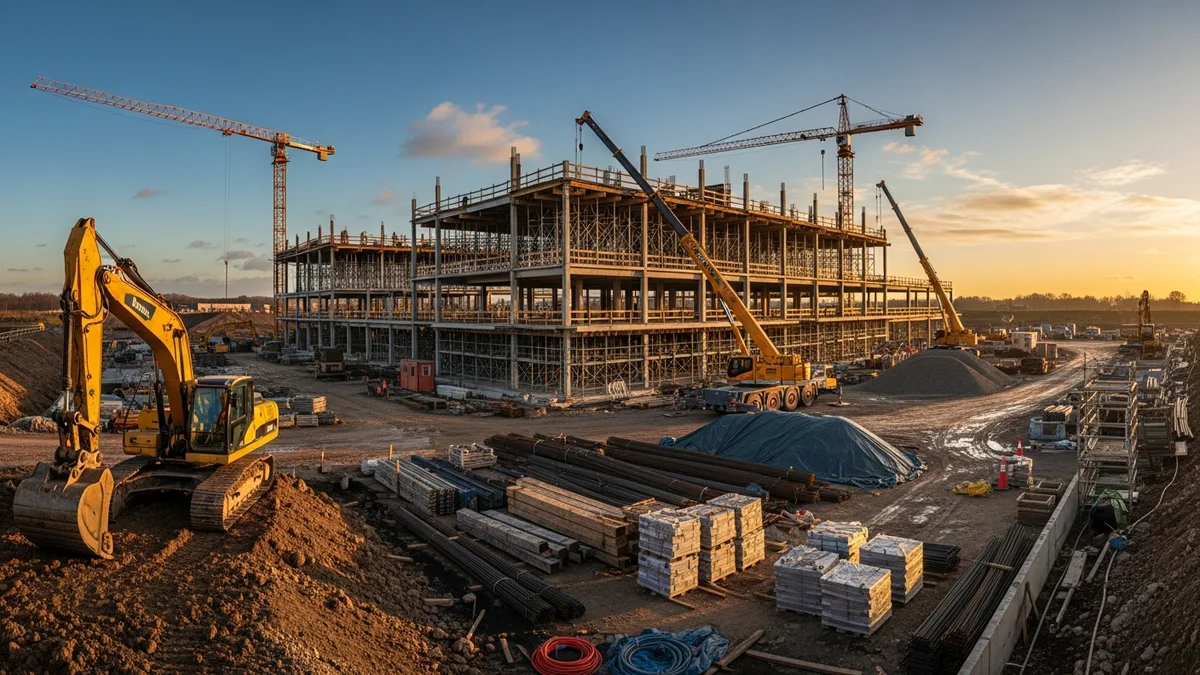
You built this company from nothing. Maybe you started with a truck, a tool belt, and a willingness to outwork everyone else on the job site. Now, years later, you have crews, equipment, a reputation, and a business that puts food on the table for dozens of families.
But at some point, every contractor asks the same question: what’s my exit plan?
Whether you are five years from retirement, burned out, or just curious what your company is worth, thinking about your exit strategy now is one of the smartest moves you can make. Selling a construction company is not like selling a house. It takes planning, preparation, and a clear understanding of what makes your business valuable to a buyer.
This guide walks you through the entire process, from figuring out what your company is worth to getting it ready for sale and closing the deal.
Why Every Contractor Needs an Exit Strategy
Here is a hard truth: most construction company owners have no exit plan. They work 60-hour weeks for 20 or 30 years, and when they are finally ready to step away, they realize the business cannot survive without them. The company closes, the equipment gets auctioned off, and decades of hard work disappear.
That is not an exit strategy. That is a shutdown.
A real exit strategy means building a business that has value beyond you personally. It means someone else, whether that is a family member, a key employee, or an outside buyer, can step in and keep the machine running.
The earlier you start thinking about this, the better. Even if selling is 10 years away, the decisions you make today directly affect what your company will be worth when you are ready to walk away. If you have not already thought about succession planning, now is the time.
An exit strategy also gives you options. Maybe the market gets hot and someone makes you an offer you did not expect. Maybe your health changes. Maybe a competitor wants to acquire your territory. Having your house in order means you can move quickly when the right opportunity shows up.
Understanding What Your Construction Company Is Worth
Valuation is where most contractors get a reality check. You might think your company is worth $5 million because that is what you have billed over the years. But revenue is not value. A buyer cares about what the business earns after expenses, and more importantly, what it will earn after you leave.
The basics of construction company valuation
Most construction businesses sell based on a multiple of earnings. The two most common metrics are:
- Seller’s Discretionary Earnings (SDE): Net profit plus owner’s salary, benefits, and any personal expenses run through the business. This is common for smaller companies where the owner is heavily involved.
- EBITDA (Earnings Before Interest, Taxes, Depreciation, and Amortization): More common for larger companies. This gives buyers a cleaner picture of operating profitability.
Typical multiples for construction companies range from 2x to 5x earnings. A $500,000 SDE company might sell for $1 million to $2.5 million depending on its strengths and weaknesses.
What pushes the multiple higher
Buyers will pay more for companies that check these boxes:
- Consistent profitability over 3 to 5 years. One good year does not count. You need a track record. Understanding your profit and loss statements inside and out is essential.
- Diversified customer base. If one customer accounts for more than 20% of revenue, that is a red flag.
- Strong backlog. Signed contracts and a pipeline of upcoming work show the business has momentum.
- Recurring revenue or repeat clients. Service contracts, maintenance agreements, or long-term client relationships are gold.
- Skilled workforce that stays. Low turnover and experienced crews are a major asset.
- Clean financials. If your books are a mess, expect a lower offer or no offer at all.
What drags the multiple down
- Heavy owner dependency (you are the rainmaker, the estimator, and the project manager)
- Inconsistent or declining revenue
- Poor safety record or pending litigation
- Outdated equipment with deferred maintenance
- No systems or documented processes
Getting Your Financials Sale-Ready
Nothing kills a deal faster than sloppy books. Buyers and their accountants will go through your financials with a fine-toothed comb during due diligence. If your numbers do not add up, they will either walk away or slash their offer.
Start cleaning up your financials at least two years before you plan to sell. Here is what that looks like:
Separate personal and business expenses. That truck your son drives? The family cell phone plan on the company account? The hunting trip you wrote off as a client meeting? All of it needs to go. Buyers want to see what the business actually costs to run.
Get accurate job costing in place. If you cannot show profit margins by project type, a buyer has no way to evaluate which parts of your business are actually making money. Good job costing is not just a management tool. It is a selling tool.
Produce professional financial statements. At minimum, you need three years of tax returns, profit and loss statements, balance sheets, and cash flow statements. Reviewed or audited financials from a CPA carry more weight than self-prepared documents.
Clean up your accounts receivable. Old unpaid invoices sitting on your books make the business look poorly managed. Tighten up your invoicing process and collect what you are owed before going to market.
Document your cash flow patterns. Construction is seasonal and project-based, so buyers expect some fluctuation. But you need to show that you understand your cash cycles and can manage through slow periods. A solid cash flow forecasting process tells buyers the business is financially mature.
Reducing Owner Dependency Before You Sell
This is the single biggest factor that determines whether your company sells for a premium or a discount. If the business falls apart without you, it is not really a business. It is a job with employees.
Buyers want to acquire a company that runs itself. Here is how to get there:
Build a management team
You need at least one or two people who can run day-to-day operations without you. That means a project manager or operations manager who handles the work, and ideally someone who manages the office and finances. These people should be making decisions, managing crews, and dealing with clients on their own.
Document your processes
Every repeatable task in your business should have a written process. How do you estimate a job? How do you onboard a new employee? How do you handle a warranty callback? Write it down. Buyers are not just buying your revenue. They are buying a system that produces revenue.
Transfer client relationships
If every major client has your personal cell number and expects to deal with you directly, that is a problem. Start introducing your project managers and account managers to key clients. Let them attend meetings, handle issues, and build their own relationships. By the time you sell, clients should be comfortable working with your team, not just you.
Step back gradually
Start taking longer vacations. Let your team handle a week without you, then two weeks, then a month. If things fall apart when you are gone, you know exactly what needs to be fixed. If everything runs smoothly, you have proof that the business does not depend on you. That proof is worth real money at the negotiating table.
Timing the Sale: When Is the Right Moment?
Timing matters more than most owners realize. Selling at the wrong time can cost you hundreds of thousands of dollars. Here are the factors to consider:
Your company’s performance
Not sure if Projul is the right fit? Hear from contractors who use it every day.
The best time to sell is when business is strong and trending upward. A growing backlog, increasing revenue, and improving margins all signal to buyers that the company has momentum. Selling during a down year or right after losing a major client puts you in a weak negotiating position.
Market conditions
The construction industry goes through cycles. During boom times, there are more buyers looking to acquire capacity and market share. During downturns, buyers are cautious and multiples drop. Pay attention to industry trends, interest rates, and local market conditions.
Your personal readiness
Are you actually ready to walk away? Many contractors think they want to sell, but when the time comes, they cannot let go. Selling a business you built from scratch is emotional. Make sure you have a plan for what comes next, whether that is retirement, consulting, a new venture, or just fishing every day.
The 2-to-3 year runway
Ideally, you should start actively preparing for a sale 2 to 3 years before you want to close the deal. That gives you time to clean up financials, reduce owner dependency, invest in systems, and build up your backlog. If you have been thinking about scaling your construction company, doing that before a sale can significantly increase your valuation.
Finding Buyers and Closing the Deal
Once your company is ready, it is time to find the right buyer. Here is how the process typically works:
Types of buyers
- Strategic buyers are companies in the construction industry looking to expand. They might want your geographic territory, your specialty, your workforce, or your client relationships. Strategic buyers often pay the highest prices because they see value beyond just the financials.
- Financial buyers are private equity firms or investors looking for a return. They tend to be more focused on the numbers and may want you to stay on for a transition period.
- Internal buyers are employees or partners within your company. This can be a great option if you have loyal managers who know the business, though financing can be tricky.
- Individual buyers are people looking to buy a business instead of starting one from scratch. They are more common for smaller companies.
The role of brokers and advisors
A business broker who specializes in construction can be worth their weight in gold. They know how to value your business accurately, find qualified buyers, maintain confidentiality, and negotiate deal terms. Expect to pay a commission of 8% to 12% for smaller deals, with the percentage decreasing as the sale price increases.
You will also want a good attorney experienced in business transactions and an accountant who understands construction. This is not the time to cut corners on professional advice.
Deal structure matters
The sale price is just one piece of the puzzle. How the deal is structured can have a bigger impact on what you actually walk away with.
- Asset sale vs. stock sale: Most small construction company sales are asset sales, where the buyer purchases the company’s assets (equipment, contracts, name) but not the legal entity. This is simpler and limits the buyer’s liability exposure.
- Seller financing: Many deals include some seller financing, where you carry a note for part of the purchase price. This can help get the deal done and may result in a higher total price, but it means you are taking on risk.
- Earnouts: The buyer pays part of the purchase price based on future performance. This bridges the gap when buyer and seller disagree on value, but it ties your payout to someone else’s management.
- Transition period: Most buyers will want you to stay on for 6 to 24 months to help with the transition. Be clear about your expectations and compensation during this period.
Due diligence
Once you have a signed letter of intent, the buyer will conduct due diligence. They will review your financials, contracts, employee records, insurance policies, equipment condition, safety records, and legal history. This is where clean books and organized records pay off. Having your estimating history, project records, and financial data well organized in a single system makes this process dramatically easier.
Closing
After due diligence, you move to closing. This involves finalizing purchase agreements, transferring licenses and permits, notifying bonding companies, and handling employee transitions. Your attorney will guide you through the details, but expect the closing process to take 30 to 90 days after due diligence is complete.
Making the Decision
Selling your construction company is one of the biggest financial decisions you will ever make. It deserves the same level of planning and attention you give to your biggest projects.
Start early. Get your finances in order. Build a team that can run the business without you. Document everything. And when the time comes, surround yourself with good advisors who have done this before.
The contractors who get top dollar for their companies are the ones who treated the sale as a project, planned it out, executed it step by step, and did not wait until the last minute.
Try a live demo and see how Projul simplifies this for your team.
Your company is worth what someone will pay for it. The work you do now determines what that number looks like when you are finally ready to hand over the keys.
Frequently Asked Questions
How long does it take to sell a construction company?
What is my construction company worth?
Can I sell my construction company if I am the business?
Do I need a business broker to sell my construction company?
What happens to my employees after I sell?
Related Articles

How to Build a Referral Program for Your Construction Business
A step-by-step guide to building a referral program that keeps qualified leads coming in from your existing network.
Read More →
How to Create a Construction Business Continuity Plan
How to keep your construction business running when things go sideways.
Read More →
How to Grow a Construction Business: From $500K to $5M Revenue
Growing a construction company past $500K is a different challenge than starting one. Every revenue milestone demands...
Read More →