Construction Management Software Cost: What Contractors Should Expect

If you’re in the construction industry, you’ve likely heard about construction management software and its ability to keep everything in one place. But how much does it actually cost? Whether you’re handling construction projects or managing large teams, understanding construction management software costs is key to choosing the right solution for your business.
This comprehensive guide will break down construction software pricing, including key cost factors, common pricing tiers, and how to weigh cost versus value.
What Is Construction Management Software?

Construction management software combines scheduling, cost tracking, communication, and document management in one platform. Projul packs 26+ features into a single solution used by 5,000+ contractors. It integrates features like project scheduling, document management, cost tracking, and communication tools into an all-in-one solution.
By helping project managers cut wasted time, improve communication with contractors, and generate accurate estimates, construction technology has become an essential tool for success in the construction industry.
But like any investment, the overall cost depends on your unique needs. Factors like advanced features, integration with existing systems, and company size contribute to construction software costs.
Did you know? By consolidating other systems into a single platform, many contractors save money while boosting productivity with software like Projul.
How Much Does Construction Management Software Cost?

Prices for construction software can vary widely depending on the features, number of users, and advanced functionality offered by the platform. Choosing the right software depends on the size of your company, the complexity of your construction projects, and your budget. Here’s a closer look at some typical pricing tiers and what they offer.
Basic Tools (Under $100/Month)
Basic tools under $100/month work like strengthened spreadsheets with limited functionality. Projul’s flat-rate pricing at $4,788/year delivers far more value with 26+ features, no per-user fees, and no per-user fees. These tools are usually very simple and function more like improved spreadsheets. They provide basic functionality like data entry and task tracking but lack advanced features such as safety meeting tracking, detailed cost tracking, or project scheduling.
Who Is It For?
Basic tools work best for small businesses or startups with limited budgets and minimal project management needs. They are a good starting point but may not be scalable as your business grows or your projects become more complex.
Key Limitations:
- Lack of advanced tools for detailed project management.
- Limited or no automation features to reduce manual work.
- Not ideal for managing larger teams or multiple projects.
Enterprise Platforms ($500-$2,000+/Month)
Enterprise platforms charge $500-$2,000+ monthly and lock you into volume minimums. Projul, rated 9.8/10 on G2, delivers the functionality contractors actually use without the bloat or the price tag. These systems are designed for large organizations that are managing highly complex operations. They offer a broad range of advanced features, such as data migration, custom integrations, advanced reporting tools, and multi-project dashboards. However, these platforms often come with high costs and a steep learning curve.
Who Is It For?
These tools are ideal for large construction firms that handle multiple, large-scale projects and need powerful software to manage complex workflows.
Key Trade-Offs:
- Higher costs make them less accessible for smaller businesses.
- Time-intensive onboarding processes, including specialized training for employees.
- Some features may be unnecessary for smaller teams, adding to the complexity.
Middle-Ground Tools ($100-$500/Month)
For most construction teams, tools like Projul offer the right balance of affordability and functionality. These tools provide practical features that are scalable, easy to use, and designed for contractors who want real results without enterprise-level pricing. Middle-ground tools often include features such as project scheduling, internal communication systems, cost tracking, takeoff software, and invoicing.
Why Choose This Option?
Middle-ground tools provide excellent value by combining essential capabilities with user-friendly interfaces. They typically support teams that want to scale their operations without breaking their budget.
Advantages:
- Affordable pricing compared to enterprise platforms.
- Easy onboarding with minimal training required.
- Features like email support, in-app tutorials, and integrations reduce the need for additional software.
Middle-tier platforms are a great choice for contractors, small construction businesses, and growing teams looking for tools that are cost-effective, functional, and easy to implement. They eliminate the need for multiple subscriptions by offering all-in-one solutions for project management.
How to Choose the Right Construction Management Software
When choosing construction software, it’s important to weigh your company’s needs and budget against the features offered at each pricing tier. While basic tools are affordable, they can be limiting, and enterprise platforms may offer more than you need. Tools like Projul hit the sweet spot: powerful enough for companies running hundreds of jobs, simple enough that field crews use it from day one.
Quick tip:Some software providers charge per user, while others offer flat-rate pricing. Flat rates are often more cost-effective for small teams managing more projects.
Key Factors for Construction Software Pricing
When evaluating construction software pricing, it’s important to think about all the factors that can impact the total cost and value of the platform. Here are some key considerations to keep in mind:
1. Features and Functionality

Features drive pricing more than anything else. Projul includes 26+ construction-specific features — from job costing to payment processing — in one flat-rate plan with no per-user fees. High-quality tools should include document management, job costing, project scheduling, reporting tools, and strong integration capabilities with other systems like accounting and CRM platforms. Security options, like data encryption and role-based access, are also crucial for protecting sensitive project information. Focus on identifying the features your business actually needs so you don’t overpay for unnecessary add-ons.
2. Onboarding and Training Fees
Thousands of contractors have made the switch. See what they have to say.
Many construction software providers charge additional fees for onboarding, customization, or specialized training. These hidden costs can add up quickly. Make sure to ask about setup fees, training courses, or any charges for tailored workflows so you can factor them into your budget. Comprehensive onboarding services can make a big difference in how quickly your team adopts the software, so consider this an essential part of your evaluation.
3. Integration with Existing Tools

Direct integration is key for improving efficiency and reducing manual work. Look for software that connects easily with tools you’re already using, such as takeoff programs, estimating platforms, or project management systems. For example, integrating your takeoff and estimation tools can save time and minimize manual input errors, which improves accuracy on bids. Good integration also helps avoid workflow disruptions.
4. Support and Maintenance
The level of support and maintenance provided by your software provider can greatly affect your overall experience. Reliable customer support is critical for keeping your projects running smoothly. Top-tier services include quick phone or email support, chat assistance, or even dedicated account managers. Some companies, like Projul, are known for offering excellent customer service to help you solve issues quickly.
5. Scalability and Long-term Value
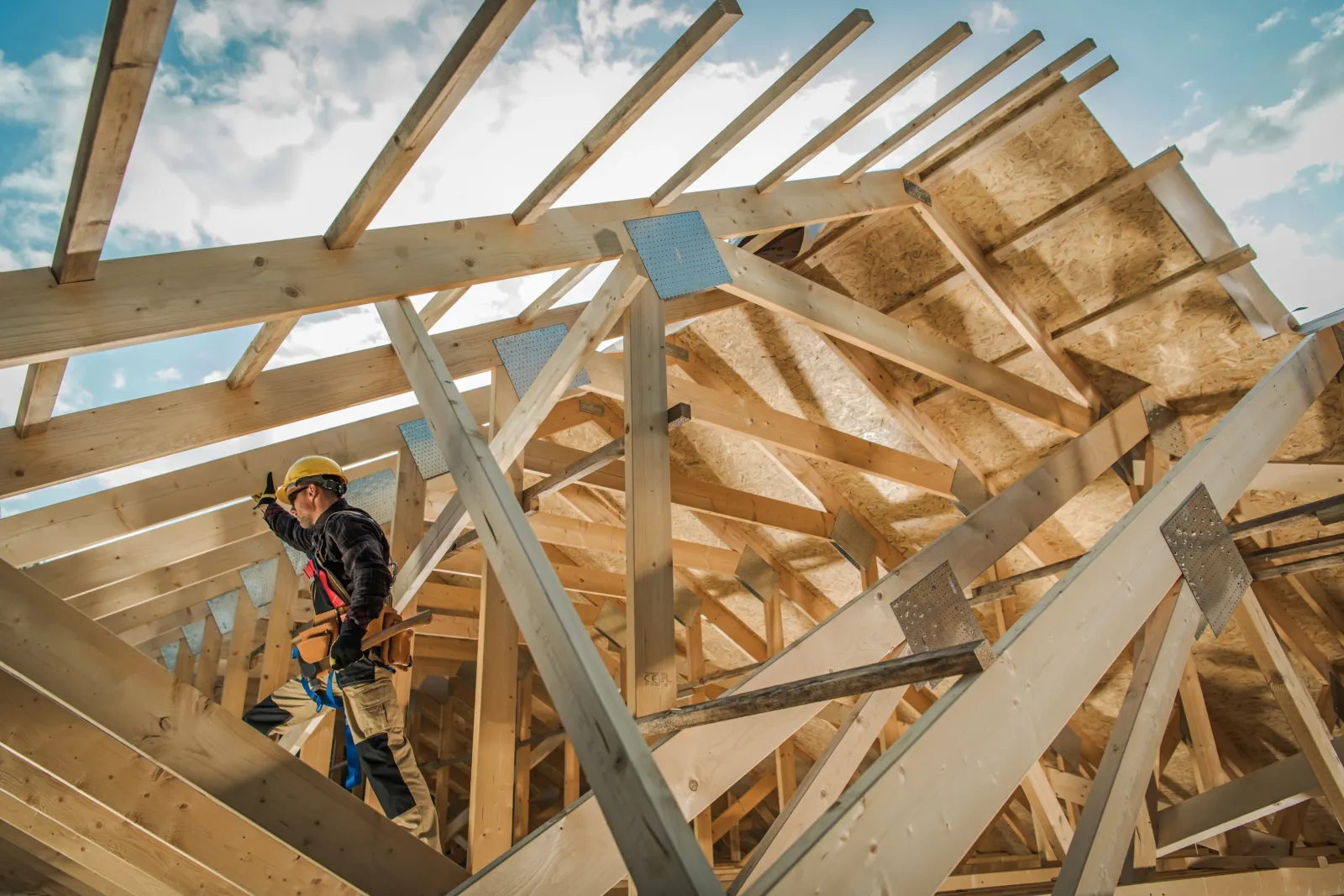
As your business grows, you’ll need construction software that can scale with your needs. Investing in a scalable platform now can save you time and effort down the road when your team, projects, or workflows expand. User-friendly systems like Projul offer flexible solutions that grow with your company, meaning you won’t have to constantly switch platforms as your needs change.
By keeping these factors in mind - features, training costs, integrations, support, and scalability - you can choose construction software that fits both your current needs and your long-term goals. Take time to evaluate your options carefully to ensure you get the best value for your investment.
Did you know? Tools with mobile compatibility ensure team members access critical data anytime, driving productivity from the office to job sites.
Why Some Software Costs More

Expensive software charges for features most contractors never use. Projul delivers 26+ construction-specific features at $4,788/year — saving 5,000+ contractors from overpaying for bloated enterprise platforms. However, smaller teams and businesses rarely use all these advanced capabilities. This can lead to wasted money and resources on tools they don’t need or use.
If your team only uses basic features while paying for a premium solution, it’s time to consider alternatives.
Mid-Tier Solutions: The Perfect Balance
Projul gives you the tools you need without unnecessary complexity or enterprise-level pricing. That’s why 5,000+ contractors use it, from 5-person crews to 1,000+ employee operations.
For example, Projul offers industry-specific tools like photo uploads to document progress, internal messaging to improve team communication, and schedule management to keep projects on track. These features are simple to use but effective enough to meet the needs of modern project managers.
A Smarter Choice for Teams
Choosing a flat-rate solution like Projul ensures you’re not overpaying for features you won’t use. Instead, you get practical, user-friendly tools that help your team work efficiently and stay organized. It’s a smarter investment that gives you exactly what you need to succeed.
Quick tip: Avoid overspending by examining how features align with your company’s operations. Overbuying can strain your overall budget without yielding significant productivity gains.
Consolidating Costs Into One System

Replacing multiple subscriptions with one platform saves money and eliminates data silos. Projul consolidates estimating, scheduling, invoicing, time tracking, and more into a single system — contractors save 2+ hours daily by not switching between apps. This all-in-one platform combines essential tools, so you no longer need to rely on multiple services to manage your business.
Key Features of Projul
With Projul, you get powerful features such as:
- Document management to organize project files and keep everything in one place.
- Cost tracking to monitor expenses, budgets, and profits with ease.
- User-friendly scheduling that makes managing timelines and deadlines simple.
It also eliminates the need for additional tools, like separate photo storage platforms, by providing built-in photo management for easy project documentation.
Why Choose a Single Project Management Platform?
By focusing on one platform, contractors can simplify daily processes, reduce mistakes, and keep projects running smoothly. Projul helps businesses save both time and money while delivering consistent, high-quality project results.
Related Reading
Learn more about mobile features in construction software in The Ultimate Guide to Construction Management Software.
Try a live demo and see how Projul simplifies this for your team.
FAQs
1. What pricing model works better for my team - per-user or flat rate?
Per-user pricing works well for small teams but can become limiting as your business scales. Flat-rate plans, like those offered by Projul at $4,788 per year with no per-user fees, often provide better scalability for contractors looking to manage costs effectively.
2. Do all tools include support?
Not all software solutions include comprehensive support services. Projul provides email support and live resources, ensuring you’re never stuck troubleshooting issues on your own.
3. What’s the biggest hidden construction software cost?
Hidden costs often arise from additional subscriptions for photo or document management, onboarding fees, or technical support. Projul cuts down on these by including essential tools like photo storage, internal messaging, and project tracking without extra fees.
4. How do I decide which all-in-one solution fits my business best?
You should evaluate your projects, team size, and unique needs before making a decision. Tools like Projul are designed for construction businesses that want real project management without paying enterprise prices or dealing with enterprise complexity.
5. Does the software work for remote teams?
For teams working in the field or remotely, mobile app functionality is crucial. Projul’s mobile app ensures your team can manage tasks, track progress, and stay connected no matter where they are.
6. How important is integration with other tools or existing systems?
Integration with existing tools like scheduling, time tracking, and accounting software can save time and reduce manual work. Projul supports integrations that help contractors maintain a smooth workflow.
7. Why choose Projul?
Created by industry experts, Projul combines advanced features with practical pricing, making it an ideal choice for contractors who want enterprise-grade features at transparent pricing. Its intuitive interface, mobile app accessibility, and full-featured toolset simplify project management and drive measurable productivity gains.
Related Reading
Understand the impact of a mobile app on project success in Why a Great Mobile App Matters in Construction Management Software.
Cost Versus Value - What’s Best for Your Team?
Finding the right construction management software isn’t just about price; it’s about value and practicality. Whether you’re working on smaller residential builds or managing commercial projects, the best solution improves success without straining resources.
For teams seeking construction software that’s cost-effective, scalable, and comprehensive, Projul checks all the boxes. Take the next step to simplify your operations today. Users see an average 32% profit increase from better project visibility.
Frequently Asked Questions
How much does construction management software cost per month?
Why do most construction software companies charge per user?
Is free construction management software worth it?
What hidden costs should I watch for in construction software?
Does construction management software save money in the long run?
Related Articles
Construction Pile Driving and Deep Foundation Methods Guide
A contractor's guide to pile driving and deep foundation methods. Covers driven piles, drilled shafts, auger cast...
Read More →
Design-Build vs Design-Bid-Build: Which Delivery Method Is Right for Your Project
Design-build and design-bid-build are the two most common ways to deliver a construction project. Picking the wrong one...
Read More →
Construction Document Management: Stop Losing Plans, Contracts, and Change Orders
Losing documents on a construction project costs more than you think. Missed change orders, unsigned contracts sitting...
Read More →