
Millwork & Cabinet Installation Guide for General Contractors | Projul
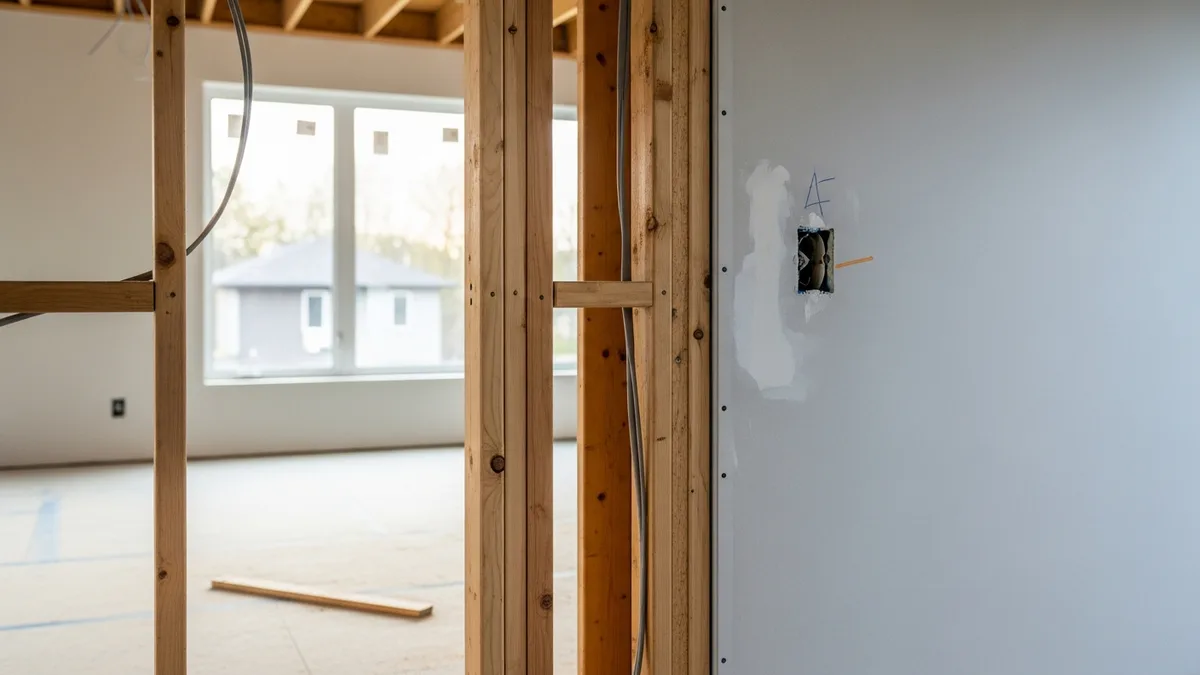
Why Millwork and Cabinets Deserve Their Own Game Plan
If you have been running jobs long enough, you know that the finish carpentry phase is where projects either come together or fall apart. The framing, mechanical rough-ins, and drywall might go smooth as butter, but one cabinet order that shows up late or a millwork package that does not fit, and suddenly you are burning through your schedule buffer and fielding angry calls from the owner.
Millwork and cabinet installation sits at the intersection of just about every finish trade on the job. Your painters need to work around it. Your flooring crew needs to know what is going in first. Your plumber needs to set fixtures after the vanity is in place. Your electrician has to wire under-cabinet lighting and make sure outlet placements line up with the backsplash layout.
The point is, this is not a phase you can just hand off to a sub and forget about. As the GC, you are the one holding all the pieces together, and millwork coordination is where your project management skills really get tested.
This guide is written for GCs who are managing finish carpentry phases on residential and light commercial projects. We will cover the full arc from procurement and lead times through installation sequencing, trade coordination, quality control, and closeout. Whether you are building custom homes or running tenant improvement jobs, the fundamentals here apply.
One thing worth saying upfront: the margin for error during finish work is basically zero. Framing can be off by a quarter inch and nobody notices. Cabinets that are a quarter inch off? Everyone notices. That is the reality of this phase, and it is why planning matters more here than almost anywhere else on the job.
Procurement and Lead Times: Start Earlier Than You Think
The single biggest mistake GCs make with millwork and cabinets is not ordering early enough. Custom cabinetry can take 8 to 14 weeks from order to delivery. Semi-custom lines run 4 to 8 weeks. Even stock cabinets, which used to be a quick grab from the local supplier, can take a few weeks depending on what is in the warehouse.
And those are the normal timelines. Throw in a supply chain hiccup, a discontinued finish, or a design change from the architect, and you are looking at real schedule pain.
Here is what a solid procurement process looks like for millwork and cabinets:
Get final designs locked early. Cabinet layouts, door styles, finish selections, hardware specs, and appliance dimensions all need to be nailed down before you place the order. A change order on cabinets after production starts is expensive and slow. Push your designers and owners to make final selections well before you need to order.
Confirm field dimensions before ordering. Never order cabinets off plan dimensions alone. Have your cabinet sub or supplier field-measure the space after framing is complete and drywall is hung. Walls are never perfectly straight or plumb, and your cabinet layout needs to account for that reality.
Build lead time into your schedule. When you are setting up your project schedule, work backward from your target install date. Add a week of buffer beyond the supplier’s quoted lead time. If they say 10 weeks, plan for 11. You will thank yourself when the delivery truck shows up a few days late, and your schedule is not wrecked.
Coordinate with your procurement process. Cabinets and millwork are usually the longest-lead finish items on a project. They should be one of the first things you price out during estimating and one of the first purchase orders you place once the project is awarded.
Get delivery logistics sorted early. Where is the delivery truck going to park? Can they get a lift gate close to the building entry? Do you need a staging area inside the building? For large cabinet orders, you might need multiple deliveries. Figure this out before the truck is on its way.
Track your orders actively. Do not just place the order and assume it will show up on time. Check in with your supplier at regular intervals. Get shipping confirmations. Know the tracking number. If there is a delay, you want to find out weeks in advance, not the day before install.
Sequencing the Finish Carpentry Phase
Getting the order of operations right during finish work is critical. Millwork and cabinets do not exist in isolation. They need to fit into a carefully planned sequence with every other finish trade on the job.
Here is the general sequencing that works on most residential and light commercial projects:
Step 1: Drywall complete, primed. Before cabinets go in, your drywall needs to be hung, taped, mudded, sanded, and primed. Some GCs skip the prime coat before cabinets, but applying primer first gives you a cleaner surface to scribe cabinets against and protects the drywall during installation. Check out our drywall guide for more on getting that phase dialed in.
Step 2: In-wall blocking verified. If your cabinets are wall-hung (uppers, floating vanities, wall-mounted millwork), make sure your blocking is in the right location and solid enough to carry the load. This should have been done during framing, but verify it now before you start hanging heavy boxes on the wall.
Step 3: Cabinet installation. Base cabinets go in first, then uppers. Your install crew should be working off a detailed layout that shows every cabinet, filler, and panel location. They need to shim and level everything precisely, because countertops are getting templated off these cabinets.
Step 4: Countertop template and fabrication. Once base cabinets are set, your countertop fabricator comes in to template. This is another lead time item, as stone and solid surface countertops usually take 1 to 3 weeks from template to install.
Step 5: Countertop installation. After the tops are in, your plumber can set sinks and faucets, and your electrician can finish any countertop-level outlets or under-cabinet wiring.
Step 6: Trim and millwork. Base molding, crown molding, door and window casing, built-in shelving, wainscoting, and any other millwork goes in around this same time. Coordinate with your painting schedule because some GCs prefer to install trim before final paint, while others have painters cut in after trim is set.
Step 7: Final paint and touch-up. Painters come through for final coats, caulk trim joints, and touch up any scuffs or damage from the cabinet and trim install.
Step 8: Flooring. On most jobs, finish flooring goes in after cabinets and trim are complete. This protects the finished floor from installation traffic and allows flooring to be scribed neatly to cabinets and trim.
Step 9: Hardware and accessories. Cabinet pulls, knobs, towel bars, toilet paper holders, closet systems, and all the small pieces that make the space feel finished.
This sequence is not set in stone. Every project has its own quirks, and you might need to adjust based on material availability, sub schedules, or owner preferences. The key is having a clear plan that every sub understands before finish work begins.
Coordinating Trades Around the Install
The finish phase is when your job site gets crowded. You have got cabinet installers, trim carpenters, painters, flooring crews, plumbers, and electricians all trying to work in the same spaces during the same week. As the GC, trade coordination during this phase is one of your most important jobs.
Contractors across the country trust Projul to run their businesses. Read their reviews.
Here is how to keep things moving without creating chaos:
Hold a pre-finish meeting. Before any finish work starts, get all your finish trade subs together for a coordination meeting. Walk the job, review the schedule, and talk through sequencing. Make sure everyone knows who is working where and when. This 30-minute meeting will save you hours of conflict resolution later.
Stagger your trades by zone. On larger projects, you can have multiple trades working simultaneously if they are in different areas. Your cabinet crew can be setting kitchens on the second floor while your trim carpenter works on first-floor common areas. Just make sure they are not stepping on each other.
Protect installed work. Once cabinets are in, they need to be protected. Lay cardboard or moving blankets over countertops. Tape corner guards on exposed cabinet edges. Make it clear to every trade on site that damage to installed cabinets comes out of someone’s pocket. This is a quality control issue that is much cheaper to prevent than to fix.
Keep the site clean. Dust is the enemy during finish work. Your cabinet installer does not want drywall dust settling on freshly finished surfaces, and your painter does not want sawdust from trim cuts landing on wet paint. Designate cutting areas away from finished spaces. Run dust collection. Clean up daily.
Communicate schedule changes immediately. When something slips (and something always slips), let every affected trade know right away. If your cabinet delivery is delayed by a week, your countertop fabricator, plumber, and painter all need to know. Do not wait until the last minute to break bad news.
Document everything. Take photos daily during the finish phase. Before and after each trade works in a space, document the condition. When damage disputes come up (and they will), photos are your best friend. Timestamped job site photos have saved more arguments than any contract clause.
Common Millwork and Cabinet Problems (and How to Avoid Them)
After enough projects, you start to see the same problems show up over and over. Here are the ones that bite GCs most often during millwork and cabinet phases:
Cabinets that do not fit the space. This happens when someone orders off plan dimensions instead of field measurements. Walls are never perfectly square, and plan dimensions do not account for drywall thickness variations, out-of-plumb walls, or floor level changes. Always field-measure after drywall before placing cabinet orders.
Wrong finish or style delivered. Check your order confirmations carefully against the approved selections. When the delivery shows up, inspect every piece against the packing list and the approved samples before your crew starts ripping open boxes. Catching a wrong door style before installation saves you weeks versus finding it after everything is hung.
Damaged goods on delivery. Inspect cabinets immediately upon delivery. Open every box if possible. Document any damage with photos and note it on the delivery receipt. Do not sign for damaged goods without noting the damage. File claims with the supplier immediately.
Out-of-level installation. Cabinets that are not level and plumb look terrible and cause functional problems. Doors will not close properly, drawers will not slide right, and countertops will not sit flat. Your install crew needs to take the time to shim and level everything correctly, even if the floor and walls are not cooperating.
Scribe gaps and filler issues. Where cabinets meet walls, there are almost always gaps that need to be scribed or filled. A good cabinet installer knows how to handle this, but it takes time. Make sure your schedule accounts for scribing and filler work, not just box installation.
Damage from other trades after installation. This is one of the most frustrating problems on a job site. Your cabinet installer does beautiful work, then the plumber gouges a cabinet face connecting the disposal, or the painter drips stain on a finished countertop. Clear communication about protection expectations and documented pre-existing conditions help manage this.
Appliance fit issues. Refrigerators, dishwashers, ranges, and microwaves all need specific rough openings. If your cabinet layout does not match the actual appliance dimensions (not just the specs on paper, but the real measurements including handles, hinges, and doors that need to swing open), you are going to have problems at the very end of the project when appliances are being set.
Moisture damage. In kitchens and bathrooms, cabinets are exposed to moisture. Make sure your plumber has all water supply and drain connections tight before you close up the cabinet toe kicks. A slow leak under a kitchen sink will destroy base cabinets in weeks. Consider moisture-resistant materials for bathroom vanity cabinets.
Managing Your Millwork Subs and Suppliers
Your relationship with your cabinet installer and millwork sub is one of the most important trade relationships on a finish project. These are skilled craftspeople, and the quality of their work is directly visible to the owner every single day after move-in.
Here is how to get the most out of those relationships:
Hire for skill, not just price. Finish carpentry is precision work. The difference between a good trim carpenter and an average one is visible from across the room. When you are evaluating cabinet installers and trim subs, look at their past work. Ask for references from other GCs. A crew that costs 15% more but delivers clean, tight work will save you money on punch list and callbacks.
Write clear scopes of work. Your subcontract for cabinet installation should spell out exactly what is included. Does the sub provide shims and fasteners, or do you? Who is responsible for moving cabinets from the staging area to the install location? Does the scope include hardware installation? What about appliance panel installation? What about touch-up after the plumber and electrician have been through? The more specific your scope, the fewer disputes you will have.
Set expectations for site conditions. Let your cabinet sub know what the site will look like when they arrive. Will there be power? Heat or AC? Is the space broom-clean? Are walls primed? Is blocking in place? Setting these expectations upfront prevents your sub from showing up to a job site that is not ready for them.
Schedule adequate time. A kitchen cabinet install is not a one-day job. A typical residential kitchen takes 2 to 3 days for base and upper cabinets, plus additional time for fillers, panels, and hardware. Large kitchens, butler’s pantries, and full-house millwork packages can take a week or more. Do not compress your cabinet install schedule just because you are running behind on earlier phases.
Pay on time. This sounds basic, but it matters. Good finish subs are in high demand. If you develop a reputation for slow payment, the best crews will stop taking your calls. Process their pay apps promptly and do not hold retention longer than necessary.
Maintain a feedback loop. After each project, talk to your cabinet sub about what went well and what could have been better. Was the site ready when they showed up? Did they have the information they needed? Were there design issues they had to work around? This kind of debrief makes every future project run smoother.
Closeout and Punch List for Millwork and Cabinets
The closeout phase is where you make sure everything meets the standard before you hand the space over to the owner. For millwork and cabinets, this means a detailed walkthrough looking at every door, drawer, panel, and trim piece.
Walk every cabinet. Open every door and drawer. Check that doors close flush and aligned. Test soft-close mechanisms. Look for scratches, dents, or finish defects on face frames and door fronts. Check that hardware is installed consistently (same height, same projection, tight to the surface).
Inspect all trim and millwork. Look at every joint. Crown molding miters should be tight with no visible gaps. Base molding should follow the floor line without waving. Casing should be consistent around every door and window. Nail holes should be filled and sanded. Caulk joints should be smooth and consistent.
Check scribe lines. Where cabinets or millwork meet walls, ceilings, or floors, the scribe lines should be tight and clean. Gaps larger than about 1/16 of an inch are visible and should be addressed with caulk, scribing, or filler strips.
Verify appliance fitment. Before you close out the kitchen, make sure every appliance fits in its designated space. Open the refrigerator doors, run the dishwasher door through its full range, and check that the range slides in and out without catching on the cabinet sides.
Create a detailed punch list. When you find issues (and you will find issues), document them with specific descriptions and photos. “Fix cabinet” is not a useful punch list item. “Kitchen base cabinet B3, left door not closing flush, hinge adjustment needed” tells your sub exactly what to do and where.
Schedule punch list work efficiently. Group all cabinet and millwork punch items together so your sub can knock them out in one trip. If you are sending them back three or four times for one item at a time, you are wasting their time and yours. A well-organized punch list visit should handle everything in a single day for most residential projects.
Get owner sign-off. Walk the finished millwork and cabinets with the owner before you release your sub’s final payment. Let them open doors, pull drawers, and look at the finish quality. Address any concerns on the spot if possible. Owner sign-off on the finish carpentry phase is a milestone that protects both you and your sub.
The finish carpentry phase is demanding, but it is also where your project transforms from a construction site into a finished space. Getting the millwork and cabinet coordination right takes planning, communication, and attention to detail. If you want to tighten up how you manage scheduling and coordination across all your finish trades, take a look at what Projul can do for your operation. It is built by contractors, for contractors, and it handles the kind of multi-trade scheduling that makes finish phases run without the headaches.
Ready to stop guessing and start managing? Schedule a demo to see Projul in action.
Frequently Asked Questions
How far in advance should I order custom cabinets for a construction project?
What trades need to finish before cabinet installation can start?
Who is responsible for cabinet damage during installation?
Should flooring go in before or after cabinets?
How do I handle millwork that arrives damaged or out of spec?
Related Articles

Construction Septic System Installation: What Every GC Needs to Know
Septic systems on rural builds bring unique scheduling, permitting, and soil challenges that can wreck your timeline if...
Read More →
Construction Painting Project Management: Coordinating Interior and Exterior Phases
Painting is one of those trades that touches every other trade on the schedule. Get the sequencing wrong, and you're...
Read More →
Epoxy Flooring and Industrial Coatings: A Contractor's Complete Guide
Epoxy flooring and industrial coatings are high-margin work when you get the process right and a fast way to lose money...
Read More →