Construction Open House & Job Site Tour Events: A Contractor's Guide | Projul
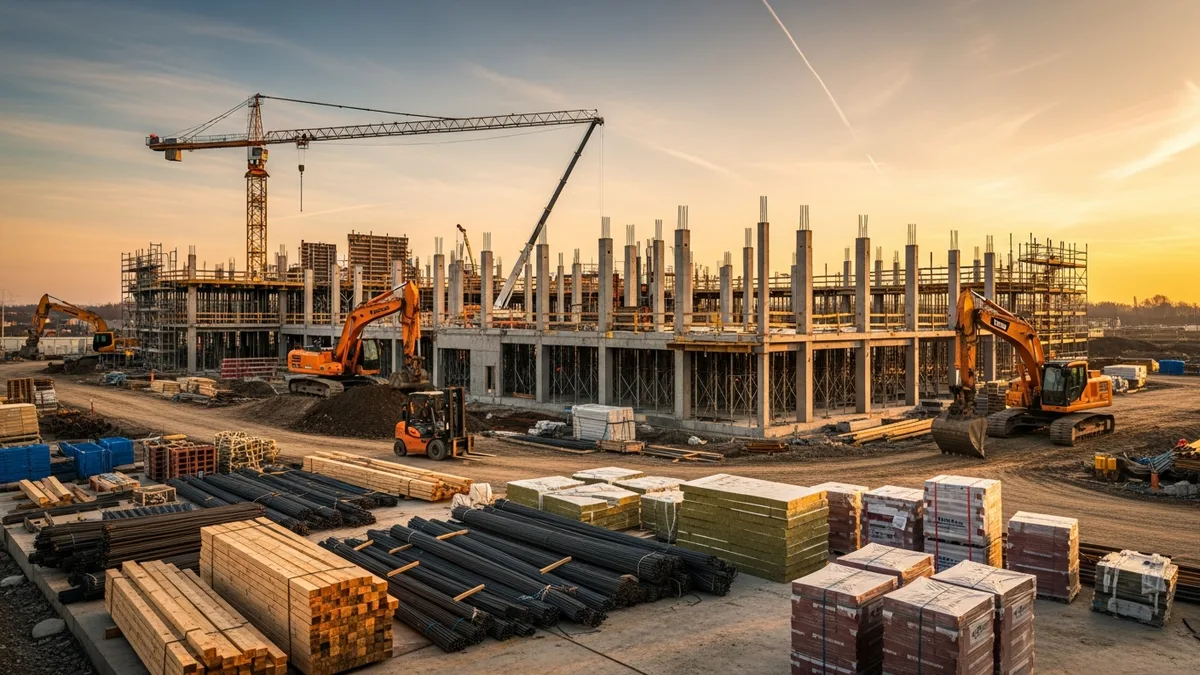
There’s a moment during every good open house when you see it click for someone. They’re standing in the middle of a framed-out great room, looking up at the trusses, and they suddenly get it. They understand what you do in a way that no website photo or brochure could ever communicate. That moment is worth more than a thousand dollars in advertising.
If you’ve never hosted an open house or job site tour for your construction company, you’re leaving one of the most powerful marketing tools on the table. And if you have hosted one but it felt disorganized or didn’t generate results, you probably just need a better game plan.
This guide walks through everything: why these events work, who to invite, how to plan them, and what to do after the last guest leaves.
Why Open Houses Work Better Than Most Marketing for Contractors
Construction is a trust business. Homeowners hand over tens or hundreds of thousands of dollars and hope you’ll deliver what you promised. That’s a big ask, and most of your competitors are making the same promises on their websites and in their proposals.
An open house or job site tour breaks through that noise because it puts your work front and center. Visitors get to touch the materials, see the quality of your framing or finish carpentry, and ask questions face to face. They see how your crew operates, how clean you keep a site, and how you interact with subcontractors and clients. All of that builds trust faster than any sales pitch.
There’s a psychological principle at work here, too. When people physically walk through a space you’re building, they start imagining their own project. They picture themselves living in that kitchen or working in that office. That kind of emotional engagement doesn’t happen when someone scrolls through your Instagram feed at 11 p.m.
Open houses also give you a reason to reach out to people who might not respond to a cold call or a digital ad. A personal invitation to an event feels different from a sales email. It’s lower pressure and higher value for the recipient.
If you’re looking for more ways to get in front of potential clients without spending a fortune, check out our guide on construction marketing on a tight budget for ideas that pair well with event-based marketing.
Picking the Right Project and the Right Timing
Not every job site makes a good open house venue. You want a project that tells a story and shows off the kind of work you want to attract more of. If you’re trying to land more custom home projects, tour a custom home. If outdoor living is your bread and butter, showcase a killer patio and pool build.
Project stage matters. The ideal window is when a project is about 60 to 80 percent complete. At this stage, visitors can see finished elements like flooring, cabinetry, or stonework alongside the bones of the building. Exposed framing, mechanical systems, and structural details are fascinating to most people. They rarely get to see what goes behind the drywall, and showing it off demonstrates the quality you put into parts of the build that will eventually be hidden.
Timing your event. Weekday evenings (think 4 to 7 p.m.) and Saturday mornings work best for mixed audiences of professionals and homeowners. Avoid holiday weekends and peak vacation months. Late spring and early fall tend to draw the best turnout because the weather cooperates and people are actively thinking about building projects.
Get your client’s blessing. This goes without saying, but you need full buy-in from the homeowner or property owner. Some clients love the attention and want to be part of the event. Others prefer you host it on a day they won’t be around. Either way, put the agreement in writing and be clear about what areas will be accessible, how long the event will last, and how you’ll restore the site afterward.
Safety first. An active job site has hazards that most people aren’t used to handling. Walk the site beforehand and rope off any areas that aren’t safe for visitors. Provide hard hats if the site warrants them. Post signage. And make sure your insurance covers public visitors on site.
Who to Invite and How to Fill the Room
The guest list is where most contractors either go too narrow or too broad. You want a targeted mix of three groups: potential clients, referral partners, and community members.
Potential Clients
These are homeowners or business owners who fit your ideal customer profile. Maybe they live in the neighborhoods where you work, or they’ve inquired about a project but haven’t pulled the trigger yet. An open house invitation is a soft, low-pressure way to re-engage warm leads.
Pull contacts from your CRM and create a targeted invite list. If you don’t have a CRM set up yet, our construction CRM best practices guide can help you get started so you’re ready to capture and follow up with every contact from your event.
Realtors and Architects
This is where open houses really pay dividends. Real estate agents and architects are constantly asked by their clients, “Do you know a good builder?” If those professionals have walked your job site, met your team, and seen your work up close, you become their go-to recommendation.
Build a list of active agents in your market area and architects or designers whose style aligns with your work. Send personal invitations, not mass emails. A quick phone call followed by a digital invite goes a long way. If you already have relationships with some of these professionals, ask them to bring a colleague.
Not sure if Projul is the right fit? Hear from contractors who use it every day.
For more on building these professional relationships, take a look at our construction networking and referral guide. The strategies in that post pair perfectly with open house events.
Community and Local Business Owners
Don’t overlook the value of being known in your community. Invite local business owners, chamber of commerce members, and neighborhood association leaders. These folks talk, and when someone in their circle mentions wanting to build or remodel, your name comes up.
Getting the Word Out
Use a multi-channel approach for invitations:
- Personal calls and texts to your top 20 most-wanted contacts
- Email invitations with a clean design, event details, and an RSVP link
- Social media posts on your business pages with behind-the-scenes teaser photos
- Printed invitations or postcards mailed to targeted neighborhoods (old school, but effective)
- Partner amplification where your realtor and architect contacts share the invite with their networks
Our construction social media marketing guide has tips on creating event content that actually gets engagement and shares.
Planning the Event: Logistics That Make You Look Professional
A poorly organized event does more harm than good. If guests show up to a chaotic site with no clear flow, lukewarm coffee, and nobody to greet them, you’ve just demonstrated exactly how you’d run their project. Details matter.
The Week Before
- Clean the site. This means more than picking up trash. Organize material storage, sweep floors, and make sure the areas you’re showcasing look sharp.
- Create a walking path. Map out a logical route through the project with numbered stations or printed signs. Visitors should flow naturally from one area to the next.
- Assign team roles. Designate greeters at the entrance, guides at key stations, and someone to collect contact information. Your best communicators should be the ones talking to guests, not hiding in the back.
- Prepare talking points. At each station, have a team member ready to explain what visitors are seeing. Talk about the materials you chose and why, the techniques you used, and the problems you solved. People love hearing the “why” behind construction decisions.
- Set up refreshments. Keep it simple but quality. Coffee, water, light snacks. If it’s an evening event, consider partnering with a local restaurant or caterer. Supporting local businesses earns goodwill and gives you a catering partner who might refer clients your way.
- Print materials. Have business cards, brochures, and a one-page overview of your company’s services ready. Include a QR code that links to your website or a landing page where visitors can request an estimate.
Day of the Event
- Arrive early. Walk the entire site one more time. Check signage, test any AV equipment, confirm refreshments are set up, and brief your team.
- Photograph everything. Hire a photographer or assign someone with a good eye to document the event. These photos become social media content, website material, and follow-up assets.
- Collect contact information from every guest. Use a sign-in sheet, a tablet with a digital form, or even a fishbowl business card drop with a prize drawing. The goal is to leave the event with a way to contact every person who walked through the door.
- Be present and approachable. Don’t spend the whole event in one corner talking to your buddy. Work the room. Introduce yourself to people you don’t know. Ask what kind of project they’re thinking about. Listen more than you talk.
Making It Memorable
Consider adding elements that set your event apart:
- Before-and-after displays showing project progress from demo day to current state
- Material samples visitors can touch and compare (countertop slabs, flooring options, hardware finishes)
- A short presentation or Q&A session where you walk through the design and build process for the featured project
- A kids’ area if you’re inviting families (a simple craft table goes a long way toward keeping parents relaxed and engaged)
- A raffle or giveaway tied to your services, like a free design consultation or a gift card to a home improvement store
Building Relationships With Realtors and Architects at the Event
Getting realtors and architects to show up is only half the battle. What you do during the event determines whether they become a consistent source of referrals.
Speak their language. Realtors care about resale value, timeline, and how the finished product will show. Architects care about design intent, material quality, and whether you can execute their vision faithfully. Tailor your conversations to what matters to each group.
Introduce them to your process. Walk them through how you manage a project from estimate to completion. Show them your scheduling system, your communication tools, and how you handle change orders. Professionals refer builders they trust, and trust comes from seeing that you have systems in place.
If you want to talk about how you manage client communication during a build, our construction client communication guide covers the practices that keep clients happy and informed.
Create a VIP experience. Consider hosting a separate 30-minute session before or after the main event just for professionals. Serve better refreshments, provide a deeper technical walkthrough, and have a candid conversation about how you can support each other’s businesses. This exclusivity makes them feel valued and sets the stage for a real partnership.
Ask for the referral directly. Don’t be shy about it. After you’ve built rapport and shown your work, say something like, “We’re always looking to work with great agents and designers. If any of your clients are thinking about building, I’d love to be a resource.” Simple, direct, and respectful.
Offer reciprocal value. Tell realtors you’ll recommend them to your clients who need to sell a home before building. Tell architects you’ll bring them into conversations with clients who need design help. Referrals are a two-way street, and the contractors who give referrals tend to get the most back.
For a deeper dive into building a referral engine for your business, read our construction referral program guide.
Following Up After the Event: Where the Real Money Is Made
Here’s the truth that most contractors miss: the event itself isn’t where you close deals. It’s the follow-up. An open house generates awareness, interest, and goodwill. But if you don’t follow up quickly and intentionally, all of that evaporates within a week.
The 48-Hour Window
Within two days of the event, every attendee should receive a personal follow-up. Not a generic blast email. A personal message that references something specific about your conversation or their interest.
For homeowner attendees: “Hey Sarah, it was great meeting you at the open house on Saturday. You mentioned you’re thinking about a kitchen remodel this summer. I’d love to set up a time to walk through your space and talk about what’s possible. Here’s a link to schedule a consultation.”
For professional attendees: “David, thanks for coming out to the Elm Street tour. I really enjoyed our conversation about the custom trim details in the primary suite. If you have any clients looking at new construction or major remodels, I’d be glad to be a resource. Let’s grab coffee next week.”
Adding Contacts to Your CRM
Every single contact from the event should go into your CRM with notes about the conversation, their project interest, and their timeline. Tag them as “open house lead” or similar so you can track how many deals originate from events over time.
Set up follow-up reminders. A second touch at two weeks, another at 30 days, and a quarterly check-in for contacts who aren’t ready to move yet. The contractor who stays in touch without being pushy wins the project when the timing is right.
Sharing Event Content
Within a week of the event, publish a recap on your social media channels and website. Include photos, highlights, and a thank-you to attendees. Tag any businesses or professionals who attended (with their permission). This extends the reach of your event far beyond the people who actually showed up.
Send a follow-up email to attendees that includes:
- A few of the best photos from the event
- A recap of any key topics discussed during presentations or Q&A
- Links to relevant content on your website (like your portfolio page or blog posts about the type of project you showcased)
- A clear call to action: schedule a consultation, request an estimate, or connect on social media
Measuring Results
Track the return on your open house investment. Keep a simple spreadsheet or use your CRM to log:
- Total number of attendees
- New contacts acquired
- Consultations booked within 30, 60, and 90 days
- Proposals sent to event contacts
- Jobs sold to event contacts
- Total revenue from event-sourced leads
Over time, this data tells you exactly what your events are worth and helps you make smart decisions about frequency, budget, and format for future events.
Planning the Next One
The best time to start planning your next open house is right after the current one ends. While the lessons are fresh, debrief with your team. What worked? What fell flat? What would you do differently? Write it down so you’re not starting from scratch next time.
Build open houses into your annual marketing calendar. Two to four events per year is a realistic cadence for most small to mid-size contractors. Vary the project type and location to reach different segments of your market.
Putting It All Together
Open houses and job site tours aren’t complicated, but they do require intention and follow-through. The contractors who treat these events as a core part of their marketing strategy, not a one-off experiment, are the ones who build a steady pipeline of high-quality leads and referral relationships that pay off for years.
Start with your next project that’s approaching the 60 to 80 percent completion mark. Talk to your client about hosting a tour. Build a guest list that mixes potential clients with realtors, architects, and community contacts. Plan the logistics carefully. Show up, be yourself, and let your work speak.
Then follow up like your business depends on it, because it does.
Curious how this looks in practice? Schedule a demo and we will show you.
The best construction companies aren’t just good at building. They’re good at showing people what they build. An open house is the simplest, most effective way to do exactly that.
Frequently Asked Questions
How often should a construction company host open house events?
What type of construction project works best for a job site tour?
Do I need insurance coverage for an open house event on a job site?
How do I invite realtors and architects to my construction open house?
What is the best way to follow up after a construction open house event?
Related Articles

BIM Clash Detection: How to Catch Conflicts Before They Cost You on the Jobsite
BIM Clash Detection: How to Catch Conflicts Before They Cost You on the Jobsite Every contractor has a story about the...
Read More →
Asphalt Paving and Compaction Guide: Mix Types, Laydown Temperatures, and Quality Testing
Asphalt paving looks straightforward from a distance. A truck dumps material, the paver lays it down, and rollers...
Read More →
Construction Jobsite Wi-Fi & Connectivity Guide: Setting Up Reliable Internet in the Field
A practical guide to getting reliable internet on construction job sites. Learn about cellular hotspots, mesh networks,...
Read More →