
Construction Safety Inspection Checklist | Projul
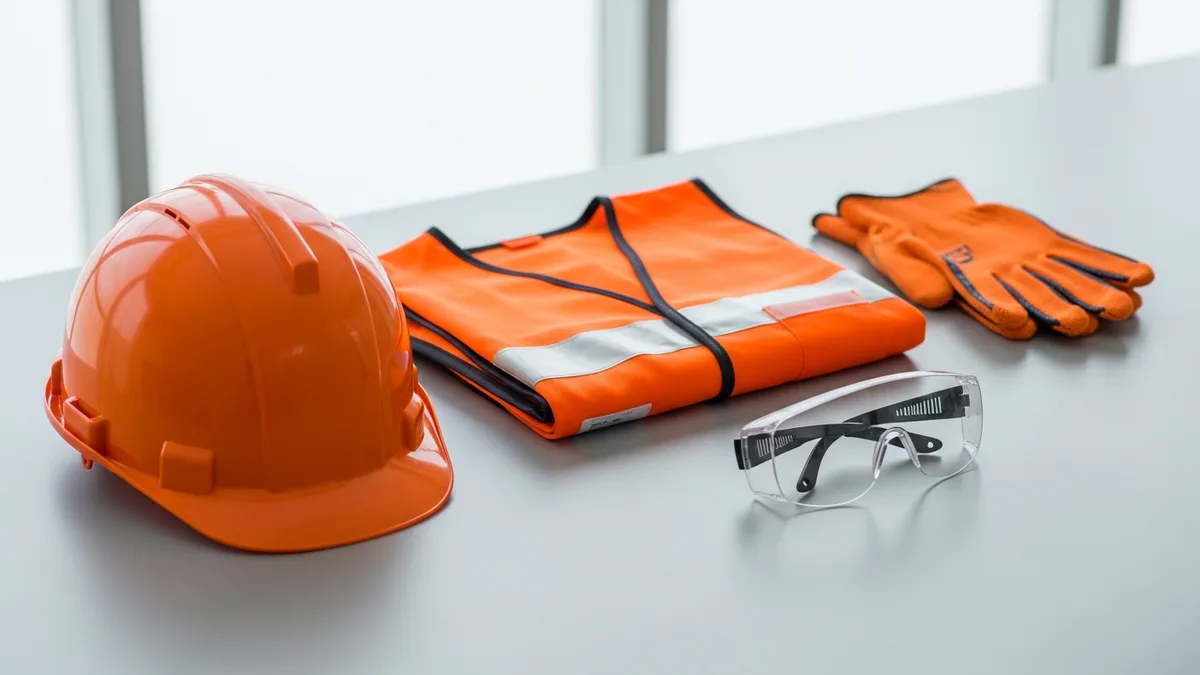
Every contractor knows the drill. You show up to a jobsite, spot a missing guardrail or a frayed sling, and fix it before someone gets hurt. That instinct is the foundation of every good safety inspection. But instinct alone is not enough. Without a repeatable process and a written checklist, things get missed. And on a construction site, missed hazards send people to the hospital.
This guide breaks down the complete safety inspection process, from preparation through corrective action, with a detailed checklist you can put to work on your next project. Whether you run a five-person crew or manage multiple jobsites, the goal is the same: find hazards before they find your workers.
Why Safety Inspections Actually Matter
Let’s skip the corporate safety speech. Here is the reality: construction is the most dangerous industry in the country. The Bureau of Labor Statistics consistently ranks it at the top for fatal workplace injuries. OSHA’s “Fatal Four” (falls, struck-by, electrocution, and caught-in/between) account for more than half of all construction deaths every year.
Safety inspections are the single most effective way to catch these hazards before someone gets hurt. A guardrail that is missing today becomes a fall tomorrow. A trench without shoring becomes a collapse next week. Inspections force you to look at your site with fresh eyes and address problems while they are still just problems, not incidents.
There is also the business side. An OSHA citation for a serious violation starts at over $16,000 per instance. Willful violations can hit $163,000 or more. Workers’ comp claims spike your experience modification rate (EMR), which drives up your insurance premiums for years. One bad incident can cost you six figures and knock you out of the running for future bids.
If you do not already have a written construction safety plan, start there. A safety plan is the framework. Inspections are how you verify that framework is actually working in the field.
Preparing for a Safety Inspection
A good inspection starts before you ever set foot on the jobsite. Walking around without a plan leads to inconsistent results. You will catch the obvious stuff but miss the details that cause real injuries.
Know Your Standards
Before inspecting, know what you are inspecting against. At minimum, familiarize yourself with:
- OSHA 29 CFR 1926 (Construction Industry Standards): the federal baseline for construction safety
- State OSHA plans: if your state runs its own program (like Cal/OSHA), those rules often exceed federal requirements
- Project-specific safety requirements: many general contractors and owners have safety specs in the contract that go beyond OSHA
- Manufacturer instructions: equipment like scaffolding, cranes, and fall protection systems all have specific inspection requirements from the manufacturer
Gather Your Tools
You do not need much, but you do need:
- A printed or digital checklist (covered in the next section)
- A camera or phone for photos
- A notepad or tablet for recording findings
- PPE appropriate for the site (hard hat, safety glasses, high-vis vest, steel toes)
- A measuring tape (for verifying guardrail heights, trench depths, clearances)
- Any relevant permits or plans for reference (excavation permits, hot work permits, crane lift plans)
Review Recent History
Before you walk the site, check the previous inspection reports. Look for repeat findings, open corrective actions, and any areas that were flagged but not yet addressed. Also review recent daily logs for notes about incidents, near-misses, or changes in work activities. If crews started new tasks since the last inspection, those areas deserve extra attention.
The Complete Safety Inspection Checklist
This checklist covers the major hazard categories on a typical construction site. Adapt it to your specific project. A residential remodel will not need a crane inspection section, and a highway project will not need interior fire protection checks. Use what applies and skip what does not.
Housekeeping and General Conditions
- Work areas clean and free of debris, scrap, and trip hazards
- Walking surfaces clear and in good condition
- Adequate lighting in all work areas
- Trash and waste removed regularly
- Material storage areas organized and stable
- Proper signage posted (PPE requirements, hazard warnings, emergency contacts)
- First aid kits stocked and accessible
- Fire extinguishers present, inspected, and accessible
- Emergency exits and evacuation routes clear and marked
- Sanitation facilities (toilets, handwash stations) clean and stocked
Fall Protection
- Guardrails installed at all open edges above 6 feet
- Guardrails meet height requirements (42 inches top rail, 21 inches mid rail)
- Floor openings covered or guarded
- Covers labeled “HOLE” or “COVER” and secured against displacement
- Personal fall arrest systems (harnesses, lanyards) inspected and in good condition
- Anchor points rated for 5,000 pounds per person
- Safety nets installed where required
- Ladders in good condition, secured at top, and extending 3 feet above landing
- Stairways with proper handrails
- Workers trained on fall protection requirements for their specific tasks
Scaffolding
- Erected on firm, level footing with base plates and mudsills
- Fully planked with no gaps greater than 1 inch
- Guardrails on all open sides above 10 feet
- Access ladders or stairways provided
- No damaged or bent components
- Competent person inspection tag current
- No overloading beyond rated capacity
- Minimum 10 feet clearance from power lines (or de-energized)
Electrical Safety
- GFCI protection on all temporary power outlets
- Extension cords in good condition (no cuts, splices, or missing ground prongs)
- Temporary wiring properly installed and protected from damage
- Electrical panels accessible with 3-foot clearance maintained
- Lockout/tagout procedures followed for energized equipment
- Proper clearance from overhead power lines for all equipment and materials
- All electrical tools and equipment properly grounded or double-insulated
Excavation and Trenching
- Competent person on site during all excavation work
- Soil classified before determining protective system
- Protective system (sloping, shoring, or shielding) in place for trenches 5 feet or deeper
- Spoil piles set back at least 2 feet from trench edge
- Means of egress (ladder, ramp, stairway) within 25 feet of travel in trenches 4 feet or deeper
- Underground utilities located and marked before digging
- Daily inspections before each shift and after rain events
- Atmospheric testing in trenches deeper than 4 feet where hazardous atmosphere could exist
- No heavy equipment operating near trench edges without adequate setback
Crane and Heavy Equipment
- Pre-operation inspections completed and documented
- Operator certification current and on file
- Signal person designated and qualified
- Outriggers fully extended and on solid ground
- Load charts available and being followed
- Swing radius barricaded
- No loads over workers
- For detailed crane safety requirements, check our crane safety guide
Personal Protective Equipment (PPE)
- Hard hats worn by all personnel in required areas
- Safety glasses or goggles worn during applicable tasks
- Hearing protection available and used in high-noise areas
- High-visibility vests worn where required
- Proper gloves for task (cut-resistant, chemical, welding)
- Respiratory protection used when required and fit-tested
- Steel-toed boots worn by all personnel
Fire Prevention
- Hot work permits issued and conditions met
- Fire watch assigned during and after hot work
- Flammable materials stored properly and away from ignition sources
- No smoking in prohibited areas
- Fire extinguishers within 100 feet of hot work and flammable storage
- Compressed gas cylinders stored upright, capped, and secured
Health Hazards
- Silica exposure controls in place (wet cutting, vacuum systems, RPE)
- Lead paint and asbestos identified and managed per regulations
- Noise monitoring conducted where exposure may exceed 85 dBA
- Hazard communication: SDS sheets available, containers labeled
- Adequate ventilation in enclosed spaces
- Confined space entry permits and procedures followed where required
Step-by-Step Inspection Process
Having a checklist is one thing. Running an effective inspection is another. Here is how to do it right.
Step 1: Plan Your Route
Do not just wander around. Map out a logical path through the site so you cover every work area. Start at the perimeter and work inward, or start at ground level and work up. Consistency matters because it prevents you from skipping areas.
Step 2: Observe Before You Interact
When you arrive at each area, stop and watch for a minute before talking to anyone. See how workers are actually performing tasks. Are they wearing PPE? Are they following procedures? You will learn more from watching than from asking.
Step 3: Document Everything
Every finding, good or bad, needs documentation. Take photos of hazards and include enough context to identify the location. Write clear descriptions: “Missing guardrail on east side of building, second floor, near column line B-4” is useful. “Guardrail missing” is not.
Using a tool that combines photo documentation with project records makes this process much faster. You take the photo, tag it, and it is already attached to the project file.
Step 4: Talk to the Crew
Ask workers about conditions in their area. They spend all day there, so they know where the problems are. Questions like “What concerns you about this area?” or “Have you had any close calls recently?” often surface hazards that a walkthrough alone would miss. These conversations also build a safety culture where workers feel comfortable speaking up. If your crews need a refresher, use your next safety meeting to talk about inspection findings and encourage reporting.
Step 5: Classify and Prioritize Findings
Not every finding is equally urgent. Use a simple classification system:
- Imminent danger: stop work immediately, remove workers, correct before anyone returns
- Serious hazard: correct within 24 hours, interim protection measures in place until fixed
- Other-than-serious: correct within one week, track to completion
- Recommendation: best practice improvement, schedule as resources allow
Step 6: Issue Corrective Actions
Not sure if Projul is the right fit? Hear from contractors who use it every day.
Every finding above the “recommendation” level needs a formal corrective action with three things: what needs to be fixed, who is responsible, and when it must be completed. Vague assignments like “fix the guardrail” do not work. Assign a specific person, give them a deadline, and follow up.
Step 7: Verify Corrections
An inspection is not complete until every corrective action is closed. Reinspect the specific conditions to confirm the fix is in place and adequate. Do not just take someone’s word for it. Go look.
Common Mistakes That Undermine Safety Inspections
Even experienced contractors fall into patterns that reduce the effectiveness of their inspections. Watch out for these:
Inspecting the same areas every time. If you always walk the same route and look at the same things, you develop blind spots. Vary your route. Inspect at different times of day. Show up during concrete pours, not just during quiet afternoons.
Failing to follow up on corrective actions. Writing up a finding means nothing if nobody fixes it. The fastest way to kill your safety program is to let corrective actions sit open for weeks. Workers notice when findings never get addressed, and they stop taking the process seriously.
Only inspecting for OSHA compliance. OSHA sets the minimum standard, not the target. A site can be technically OSHA-compliant and still have serious hazards. Look for conditions that could hurt someone, even if there is no specific OSHA regulation that covers it.
Skipping inspections when things are busy. This is when inspections matter most. High-activity periods mean more workers, more trades overlapping, more equipment moving, and more potential for something to go wrong. The busier the site, the more important the inspection.
Not involving workers in the process. Inspections should not feel like a gotcha exercise. When workers see inspections as punitive, they hide problems instead of reporting them. Involve crew leaders in the process. Ask for input. Make it clear that finding and fixing hazards is the goal, not writing people up. A solid training program helps set these expectations from day one.
Tracking and Documenting Inspection Results
Paper inspection forms work, but they create problems. They get lost, they are hard to search, and they make trend analysis nearly impossible. If you are still using paper, you are making more work for yourself.
Digital inspection records give you several advantages:
- Searchability: find any inspection, finding, or corrective action in seconds
- Photo integration: attach photos directly to findings instead of trying to match loose photos to paper notes later
- Trend analysis: spot recurring hazards across projects, time periods, or specific crews
- Accountability: timestamped records show exactly when findings were identified, assigned, and closed
- Audit readiness: when OSHA shows up or a client requests records, everything is organized and available immediately
Your inspection records should include, at minimum: the date and time, the inspector’s name, weather conditions, the areas inspected, all findings with photos, corrective actions assigned, and verification of corrections.
For contractors managing multiple jobsites, keeping inspection records tied to project schedules helps you see the full picture. You can cross-reference inspection findings with project phases and time tracking data to identify which activities consistently produce the most hazards.
If you want to understand how OSHA inspections work from the regulatory side and what to expect if a compliance officer shows up on your site, our OSHA compliance guide covers that process in detail.
Building a Safety Inspection Habit
The contractors with the best safety records are not the ones with the fanciest safety programs. They are the ones who do inspections consistently, document what they find, fix problems quickly, and never treat the process as optional.
Start with a weekly formal inspection using the checklist above. Add daily walkthroughs by supervisors for high-risk activities. Review findings at your weekly safety meetings. Track corrective action closure rates and hold people accountable for deadlines.
Over time, you will see patterns. Maybe fall protection findings spike every time a new framing crew starts. Maybe housekeeping deteriorates on Fridays. Those patterns tell you where to focus your training, your pre-task planning, and your supervision.
Ready to stop guessing and start managing? Schedule a demo to see Projul in action.
Safety inspections are not paperwork. They are the difference between a jobsite where everyone goes home at the end of the day and one where someone does not. Build the habit, follow the process, and do not cut corners. Your crew is counting on it.
Frequently Asked Questions
How often should construction site safety inspections be conducted?
Who is qualified to perform a construction safety inspection?
What happens if a safety inspection reveals a serious hazard?
Are safety inspection records required by OSHA?
How long should construction safety inspection records be kept?
Related Articles
OSHA Compliance for Contractors: What You Need to Know in 2026
OSHA fines hit record highs heading into 2026, and new rules are changing how contractors handle everything from heat...
Read More →
Construction Safety Meeting Topics: 20 Toolbox Talk Ideas for 2026
Running out of toolbox talk ideas? These 20 construction safety meeting topics cover everything from fall protection...
Read More →
How to Write a Construction Safety Plan That Actually Gets Followed
How to write a safety plan that doesn't just sit in a binder but actually changes behavior on the jobsite.
Read More →