20 Construction Safety Meeting Topics for 2026 | Projul
If you have been running crews for any amount of time, you know the drill. Monday morning, everyone standing around the tailgate, and you need something to talk about that is not the same “wear your hard hat” speech from last month.
The truth is, toolbox talks work. They are the single cheapest safety tool you have. Five minutes before the shift starts can prevent a trip to the ER, a workers’ comp claim, or worse. But they only work if your crew is actually paying attention, and that means you need fresh topics that connect to the real work happening on your jobsite.
Here are 20 construction safety meeting topics you can rotate through in 2026. Every one of them is practical, field-tested, and built for crews that would rather be working than sitting through a lecture.
Why Toolbox Talks Still Matter in 2026
OSHA recorded over 5,000 workplace fatalities in the construction industry last year. The “Fatal Four” — falls, struck-by, electrocution, and caught-in/between — still account for more than half of all construction deaths. None of that is new information. What is new is the regulatory pressure heading into 2026.
Updated silica exposure limits, expanded heat illness standards in several states, and tighter reporting requirements for recordable injuries all mean that the bar for compliance keeps moving. If your safety meetings have not changed in three years, you are already behind.
The good news is that toolbox talks do not need to be complicated. They need to be consistent and specific. A five-minute conversation about the exact hazards your crew will face that day beats a two-hour classroom session every time. And when you log those conversations in your daily logs, you are building a paper trail that protects you during audits, inspections, and insurance renewals.
10 Core Safety Topics Every Crew Needs
These are the bread-and-butter topics. You have probably covered most of them before, but each one deserves at least one dedicated talk per year. The trick is making them specific to the job at hand instead of reading from a generic handout.
1. Fall Protection and Ladder Safety Falls remain the number one killer in construction. Cover your fall protection plan for the current project, inspect harnesses and lanyards as a group, and review the three-point contact rule for ladders. If anyone on your crew is working above six feet, this talk should happen before they climb.
2. Scaffolding Setup and Inspection Walk through your scaffolding checklist: base plates, cross-bracing, guardrails, and toe boards. Have your crew physically inspect the scaffold during the talk instead of just listening to you describe it.
3. Trenching and Excavation Hazards Trench collapses kill dozens of workers every year and they happen fast. Review soil classification, sloping and shoring requirements, and the rule that any trench over five feet deep needs a protective system. Period.
4. Electrical Safety and Lockout/Tagout Cover ground-fault protection, the danger of working near overhead power lines, and your lockout/tagout procedures. Make sure every crew member knows where the panel is and who has the authority to de-energize circuits.
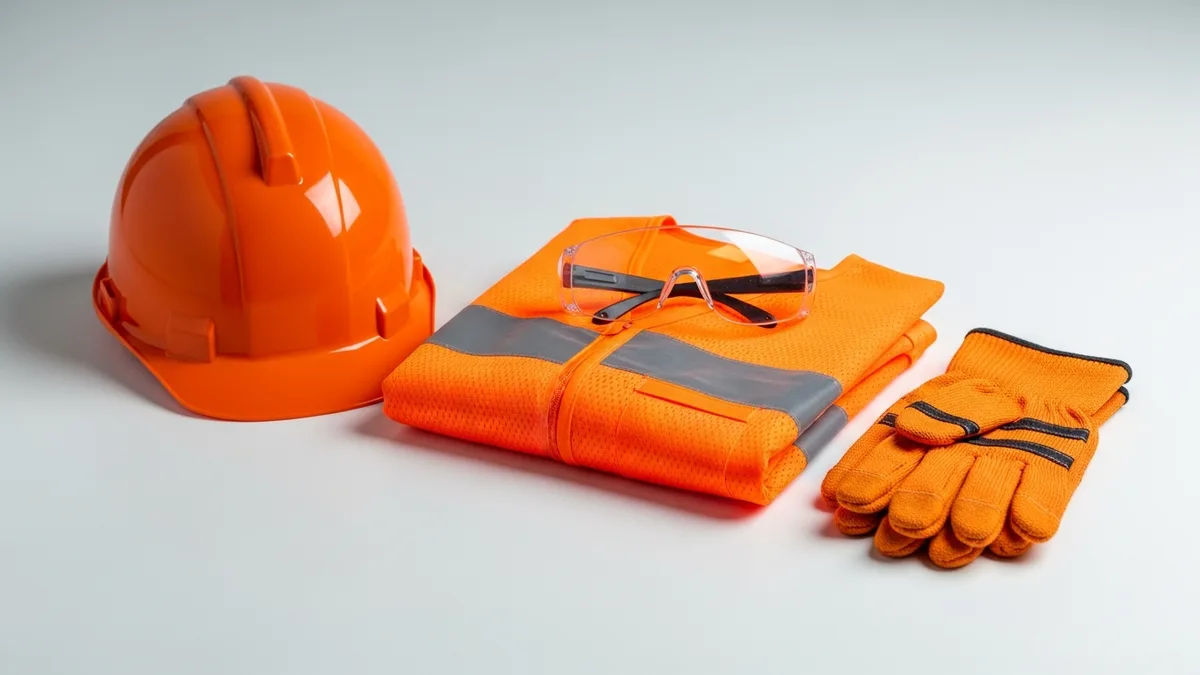
5. Personal Protective Equipment (PPE) Checks Do not just tell people to wear their PPE. Inspect it together. Check hard hats for cracks, safety glasses for scratches that reduce visibility, gloves for wear, and high-vis vests for reflectivity. Damaged PPE is almost as bad as no PPE.
6. Fire Prevention on the Jobsite Review the location of fire extinguishers, hot work permit procedures, and proper storage for flammable materials. If your crew is welding, cutting, or grinding that week, this one is mandatory.
7. Hand and Power Tool Safety Inspect tools before use, review guard requirements, and remind crews about the right tool for the right job. Makeshift fixes with the wrong tool cause more hand injuries than most people realize.
8. Struck-By Hazard Awareness Falling objects, swinging loads, and moving vehicles all fall under struck-by hazards. Cover hard hat requirements, barricade placement, and communication signals for crane and equipment operators.
9. Housekeeping and Slip/Trip/Fall Prevention A clean jobsite is a safe jobsite. Walk through material storage, cord management, debris removal, and keeping walkways clear. This is one of the easiest wins in construction safety, and one of the most ignored.
10. Emergency Action Plans and First Aid Make sure everyone knows the evacuation route, rally point, location of first aid kits, and who the designated first aid responder is. Run through this at the start of every new project, not just once a year.
10 Trending Topics for 2026
These are the topics getting attention from OSHA, insurance carriers, and safety consultants right now. Mixing these into your rotation shows that your safety program is current and responsive.
11. Heat Illness Prevention Multiple states have adopted or expanded heat illness prevention standards, and a federal OSHA rule is in the pipeline. Cover the signs of heat exhaustion versus heat stroke, your water/rest/shade plan, and acclimatization procedures for new workers. If you are scheduling outdoor work during summer months, build rest breaks directly into the schedule rather than hoping crews take them on their own.
12. Silica Dust Exposure OSHA’s respirable crystalline silica standard (29 CFR 1926.1153) requires exposure assessments, dust controls, and medical surveillance. Review Table 1 controls for common tasks like concrete cutting and grinding. Make sure your crew knows that a dust mask alone does not cut it for silica.
13. Mental Health and Suicide Prevention Construction has one of the highest suicide rates of any industry. This is not an easy topic to bring up at a toolbox talk, but it matters. Share the 988 Suicide and Crisis Lifeline number, talk about the pressures of the job, and let your crew know that asking for help is not a weakness. Even a two-minute mention normalizes the conversation.
14. Distracted Driving and Vehicle Safety If your crews drive company trucks or haul equipment between jobsites, distracted driving is a real liability. Cover phone-free driving policies, pre-trip vehicle inspections, and the fact that vehicle accidents are one of the top causes of construction worker deaths off the jobsite.
15. Drug and Alcohol Awareness Nobody loves this topic, but impairment on a construction site can be fatal. Review your company’s substance abuse policy, talk about prescription medications that cause drowsiness, and make sure everyone knows the procedure for reporting concerns without fear of retaliation.
16. Respiratory Protection Beyond Dust Masks With more attention on silica, lead paint, and chemical exposures, your crew needs to understand the difference between a dust mask, an N95, a half-face respirator, and a supplied-air respirator. Cover fit testing requirements and how to inspect respirators before each use.
17. Crane and Rigging Safety If you have a crane on site, this topic is non-negotiable. Cover lift plans, load charts, signal person responsibilities, and the swing radius danger zone. One bad lift can shut down a project and end careers.
18. Confined Space Entry Review the permit-required confined space procedures, atmospheric testing, and rescue plans. Emphasize that confined spaces do not always look confined. Manholes, tanks, crawl spaces, and even deep excavations can qualify.
19. Noise Exposure and Hearing Protection Hearing loss is permanent and cumulative. Cover the types of hearing protection available, when they are required (anything over 85 decibels for an 8-hour shift), and the long-term consequences. Most construction workers do not notice hearing damage until it is too late.
20. Cybersecurity for Construction Companies This one surprises people at a toolbox talk, but phishing emails, ransomware, and invoice fraud are hitting construction companies hard. A quick five-minute talk about not clicking suspicious links, verifying wire transfer requests by phone, and using strong passwords protects the business just like a hard hat protects your head.
How to Run a Toolbox Talk That Crews Actually Remember
Reading a safety sheet out loud while everyone stares at their boots does not count as a toolbox talk. Here is what actually works.
Keep it short. Five to ten minutes is the sweet spot. If you cannot cover the topic in that window, break it into two talks.
Make it specific. Tie every topic to the actual work happening that day. “We are framing the second floor this week, so let us talk about fall protection for this specific layout” hits harder than “falls are dangerous.”
Ask questions. Turn the talk into a conversation. “Who here has seen someone skip tying off because the task was quick?” gets people engaged faster than a lecture.
Rotate presenters. Let your foremen, lead carpenters, and experienced crew members run the talk. When a peer delivers the message, it lands differently than when the boss does it.
Use real incidents. OSHA’s fatality and catastrophe reports are public. Pull a recent one that relates to your topic and walk through what went wrong. Real stories stick.
Document everything. Record the date, the topic, who attended, and any questions or concerns that came up. Projul’s daily log feature makes this simple. Snap a photo of the sign-in sheet, note the topic, and it is stored with the project record where you can find it during an audit or insurance review.
Tracking and Documenting Your Safety Program
Running a great toolbox talk means nothing if you cannot prove it happened six months later when an inspector asks. Documentation is the part that most contractors skip, and it is the part that costs them the most.
At minimum, every safety meeting should have a record that includes the date and time, the topic covered, who led the discussion, a sign-in sheet with crew signatures, and notes on any follow-up items. If someone raised a concern about a specific hazard, write that down and document when you addressed it.
This is where your project management software earns its keep. Instead of filing paper sign-in sheets in a binder that lives in your truck, log the meeting in your daily logs alongside the rest of the day’s activity. That way the safety record lives with the project, not in a stack of papers that might get lost.
Not sure if Projul is the right fit? Hear from contractors who use it every day.
For crews spread across multiple jobsites, consistency gets harder. If you are tracking time across projects, you already know which crews are on which sites. Use that same structure to assign and verify that toolbox talks are happening everywhere, not just on the jobs you personally visit.
And if you are building out a full safety training program beyond toolbox talks, check out our construction safety training guide for a deeper look at onboarding, certifications, and ongoing training requirements.
Building a Year-Round Safety Calendar
The best safety programs are not random. They follow a calendar that matches the work and the seasons. Here is a simple framework you can adapt.
January and February: Start the year with refreshers on your emergency action plan, PPE inspections, and cold weather hazards like hypothermia and icy walking surfaces. This is also a good time to review your safety program goals for the year.
March and April: As weather warms up and new projects kick off, focus on trenching and excavation, scaffolding, and fall protection. Spring is when crews ramp up and new hires come on board, so cover the basics thoroughly.
May and June: Shift to heat illness prevention, hydration, and sun protection. Also a good time for electrical safety and lockout/tagout as more systems come online in buildings under construction.
July and August: Peak heat means heat illness talks should repeat monthly. Add silica dust exposure, respiratory protection, and housekeeping. Midyear is a good checkpoint for reviewing incident logs and near-miss reports.
September and October: As the year winds down on some projects, cover crane and rigging safety, confined space entry, and fire prevention. Fall is also a good time for mental health awareness, especially as daylight hours shorten and seasonal pressures increase.
November and December: Close the year with holiday safety, fatigue awareness, and a review of the year’s incidents and near-misses. Set goals for next year and recognize crews with strong safety records.
Map this calendar to your project schedule so the topics align with the actual phases of work on each job. A fall protection talk the week before your crew starts roof framing is ten times more effective than one delivered three months earlier.
If you are evaluating tools to help manage all of this, from daily logs to scheduling to time tracking, take a look at Projul’s pricing to see which plan fits your operation.
Safety meetings do not have to be painful. They do not have to be long. And they definitely do not have to be the same recycled topics your crew has heard a hundred times. Pick one topic from this list each week, tie it to the real work happening on your jobsite, keep it under ten minutes, and document it.
Twenty topics gives you almost five months of weekly talks without repeating yourself. Mix in the seasonal calendar approach and you have a full year covered. Your crew stays sharp, your documentation stays current, and when OSHA shows up or your insurance carrier asks for records, you have everything you need.
Book a quick demo to see how Projul handles this for real contractors.
The hardest part is not finding topics. It is being consistent. Build the habit, make it part of your morning routine, and it becomes as automatic as the safety vest your crew puts on every morning. That is how you build a culture where people actually go home safe at the end of every shift.
Frequently Asked Questions
How often should I hold construction safety meetings?
How long should a toolbox talk last?
Do I need to document toolbox talks for OSHA?
What makes a good construction safety meeting topic?
Can toolbox talks reduce my insurance premiums?
Related Articles
OSHA Compliance for Contractors: What You Need to Know in 2026
OSHA fines hit record highs heading into 2026, and new rules are changing how contractors handle everything from heat...
Read More →
Construction Site Safety Inspections: Complete Checklist and Process
A practical safety inspection checklist and process that actually prevents accidents instead of just checking boxes.
Read More →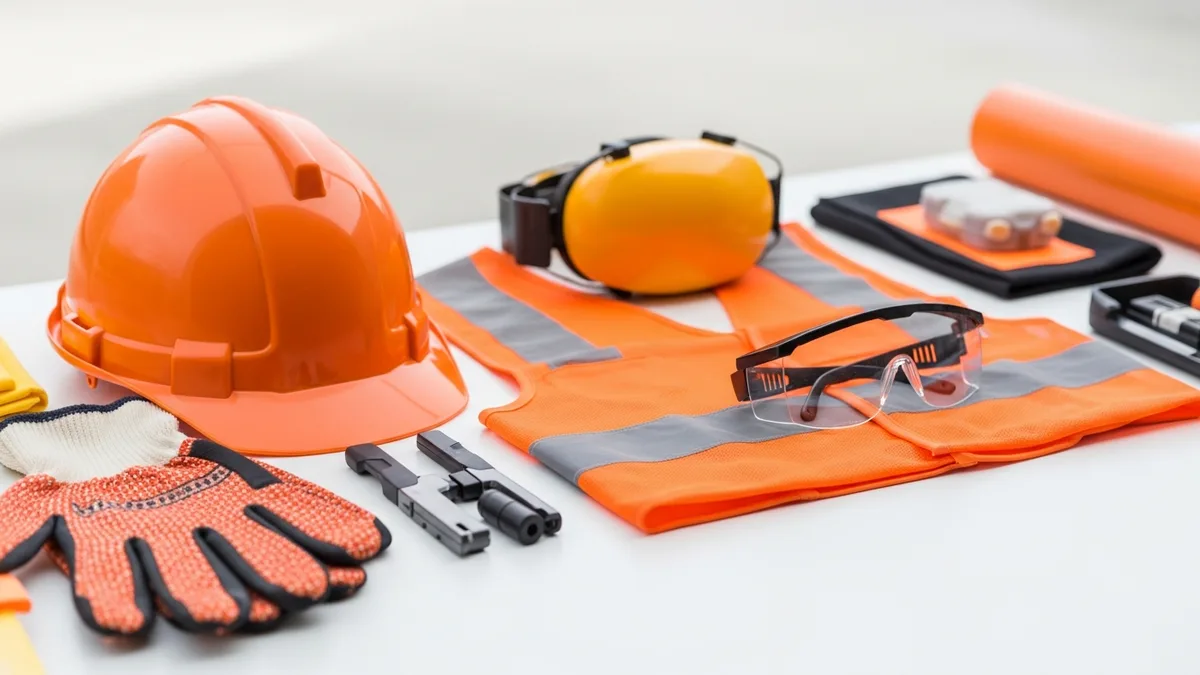
How to Write a Construction Safety Plan That Actually Gets Followed
How to write a safety plan that doesn't just sit in a binder but actually changes behavior on the jobsite.
Read More →