
Construction Site Cleanup: Best Practices for a Professional Jobsite | Projul
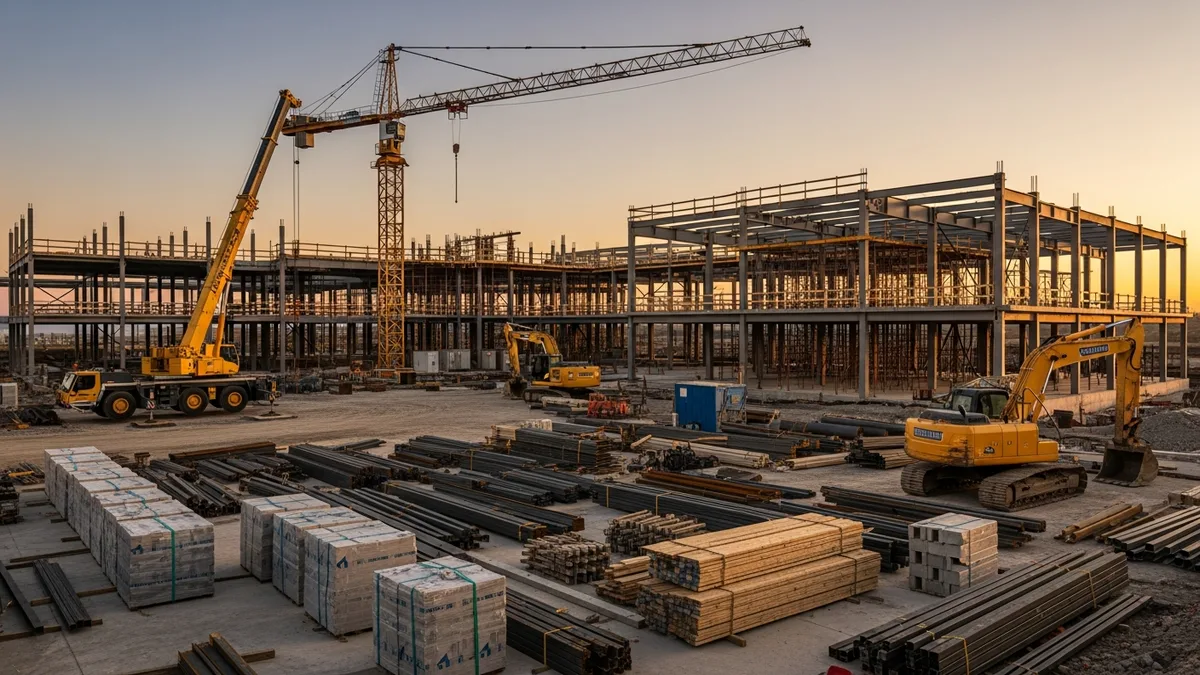
A clean jobsite isn’t just about looking good for the client. It’s a safety issue, a productivity issue, and honestly, a money issue. Crews that work on messy sites move slower, get hurt more often, and burn time hunting for tools instead of building.
But most contractors treat cleanup as an afterthought. Something that happens when someone trips over a pile of scrap lumber. Or when the GC calls and says the owner is stopping by tomorrow.
That’s backwards. The best-run crews in the industry treat site cleanup as part of the job, not separate from it. And they budget for it, schedule it, and hold people accountable for it.
Here’s how to do it right.
Why Jobsite Cleanliness Is a Business Decision
Let’s skip the lecture about “keeping a tidy workspace.” You already know a clean site looks better. The real question is: what does a messy site actually cost you?
Safety incidents eat your profits. A single recordable injury can cost $40,000 or more in direct costs. That doesn’t include the indirect costs like schedule delays, crew morale, and the investigation process that follows. Slips, trips, and falls are the number one cause of construction injuries, and most of them happen because someone left debris in a walkway or didn’t clean up a spill.
OSHA fines are no joke. A serious violation runs $16,131 per occurrence as of 2025. Willful violations? Up to $161,323 each. “Housekeeping” is one of the most cited categories in construction inspections. We’ll dig into the specifics below.
Clients notice. Homeowners and commercial property owners walk through your jobsite. They might not understand your framing or your rough-in, but they absolutely notice piles of trash, scattered materials, and cigarette butts in the driveway. First impressions drive referrals. A messy site kills confidence.
Your crew works slower on a dirty site. This is the one most contractors underestimate. Studies from the Construction Industry Institute found that poor site organization can reduce productivity by 10-15%. Your electrician spending five minutes looking for a junction box every hour adds up to almost an hour a day. Multiply that across a crew of eight and you’re losing a full person-day of labor. Every single day.
Insurance premiums respond to your safety record. More incidents mean higher EMR (Experience Modification Rate), which means higher premiums. Some GCs won’t even let you bid on their jobs if your EMR is above 1.0. A clean, safe site keeps that number low.
So no, this isn’t about being neat. This is about protecting your margins, your reputation, and your people.
Daily Cleanup Routines That Take 15 Minutes
The biggest misconception about jobsite cleanup is that it takes a lot of time. It doesn’t, if you do it every day. Sites only become disasters when nobody touches them for a week.
Here’s a 15-minute end-of-day routine that keeps things under control:
Last 10 minutes of every shift belong to cleanup. Build it into the schedule. If your crew knocks off at 4:00, cleanup starts at 3:50. Not optional. Not “if we have time.” It’s part of the workday, and you should track it in your daily logs just like any other task.
Material staging. Every material has a home. Lumber goes on the lumber stack. Pipe goes on the pipe rack. Drywall stands upright against an interior wall, not laid flat in a hallway where someone will step through it. At the end of each day, materials go back where they belong. This also makes morning startup faster because nobody is hunting for stock.
Tool organization. Gang boxes get locked. Cords get coiled and hung. Power tools go in their cases or on the tool wall. Hand tools go back in pouches or toolboxes. Leaving a $400 rotary hammer sitting on a sawhorse overnight is how tools grow legs.
Debris management. Sweep the work area. Throw cutoffs in the scrap bin. Pick up fastener packaging, wire nuts, tape rolls, and all the small stuff that accumulates throughout the day. If you’re generating a lot of dust (cutting concrete, sanding drywall), a quick vacuum or wet mop makes a real difference for the next morning.
Hazard check. Before you leave, walk the active work areas. Are there any trip hazards? Open holes without covers? Extension cords across walkways? Exposed nail points in scrap lumber? Fix them now, or someone catches one first thing tomorrow.
That’s it. Ten minutes of actual work, five minutes of walking and checking. Do it every day and you’ll never face a weekend-long cleanup session again.
Waste Management and Dumpster Planning
Dumpsters are one of those costs that contractors either ignore or overspend on. Getting it right saves real money across a project.
Right-Sizing Your Dumpster
The most common mistake is ordering too small. A 20-yard dumpster seems cheaper than a 30-yard, but if you fill it in three days and need a swap, you’re paying a haul fee plus delivery on the replacement. That second trip usually costs more than the price difference between the two sizes.
For most residential remodels, a 20-yard container handles the job. New construction on a 2,000+ square foot home? Start with a 30-yard. Commercial work or demolition? You probably need a 40-yard, and you should plan for at least two swaps.
Talk to your waste hauler about flat-rate pricing vs. tonnage-based pricing. Flat rate is simpler to budget, but tonnage-based can save you money on lighter debris like framing scraps and insulation. Heavy materials like concrete, brick, and roofing shingles will blow past a flat rate fast.
Recycling Requirements
Many municipalities now require construction waste recycling, and the percentage keeps going up. Some cities require 65% or more diversion from landfill. If you’re working in California, Massachusetts, or similar states, you need to track this.
Common recyclable construction materials include:
- Clean wood and lumber scraps
- Metal (copper, steel, aluminum)
- Concrete and masonry (can often be crushed and reused as fill)
- Cardboard and packaging
- Drywall (gypsum recycling is growing)
- Asphalt shingles
Setting up a separate bin for recyclables on site costs almost nothing and can actually reduce your waste hauling bill. Metal recycling in particular can generate income rather than cost money.
Hazardous Waste
Some materials can’t go in the regular dumpster. Lead paint chips from pre-1978 buildings, asbestos-containing materials, certain solvents and adhesives, and fluorescent light tubes all require special handling.
Read real contractor reviews and see why Projul carries a 9.8/10 on G2.
Mixing hazardous waste into a regular dumpster can result in your entire load being reclassified as hazardous, and the disposal cost jumps from dollars per ton to dollars per pound. Not worth the risk. Keep a separate, clearly labeled container for anything questionable and call a licensed hazardous waste hauler.
Tracking Waste Costs
Waste removal is a real line item, and it belongs in your job cost tracking. If you’re using job costing software, create a specific cost code for waste and disposal. Over time, you’ll see patterns. Maybe your framing crews generate twice the waste of your finish crews. Maybe your demo phases consistently run over the waste budget. That data helps you bid more accurately on future work.
OSHA Housekeeping Requirements
OSHA doesn’t have a single “housekeeping standard.” Instead, housekeeping requirements show up across multiple standards, and inspectors cite them regularly. Here’s what they actually enforce on construction sites.
The Core Standards
29 CFR 1926.25 - Housekeeping. This is the main one. It requires that scrap lumber, waste material, and rubbish be removed from the immediate work area. It also requires that combustible scrap and debris be removed at regular intervals. Containers must be provided for waste collection.
29 CFR 1926.252 - Disposal of waste materials. Prohibits throwing materials from buildings or structures unless proper chutes or containers are used. Materials can’t be dropped through holes in the floor without warning barricades below.
29 CFR 1926.20(b) - General safety and health provisions. Requires employers to initiate and maintain programs for frequent and regular inspections of jobsites. A messy site is often the first indicator to an inspector that your safety program isn’t working.
What Inspectors Actually Look For
In practice, OSHA inspectors doing a construction site walk-through will flag these common housekeeping violations:
- Blocked egress routes. Materials or debris piled in front of exits, stairways, or access points. This is a big one.
- Protruding nails in scrap lumber. Every board with a nail sticking up is a potential citation. Bend them over or pull them.
- Electrical cords running through water or across walkways. Cords need to be raised or protected.
- Open holes without covers or guardrails. Floor openings, wall openings, and stairway openings must be guarded.
- Improper storage of flammable materials. Paint, solvents, and fuel stored near ignition sources or without proper containment.
- Excessive dust without controls. Especially silica dust from concrete cutting, which has its own standard (1926.1153).
Penalty Amounts
As of 2025, OSHA penalty amounts are:
- Other-than-serious violation: Up to $16,131
- Serious violation: Up to $16,131
- Willful or repeated violation: Up to $161,323
- Failure to abate: Up to $16,131 per day
These numbers adjust annually for inflation. And here’s the kicker: inspectors can stack citations. Five protruding nail boards in five locations? That could be five separate serious violations. You do the math.
The cheapest way to handle OSHA housekeeping is to never get cited in the first place. Build a daily cleanup routine, document it in your daily logs, and make it part of your safety culture. If you need a refresher on broader safety practices, check out our construction safety management guide.
Final Clean vs Construction Clean vs Rough Clean
If you’ve been in the business long enough, you’ve had the argument. The GC says “leave it broom clean” and the owner expects “move-in ready.” Those are very different things, and the confusion costs money.
There are three recognized phases of construction cleaning, and every contractor on the job should know which one they’re responsible for.
Rough Clean (Ongoing Throughout Construction)
Rough cleaning happens continuously during the build. It’s the daily and weekly cleanup we talked about earlier. Trash goes in the dumpster. Scrap gets sorted. Work areas stay passable and safe.
What it includes:
- Removing packaging materials and scrap
- Sweeping floors in completed areas
- Keeping walkways and stairs clear
- Stacking and organizing materials
- Basic dust control
Who’s responsible: Every trade on site. Your subs should be cleaning up after themselves as part of their scope. If they’re not, put it in the subcontract agreement. “Leave your work area broom clean daily” is standard language, but you need to enforce it.
Construction Clean (After Major Phases)
Construction cleaning happens after major milestones, typically after rough-in, after drywall, and before finish work begins. It’s more thorough than daily cleanup but not the final product.
What it includes:
- Removing all construction debris from the structure
- Sweeping and vacuuming all floors
- Wiping down window sills and ledges
- Cleaning dust off mechanical, electrical, and plumbing rough-ins
- Removing labels and protective film from fixtures
- Cleaning windows (interior side at minimum)
Who’s responsible: Usually the GC or a dedicated cleaning crew. Some GCs handle this in-house. Others hire a construction cleaning company. Either way, budget for it.
Final Clean (Before Turnover)
Final clean is the last step before the owner or tenant takes possession. This is the one that matters most for your reputation because it’s what the client sees when they walk through for the final time.
What it includes:
- All floors cleaned, mopped, or vacuumed to finished standard
- All windows cleaned inside and out
- All fixtures cleaned and polished (hardware, lighting, plumbing fixtures)
- Countertops, cabinets, and shelving wiped down
- Appliances cleaned inside and out
- All labels, stickers, and protective coverings removed
- Touch-up paint on scuffs and marks
- Exterior cleanup including landscaping areas, driveways, and sidewalks
- HVAC registers and returns vacuumed
- Light switch plates and outlet covers wiped down
Who’s responsible: The GC is ultimately responsible, but most hire a professional cleaning service for final clean. This is not a job for your framing crew. A professional cleaning company that specializes in post-construction work will do it faster and better than your guys, and your crew’s time is better spent on productive work anyway.
Pro tip: Schedule the final clean at least two days before the owner walkthrough. You’ll almost always find touch-up items after cleaning reveals small defects that were hidden under construction dust.
Building Cleanup Into Your Schedule and Budget
Here’s where most contractors fall short. They know cleanup matters but treat it as something that just happens. It doesn’t. It needs to be scheduled, budgeted, and tracked like any other part of the job.
Schedule It
Add cleanup tasks to your project schedule. Not as a vague note, but as actual scheduled activities with assigned crews and durations.
- Daily cleanup: 15 minutes at end of each shift, every day
- Weekly deep clean: 1-2 hours every Friday afternoon
- Phase cleanups: Half-day to full-day between major phases
- Final clean: 1-2 days before owner walkthrough, depending on project size
When cleanup is on the schedule, it gets done. When it’s not, it gets skipped until someone complains.
Budget It
Cleanup costs money. Pretending it doesn’t just means you’re eating the cost somewhere else. Here’s what to account for:
Labor. Your crew’s cleanup time is real labor cost. If you have eight people spending 15 minutes a day on cleanup, that’s two person-hours per day. On a six-month project, that’s over 250 person-hours. At $45/hour burdened rate, that’s over $11,000 in cleanup labor alone. It needs to be in the estimate.
Dumpsters and hauling. Get quotes early and include them in your bid. Don’t forget haul fees for swaps. A typical residential project might run $2,000-$5,000 in dumpster costs. Commercial projects can be significantly more.
Cleaning supplies and equipment. Brooms, dustpans, trash bags, a shop vac or two. Minor costs individually, but they add up over a project.
Professional cleaning service. For final clean, budget $0.15-$0.50 per square foot depending on the scope and your market. A 3,000 square foot home might cost $500-$1,500 for professional post-construction cleaning.
Track it all with job costing. When you know what cleanup actually costs per project, you can bid it accurately instead of guessing. And when you see that a particular project or crew type consistently costs more in cleanup, you can address it.
Hold People Accountable
Assign cleanup responsibilities by trade and by area. Put it in subcontract agreements. Enforce backcharges when subs don’t clean up after themselves. If your drywall sub leaves the house looking like a snowstorm hit, that’s their cost to clean, not yours.
Document everything with photos in your daily logs. A timestamped photo of a sub’s mess is worth a thousand arguments when the backcharge conversation happens.
Ready to see how Projul can work for your crew? Schedule a free demo and we will walk you through it.
Frequently Asked Questions
How much does construction site cleanup cost?
Cleanup costs vary by project size, but plan for 1-3% of total project cost. For a $500,000 residential project, that’s $5,000-$15,000 covering daily labor, dumpsters, and professional final cleaning. Track it as a separate cost code in your job costing so you can refine your estimates over time.
Who is responsible for jobsite cleanup on a construction project?
The general contractor is ultimately responsible for overall site cleanliness. However, each subcontractor should be contractually responsible for cleaning up their own work areas daily. Put it in writing. Standard subcontract language should include “leave work area broom clean at end of each workday” and specify backcharge provisions for non-compliance.
What are the OSHA requirements for construction site housekeeping?
OSHA’s primary housekeeping standard for construction is 29 CFR 1926.25, which requires removal of scrap, debris, and waste from work areas at regular intervals. Additional requirements exist for waste disposal (1926.252), walking surfaces, and fire prevention. Violations can result in fines from $16,131 for serious violations up to $161,323 for willful violations, and inspectors can issue multiple citations per site visit.
What is the difference between rough clean, construction clean, and final clean?
Rough clean is the daily and weekly cleanup during active construction. Construction clean is a deeper cleaning after major phases like framing or drywall. Final clean is the detailed, move-in-ready cleaning done before the client walkthrough. Each phase is progressively more thorough, and each should be scheduled and budgeted separately in your project plan.
How do I get my subcontractors to clean up after themselves?
Start with the contract. Include specific cleanup language and backcharge provisions. Then enforce it consistently. Document messes with photos and timestamps in your daily logs. Issue warnings first, then apply backcharges. Once subs know you’re serious, behavior changes fast. The key is consistency. If you let it slide sometimes, nobody takes it seriously. Consider using scheduling tools to build cleanup time into each sub’s work window so they can’t claim they “ran out of time.”
A clean jobsite isn’t a luxury. It’s how professional contractors protect their crews, their clients, and their bottom line. Start with the daily 15-minute routine, budget for it properly, and hold every trade on site accountable. Your safety record, your client reviews, and your profit margins will all reflect the effort.
Ready to get your jobsite management organized? Check out Projul’s pricing and see how the right tools make it easier to schedule, track, and manage every part of your projects, including the cleanup.
Frequently Asked Questions
How much time should I budget for daily jobsite cleanup?
What are the OSHA fines for a messy construction site?
How does a dirty jobsite affect productivity?
Should I include cleanup costs in my project estimates?
Who is responsible for jobsite cleanup -- the GC or the subs?
Related Articles
Construction Pile Driving and Deep Foundation Methods Guide
A contractor's guide to pile driving and deep foundation methods. Covers driven piles, drilled shafts, auger cast...
Read More →
Design-Build vs Design-Bid-Build: Which Delivery Method Is Right for Your Project
Design-build and design-bid-build are the two most common ways to deliver a construction project. Picking the wrong one...
Read More →
Construction Document Management: Stop Losing Plans, Contracts, and Change Orders
Losing documents on a construction project costs more than you think. Missed change orders, unsigned contracts sitting...
Read More →