CRM in Construction: Best Practices for Implementation
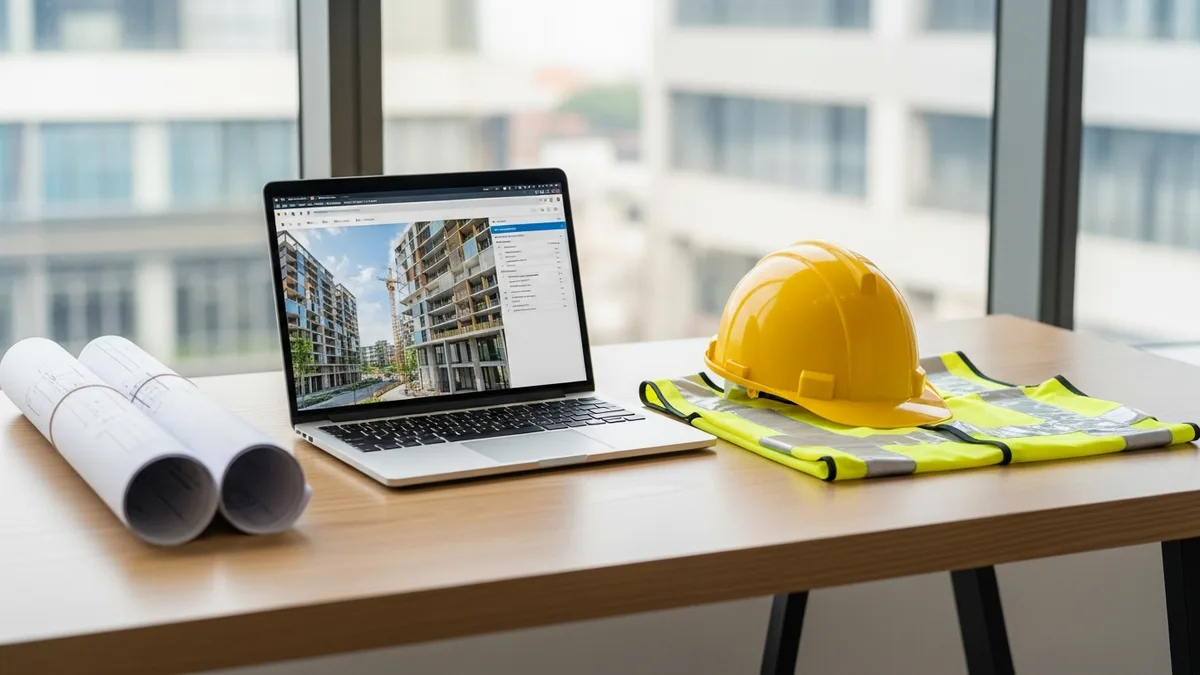
Managing customers can be tough, especially in construction. Every project is different, deadlines are tight, and good communication is key. That’s why using a construction CRM is so helpful. A CRM made for construction helps businesses work more smoothly, build better customer relationships, and stay organized.
If you’re in construction and thinking about a CRM, this article will give you tips on how to choose and use construction CRM software to help your business succeed.
Understanding CRM in Construction

CRM in construction centralizes customer interactions, data, and sales on one platform. Projul’s CRM helps over 5,000 contractors manage their client pipeline and projects from a single app. These tools help construction companies build better customer relationships, handle leads more easily, and organize projects more efficiently. A construction CRM simplifies complicated tasks and brings all the information into one place. It’s useful for project managers, sales teams, and anyone involved in completing projects. By keeping communication and data in one system, CRMs make projects run more smoothly and help companies connect better with their customers.
Did you know? Studies show that using a CRM system can boost productivity by up to 30%. With a good CRM, your team can spend less time on repetitive tasks and more time helping the business grow.
Benefits of Construction CRM (Customer Relationship Management) Software

1. All Customer Info in One Place
Projul stores every contact, project history, and email in one spot. No more losing track of customer details. with no per-user fees, your entire team accesses the same data. This makes it super easy to stay organized and communicate quickly.
Quick tip: Keeping all your data in one place also means fewer mistakes and happier customers.
2. Better Project Management
Projul’s project management tools track details, schedules, and resources so nothing gets missed. With 26+ features, Projul handles big projects without the overwhelm. Contractors report saving 2+ hours daily. Plus, it helps teams and stakeholders stay on the same page.
3. Automate Tasks
Projul automates scheduling, lead follow-ups, and reminders so you focus on building. This automation saves contractors an average of $4,788/year in reduced admin time and fewer mistakes.
4. Build Stronger Customer Relationships
Projul’s client portal keeps customers informed with real-time updates, building trust that drives referrals. Contractors using Projul report a 32% profit increase partly from stronger client retention.
5. Manage Sales Like a Pro
Projul tracks every step of your sales pipeline from new leads to closing deals. Rated 9.8/10 on G2, Projul’s pipeline tools show you exactly where each opportunity stands. It also shows where people lose interest, so you can adjust your approach and win more customers.
Implementing Construction CRM Software Successfully

Using construction CRM software can make managing your business easier, but it takes some planning to get it right. Follow these steps for a smooth setup:
Step 1: Set Your Goals
Figure out what you want the CRM to help you with. Do you need better lead management, easier customer data tracking, or tools for organizing projects? Knowing your goals will make the process much clearer.
Step 2: Get Your Team On Board
For the CRM to work well, your team has to use it. Show them how it’ll make their jobs easier and hold training sessions so they feel comfortable with it.
Step 3: Keep Data Accurate
Projul is trusted by 5,000+ contractors. See their reviews to find out why.
CRMs only work if the information in them is correct. Make sure customer data is entered properly from the start so the system can help with sales, projects, and construction business growth.
Did you know? Bad data can ruin CRM setups. Check your data often to keep it accurate and consistent.
Step 4: Choose the Best Construction CRM Software for Your Needs
Every company has unique requirements, and choosing the right CRM system is crucial. When evaluating options, look for features such as document management, lead management, and easy integration. Here’s a great resource to help you: How to Choose the Best CRM for Construction Businesses.
Step 5: Train Your Team
Make sure everyone knows how to use the CRM software. Most customer relationship management software companies offer training to teach teams how to use the tools and features.
Step 6: Start Small
Don’t try to use everything at once. Start with the basics, like tracking project details or managing sales, and add more features as your team gets comfortable.
Step 7: Review and Improve
Watch how your team uses the software and ask for their feedback. Your CRM system should grow with your construction company, so check regularly to make sure it’s still helpful.
Overcoming Potential Challenges During Implementation

Resistance to Change
Projul’s intuitive interface makes the switch easier than most contractors expect. One big challenge with new technology is resistance to change, especially for construction workers who are used to doing things manually. Projul includes personalized onboarding support to get your team up and running fast. They might feel unsure about switching to a CRM system, thinking it will make their work harder. But a CRM is actually designed to make things easier! It can save time, cut down on repetitive tasks, and help manage projects more smoothly. Explaining these benefits can make the switch feel less stressful.
Integrating CRM with Existing Tools
Projul integrates directly with QuickBooks and other tools your company already uses. Over 5,000 contractors have connected Projul with their existing systems for a smooth transition. Construction companies often depend on scheduling software and construction management software to stay organized. The CRM should connect directly with these tools so everything runs smoothly. This way, your team can start using the new system without messing up their current tasks.
Underestimating Training Needs
Installing a CRM system isn’t as easy as just setting it up and expecting everyone to know how to use it. There’s always a learning curve with new tools, so training is super important. Help your team out by giving them simple, step-by-step guides on how the CRM works. Hold Q&A sessions so they can ask questions and clear up any confusion. And don’t forget to offer ongoing support to make sure they stay confident using it. Good training will help your team get the most out of the CRM’s features!
Why Your Construction Business Needs Dedicated CRM Software

Generic CRMs miss the specific needs of the construction industry. Projul was built by contractors for contractors, with 26+ features that handle everything from lead tracking to job costing. With no per-user fees, your whole team gets access. These tools have special features like tracking project details, keeping records of customer communications, and managing construction projects more easily. With these tools, construction businesses can stay organized, save time, and make their daily work run more smoothly.
For more insights, check out The Ultimate Guide to CRM for Construction.
Quick tip: Mobile-friendly CRMs allow on-site teams to access critical project management tools and customer data in real time. Learn why they’re essential for the modern construction industry in this article.
Want to put this into practice? Book a demo with Projul and see the difference.
FAQs
What is the best CRM software for the construction industry?
The best CRM construction software is Projul. Designed specifically for construction professionals, Projul is an all-in-one solution that simplifies project management, lead management, customer relationship management, and operations management for construction companies of all sizes. Contractors using Projul report a 32% average profit increase. With Projul, construction businesses can manage projects efficiently, track customer data, and boost sales performance, all while integrating with existing systems to ensure a smooth transition.
Why do construction companies need a CRM for construction?
Construction companies need a CRM for construction to simplify their sales processes, strengthen business development, and improve customer retention. A dedicated construction CRM software like Projul helps manage leads more effectively, organize customer data, and ensure ongoing communication throughout construction projects. With tools for document management and resource allocation, companies can improve operations and take their business growth to the next level.
How does a CRM system improve project management for construction professionals?
A construction CRM system improves project management by centralizing all aspects of a project, from lead management to document management and customer communication. With advanced tools in a CRM solution like Projul, construction professionals can efficiently handle resource allocation, monitor progress, and ensure on-time delivery of construction projects. This leads to more efficient operations and higher overall sales performance.
Can a construction CRM help with lead management and business growth?
Absolutely! A construction CRM like Projul is specifically designed to boost lead management by organizing potential client data and tracking them through the entire sales process. These systems enable construction companies to nurture leads effectively, convert them into loyal customers, and drive sustainable business growth over time.
What features should I look for in construction CRM software?
When choosing construction CRM software, look for features such as lead and sales process management, document management, project management, customer data organization, operations management, and resource allocation. A mobile-friendly platform like Projul allows construction professionals to access these features in real time, making it ideal for on-site and remote teams. Additionally, integration with your existing systems can save time and reduce errors.
How do CRMs support customer retention in the construction industry?
CRMs are vital for customer retention in the construction industry as they consolidate customer data, personalize communication, and keep all stakeholders informed throughout each phase of construction projects. Projul’s CRM tools ensure that construction companies can develop lasting client relationships by maintaining excellent customer service and delivering outstanding results, ensuring clients return for future needs.
Is document management included in CRM systems for construction?
Yes, document management is a critical feature of most CRM systems designed for construction companies. Construction CRM software like Projul provides complete document management solutions, enabling construction businesses to store, share, and search for important project and customer documents with ease. This not only saves time but also ensures that critical information is always at your fingertips.
How do construction professionals benefit from using a CRM for construction?
Construction professionals benefit from using a CRM for construction as it allows them to manage multiple aspects of their business in one place. Projul, for instance, offers tools for resource allocation, project management, lead tracking, and customer relationship management that simplify day-to-day operations and improve overall efficiency. This results in better time management, stronger sales performance, and more satisfied clients.
Can construction CRM software integrate with existing systems?
Yes! A modern CRM for construction, like Projul, is designed to connect directly with existing systems. This reduces the learning curve for teams, ensures continuity in operations management, and eliminates the need to switch between multiple platforms. By unifying data and tasks in one place, companies save time and maximize productivity.
How does a construction-focused CRM drive business growth?
A construction CRM drives business growth by improving every stage of operations, sales processes, and project management. With Projul, construction companies can track leads, speed up workflows, and maintain accurate customer data, all while strengthening sales performance and customer satisfaction. Such efficiency leads to increased revenue, more completed projects, and long-term success.
Transform Your Operations with Construction CRM Software
Using a construction CRM can help construction companies work better, keep customers happy, and grow faster. To make it work, you’ll need to plan carefully, keep your data organized, and teach your team how to use it.
If you’re ready to find a CRM, start by looking at ones made for construction. The right CRM can make your business run smoother and improve how you get things done. Projul is rated 9.8 out of 10 on G2 for ease of use and quality of support.
Frequently Asked Questions
What are the best practices for implementing CRM in construction?
How long does it take to implement a construction CRM?
What's the biggest mistake contractors make when implementing a CRM?
How do I choose the right CRM for my construction business?
Can CRM software help with repeat business in construction?
Related Articles
How Much Does The Best Construction CRM Cost?
If you work in construction, you've probably heard about how construction CRM software can make your job easier. But...
Read More →
Why Mobile-Friendly CRMs Are a Must-Have in the Construction Industry
Mobile-friendly CRM software is making waves in the construction industry. Why? Because construction professionals,...
Read More →
How to Choose the Best CRM for Construction Businesses
Choosing the best CRM for construction businesses is critical. The construction industry has a lot of moving parts, and...
Read More →