
Estimating Construction Software: Simplifying Templates

Creating construction estimates can be a real headache. When you’re trying to figure out costs for materials, labor, and everything else that goes into a project, it’s easy to make mistakes or miss important details. Plus, doing estimates by hand takes forever, time you could spend actually building.
That’s where construction estimating software comes in. Think of it like having a smart assistant that helps you make estimates faster and more accurately. One of its best features is templates, which are like reusable blueprints for your estimates. Instead of starting from scratch every time, you can use templates that already have most of the information you need.
In this guide, we’ll show you how these templates work and why they’re so useful. You’ll learn how they can speed up your estimating process, help catch costly mistakes, improve your chances of winning bids, and make it easier to track all your project costs in one place.
The Hidden Cost of Manual Estimating
Before we get into templates, let’s talk about what happens when contractors estimate jobs the old-fashioned way. You sit down with a notepad or a spreadsheet, flip through your memory of past jobs, make some phone calls to suppliers for current pricing, and start building numbers from nothing. Every single time.
This approach has a few serious problems. First, it’s slow. Building an estimate from scratch for a standard deck or kitchen remodel takes hours, even if you’ve done the exact same type of project fifty times before. Those hours add up fast when you’re trying to bid on multiple jobs per week.
Second, it’s inconsistent. When you’re building estimates from memory, you forget things. Maybe you remember the lumber and the hardware but forget to account for the cost of hauling away demo debris. Maybe you nail the material costs but underestimate labor because you didn’t account for the extra day it takes to work around an existing structure. These gaps don’t just hurt your margins. They hurt your credibility when you have to go back to a client with a change order for something you should have included from the start.
Third, manual estimating makes it nearly impossible to compare performance across jobs. If every estimate is structured differently, you can’t look back at ten kitchen remodels and see where your costs actually land versus where you predicted. You’re flying blind, job after job.
The fix for all of this is a system that lets you build on what you’ve already learned instead of starting over every time. That’s exactly what template-based estimating software does, and it’s the reason contractors who adopt it don’t go back to the old way.
What is Templating in Estimating Construction Software?
Projul’s estimating templates work like reusable blueprints for your bids. Over 5,000 contractors use Projul’s templates to build estimates faster and more accurately. When you start a new job, instead of writing down every single thing from scratch, you can grab a template and adjust it to fit what your client wants.
Why Templates Are Helpful
Projul’s templates are super helpful for jobs you do often. Contractors using Projul’s estimating tools cut bid preparation time by 40% or more. Let’s say you regularly build decks — your template would already include things like lumber, hardware, and labor hours. You just need to change the size and any special features the client requests.
Benefits of Using Templates
Projul’s templates make your work easier in a few important ways. First, they help you be consistent — you won’t accidentally forget to include something important. Second, they save tons of time since you’re not starting from zero with each estimate. Contractors using Projul save 2+ hours daily on admin tasks like estimating.
When to Use Templates
Templates work best for construction projects that are similar to each other. If you often work on kitchen remodels, bathroom updates, or home additions, you can create a basic template for each type of job. As you use these templates more and more, you’ll get better at spotting what needs to be adjusted for each new project.
Quick tip: A good way to start is to pick your most common type of project and make a template for that first. You can always improve it as you go along, adding details you might have missed or adjusting prices when they change.
If you’re still deciding between different estimating approaches, our guide on construction estimating software programs breaks down what’s available and what to look for.
How Construction Estimating Tools Strengthen Accuracy and Efficiency

Saving Time on Math
Projul’s estimating software does all the tricky calculations for you. The template already knows how much materials cost and how many hours of work you need. When you change something like the size of a room, it automatically updates all the numbers. Rated 9.8/10 on G2, Projul helps you finish estimates way faster.
Accurate Estimates: Getting the Numbers Right
Projul’s templates act like a checklist for your project costs. Instead of having to remember and type in every price and detail each time, the template already has most of this information ready to go. You just need to change a few things to match what your client wants. Contractors using Projul save an average of $4,788/year by avoiding costly estimate mistakes.
Did you know? Using templates helps catch things you might otherwise forget to include in your estimate. For big construction projects, this can save you from losing thousands of dollars by bidding too low. It’s like having an expert looking over your shoulder, making sure you don’t miss anything important.
Labor and Material Costs: How Estimation Templates Drive Efficiency

Framing and Roofing
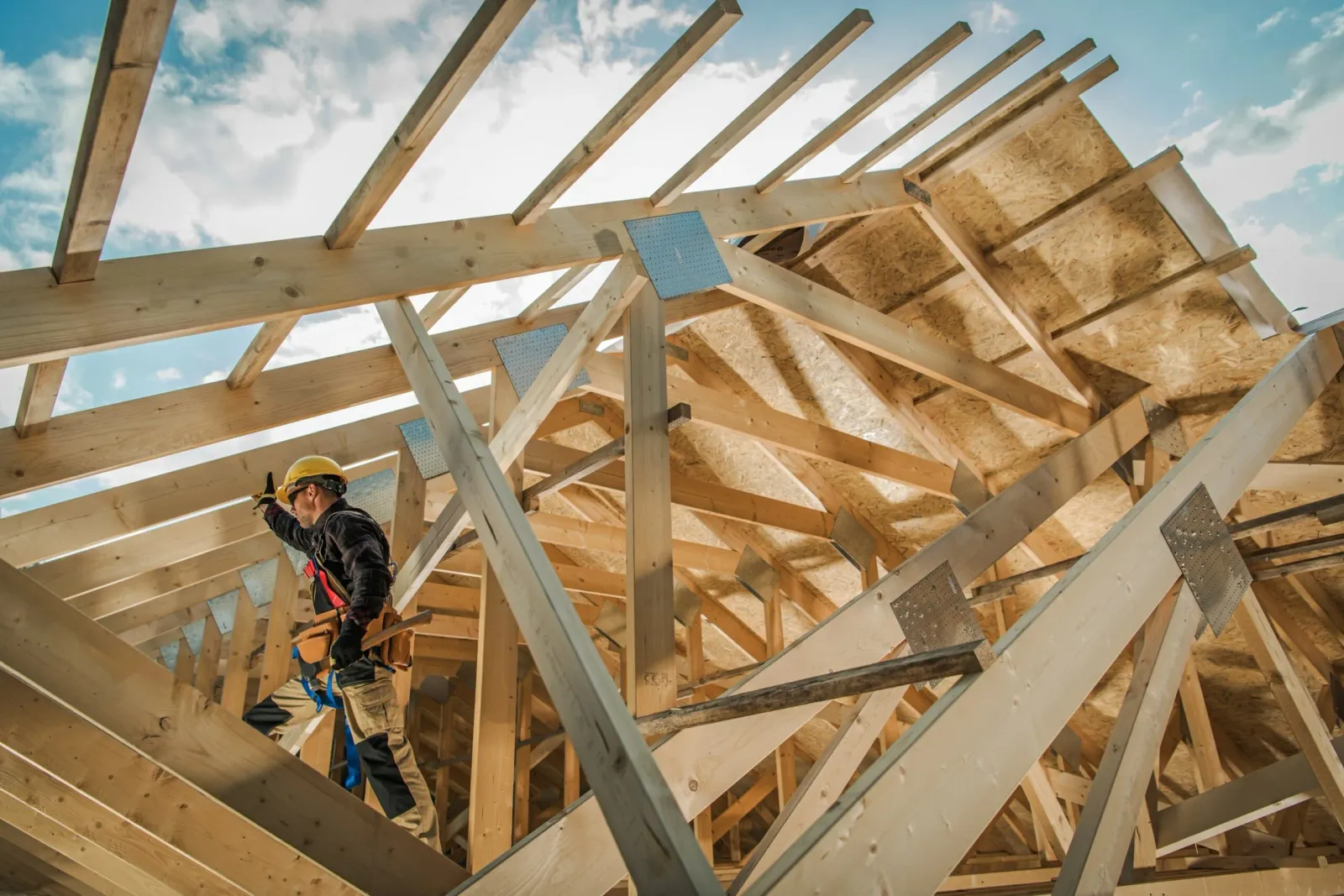
Projul’s framing and roofing templates have all the standard details worked out — from plywood quantities to roof trusses to shingle overlap. With 26+ features, Projul handles everything from the number of nails you need to how many workers it takes. You just plug in the house size, and the template helps calculate everything else without missing any important parts.
Kitchen Renovations
Projul’s kitchen renovation templates keep track of how cabinets, countertops, plumbing, and electrical work affect each other. with no per-user fees, your entire team can access and update these templates. For example, if a client wants to upgrade from a basic countertop to fancy quartz, the template automatically updates install time, edge options, and cabinet support needs. You don’t have to remember all these details because they are already built into the template.
Commercial Projects
Projul’s commercial templates help you keep everything consistent across multiple locations — like how much it costs to install new lights or build walls between offices. Over 5,000 contractors use Projul to handle multiple construction projects at once while making sure the quality stays high at every location.
Faster Project Management with Construction Estimation Software

Here’s how construction software with templates makes your job easier:
Save Time and Focus on What Matters
Projul’s templates free you from crunching numbers so you can focus on talking with clients and understanding exactly what they want. Contractors using Projul report a 32% profit increase by spending more time selling and less time on paperwork.
Keep Your Team Aligned
Projul’s templates keep your whole team on the same page with a standard format everyone follows. With no per-user fees, every team member accesses the same templates and data. It keeps things running smoothly and helps avoid confusion.
Connect with Software Integration
Projul integrates directly with QuickBooks and other accounting software, so you don’t have to type the same information twice. While Projul does a lot of the heavy lifting, you will still want to review everything carefully. After all, the computer is great at math, but you are the expert who knows what makes sense for each project.
Quick tip: To fully utilize template-based software, ensure regular updates to maintain relevance in changing cost conditions.
Curious to learn more? Check out The Ultimate Guide to Construction Estimating Software Programs.
Creating Templates That Work for You

Learn From Your Past Projects
Look back at your previous jobs, what tasks and materials do you use over and over? By reviewing what worked and what didn’t, you can build templates that reflect real-world costs. Pay special attention to projects where your estimates were off, as these can teach you the most about what to include next time.
Get Your Costs Right
Make sure your templates include up-to-date prices for materials and labor. Think about breaking down labor costs by different types of work, like rough carpentry versus finish work. When material prices change, like lumber costs going up, your template should make it easy to update everything affected by that change.
Break It Down by Stages
Set up different templates for each major part of construction, from site work to final cleanup. This helps you stay organized and makes sure you don’t miss anything important. When you move from foundation work to framing, your templates should help track how one stage affects the next.
Keep It Flexible
Your templates should be easy to adjust without starting over. Build in ways to quickly change prices based on things like location, season, or site conditions. For example, you might need different labor rates for city projects versus rural ones, or higher material costs during peak construction season.
Finding the Best Construction Estimating Software with Templating Features
Projul’s estimating software makes your templates work harder for you. It lets you easily build and adjust templates while connecting them to your actual project costs. Contractors using Projul save an average of $4,788/year. Key features to consider:
Smart Templates: Your software should do more than store templates, it should help you update them based on real project data. When material prices change or labor costs shift, good systems make it easy to update all related estimates.
Cost Tracking: Choose software that links your estimates to actual project costs. This helps you spot trends and refine your templates over time. When you see that drywall consistently runs 10% over estimate, you can adjust your templates accordingly.
Simple Updates: The best systems let you modify templates without being a tech expert. If you need to add a new material or change a labor rate, you should be able to do it quickly and have those changes reflect across all relevant estimates.
Common Mistakes Contractors Make With Estimate Templates
Even contractors who adopt templates sometimes trip up on the execution. Here are the most common mistakes and how to avoid them.
Using templates without updating prices. A template is only as good as the data inside it. If lumber prices jumped 15% last quarter and your template still reflects the old number, you’re underbidding every job that uses that template. Set a reminder to review and update your material costs at least once a quarter, more often if prices are volatile.
Making templates too generic. A single “remodel” template that covers kitchens, bathrooms, and basements is better than nothing, but it’s not specific enough to be truly useful. Build separate templates for each project type so the default line items and quantities actually match the work. The more specific the template, the less manual adjustment you need for each bid.
Not tracking actual costs against estimates. Templates get better over time, but only if you feed them real data. After every project, compare what you actually spent on labor and materials to what the template predicted. If your deck template consistently underestimates staining labor by two hours, fix it. This feedback loop is what turns a good template into a great one. Tracking your live construction costs makes this comparison easy because the data is already captured.
Forgetting overhead and profit. Some contractors build templates that cover direct costs (materials and labor) but forget to include overhead allocation and profit margin. Your template should produce a complete bid number, not a raw cost figure that you then have to manually mark up. Build your markup into the template so every estimate that goes out the door includes your full margin.
Letting too many people edit templates. If every estimator on your team can modify the master templates, you end up with inconsistencies and version control problems. Designate one person as the template owner who approves changes. Everyone else can use the templates and create job-specific copies, but the master versions stay controlled.
Why Templating Equals Competitive Advantage

Projul’s templates give contractors a real competitive advantage. They make a big difference in many areas, such as creating reusable cost estimates that save time and effort, reducing the chance of clerical mistakes, and making it easier to create accurate project estimates. Over 5,000 contractors use Projul to improve communication and credibility with clients, which leads to stronger business relationships and more wins.
Read real contractor reviews and see why Projul carries a 9.8/10 on G2.
Did you know? On average, templating in estimating software reduces bid-preparation time by 40%! Those hours can be redirected toward improving other business operations.
Want to know how these tools can help you secure more projects? Don’t miss How Estimating Software Construction Tools Help Win More Bids.
Ready to stop guessing and start managing? Schedule a demo to see Projul in action.
Frequently Asked Questions (FAQ)
How does estimating software help me create accurate estimates?
Estimating software uses built-in templates and tools to ensure all costs are calculated correctly, including materials, labor, and other project expenses. This reduces the chance of errors and saves you from unexpected costs later on.
Can this software improve my project management?
Absolutely! Estimating solutions keep all your project information in one place. You can track budgets, timelines, and resources effortlessly, which helps you stay on top of your projects and meet deadlines.
Why should I use an estimating solution instead of manual calculations?
It’s faster, more reliable, and takes the guesswork out of creating project estimates. Plus, it saves hours of work and ensures that no important detail gets overlooked. That means less stress and more efficiency.
How does estimating software handle construction costs?
The software lets you input detailed cost estimates for items like materials, labor, and equipment. It even allows you to adjust prices for changes in the market, so your estimates stay accurate and up to date.
Can it really help me with detailed cost estimates?
Yes! It breaks down all aspects of the job into clear, itemized sections. This allows you to see exactly where your money goes in the project and makes it easier to explain your estimate to clients.
Is estimating software only for large companies?
Not at all! Whether you’re managing big projects or smaller jobs, this tool is flexible and designed to meet the needs of businesses of all sizes. It’s the perfect way to stay organized and grow your business!
Start Simplifying Your Projects Today
Projul’s estimating software with templates is changing how builders work. Instead of spending hours typing in numbers and double-checking math, Projul helps you create estimates quickly and accurately. Rated 9.8/10 on G2, it is the smart assistant that remembers all the details for you.
Want to make your work easier? Projul’s estimating software will help you keep track of worker costs, material prices, and project timelines all in one place. The better organized you are, the more jobs you can take on and the more money you can make.
If you’re working in the residential construction space, templates are especially powerful because so many of your projects share the same core structure. A new deck in one neighborhood looks a lot like a new deck three streets over. The template handles the common ground while you focus on what’s different about each job.
Learn more about how construction estimating tools help businesses grow by reading “The Importance of Using Estimation Software for Construction Projects”.
Frequently Asked Questions
What are estimate templates in construction software?
How much time do estimating templates save contractors?
Can estimating software handle different types of construction projects?
How do estimating templates reduce mistakes?
What should I look for in construction estimating software?
Related Articles

Construction Takeoff Software: A Complete Buyer's Guide for Contractors
Still doing takeoffs by hand? This guide breaks down the best construction takeoff software for 2026, compares features...
Read More →
How Construction Estimate Software Strengthens the Estimating Process
Creating construction estimates can be challenging, especially when trying to simplify operations, maintain accuracy,...
Read More →
How Estimating Software for Construction Improves Estimate Accuracy
Let's face it, figuring out how much a construction job will cost is tricky. Contractors have to add up all the...
Read More →