How to Hire & Retain Construction Workers in 2026 | Projul
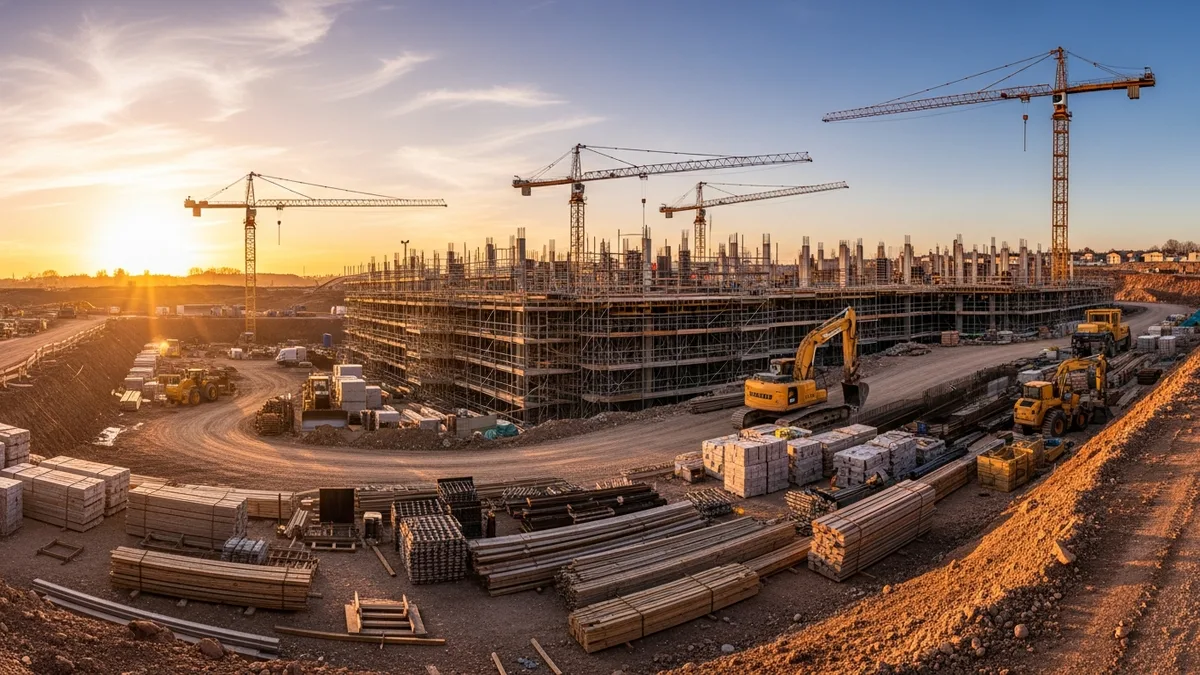
The construction labor shortage has been building for over a decade, and 2026 is not the year it suddenly fixes itself. If anything, it is getting worse. Retirements are outpacing new entrants, infrastructure spending is climbing, and every contractor you know is fighting for the same pool of skilled workers.
So how do you actually find good people and, more importantly, get them to stick around?
This is not a pep talk about “company culture” or a list of things you already know. These are the strategies that contractors are using right now to staff their crews and keep them showing up Monday morning. Whether you run a five-person framing crew or a 200-person commercial operation, the fundamentals are the same: make it easy to find you, make it worth staying, and stop losing people to problems you can fix.
The 2026 Labor Market: What Contractors Are Up Against
Let’s start with the numbers, because they tell the story better than anything else.
Associated Builders and Contractors (ABC) estimates the construction industry needs to bring in roughly 500,000 new workers every year over the next several years just to meet demand. That is on top of normal hiring. The Bureau of Labor Statistics reports that the median age of a construction worker continues to climb, meaning more experienced hands are retiring than entering the workforce.
At the same time, federal and state infrastructure bills are pumping billions into roads, bridges, water systems, and energy projects. Private construction spending remains strong in most regions. The work is there. The people are not.
What does this mean for you as a contractor? It means hiring is not just an HR task you hand off to someone. It is a core business function that directly affects whether you can bid on projects, hit deadlines, and protect your margins. Every week a position goes unfilled costs you money in delayed work, overtime for your existing crew, and missed opportunities.
The contractors who are winning the hiring game in 2026 are the ones who treat recruiting like marketing and treat retention like customer service. Your workers are your most valuable asset, and the competition for them is as fierce as the competition for projects.
Building a Hiring Pipeline That Actually Works
Read real contractor reviews and see why Projul carries a 9.8/10 on G2.
Most contractors hire reactively. Someone quits on Friday, and you are scrambling to find a replacement by Monday. That approach was painful five years ago. In 2026, it is a business risk you cannot afford.
Building a real hiring pipeline means thinking about recruiting before you need someone. Here is what that looks like in practice:
Tap into trade schools and apprenticeship programs. Community colleges and vocational programs are producing graduates who want to work with their hands. Show up at career fairs. Offer to host a jobsite tour. Partner with a local program to sponsor an apprentice. These relationships take time to build, but they pay off with a steady stream of entry-level workers who already have basic skills.
Use your existing crew as recruiters. Your best workers know other good workers. Offer a referral bonus that actually motivates people. Something like $500 to $1,000 for a hire who stays 90 days is common, and it is far cheaper than posting on job boards and hoping for the best. Some contractors pay half at hire and half at the 90-day mark to encourage referrals who stick.
Post where workers actually look. Indeed and LinkedIn are fine, but a lot of tradespeople find work through word of mouth, local Facebook groups, and industry-specific boards. Craigslist still works in many markets. The point is to go where your candidates are, not where you think they should be.
Make your job postings specific and honest. “Experienced carpenter needed” tells a candidate nothing. Include the pay range, the type of work, the location, and what a typical day looks like. Workers are comparing your posting to ten others. The one with real details wins. And for the love of everything, include the pay. Postings without pay ranges get skipped.
Speed up your hiring process. If it takes you two weeks to call someone back after they apply, they are already working for someone else. The best contractors in 2026 are responding to applications within 24 hours and making offers within a week. Construction workers are not sitting around waiting for your HR department to schedule a third interview.
What Workers Actually Want (It Is Not Just About the Money)
Yes, pay matters. If you are below market rate, no amount of pizza parties will keep people around. But once pay is competitive, the reasons workers stay or leave get more interesting.
Here is what we hear from contractors who have figured out retention:
Consistent, predictable schedules. Nothing burns out a crew faster than chaos. When workers do not know where they are going tomorrow or what time to show up, frustration builds fast. Using a scheduling tool that gives your crew visibility into the week ahead makes a real difference. Workers want to plan their lives around their work, not the other way around.
Fair and accurate time tracking. Paycheck disputes are one of the fastest ways to lose a good worker. If someone feels like their hours are being shorted or their overtime is not being captured correctly, trust erodes quickly. Switching to a digital time tracking system eliminates the guesswork and gives workers confidence that they are getting paid for every hour they put in.
Respect on the jobsite. This one is simple but often overlooked. Workers want to be treated like adults. That means clear expectations, honest feedback, and supervisors who listen. The old-school “my way or the highway” foreman is losing people to contractors who know how to communicate. A crew that feels respected works harder and stays longer.
A path forward. Workers who see no future with your company will eventually leave for one where they do. Even if you are a small operation, you can offer growth. Train a laborer to become a lead. Send someone to get a certification. Promote from within when you can. People stay where they feel like they are going somewhere.
Modern tools and processes. Nobody wants to work for a company that still runs on paper timesheets, handwritten schedules taped to the trailer wall, and shouted instructions. Younger workers especially expect digital tools. But honestly, even veterans appreciate not having to chase down paperwork. Using daily logs that everyone can access from their phone keeps communication clear and cuts down on the “I never heard about that” problems that create friction on every jobsite.
Onboarding That Sets New Hires Up to Succeed
You finally found a good candidate and got them to say yes. Now what? The first two weeks on the job are make-or-break for retention. A bad onboarding experience is one of the top reasons new hires quit within the first 90 days.
Here is the thing: onboarding in construction does not need to be complicated. It just needs to be intentional.
Have a plan for day one. Know where the new hire is going, who they are working with, and what they will be doing. Nothing feels worse than showing up to a jobsite and having everyone look at you like they were not expecting you. Assign a buddy or mentor for the first week so the new person has someone to ask questions without feeling like they are bothering the foreman.
Cover the basics before they pick up a tool. Safety orientation, company policies, how time tracking works, who to call if there is a problem. Get this out of the way on day one so the new hire can focus on the actual work starting day two. If you use construction management software, walk them through it. Show them how to clock in, check the schedule, and log their work. Five minutes of training on the app saves hours of confusion later.
Set clear expectations early. What does a good day look like? What are the non-negotiables on your jobsites? How do you handle call-outs? New hires who understand the rules from the start are far less likely to accidentally break them and end up in a conflict that leads to quitting.
Check in at the end of week one. A simple five-minute conversation goes a long way. Ask how things are going, if they have what they need, and whether anything surprised them. This is not about being soft. It is about catching small problems before they become big ones. Workers who feel heard during their first week develop loyalty that lasts.
Document everything. Keep records of safety training, certifications, and any incidents. Not only does this protect you legally, but it also shows workers that you take their safety and development seriously. If you are already using tools for daily logs and project documentation, adding onboarding records to the same system keeps everything in one place.
Retention Strategies That Go Beyond the Paycheck
Hiring is expensive. Losing someone you just trained is even more expensive. The real cost of turnover in construction is staggering when you add up recruiting expenses, training time, lost productivity, and the strain it puts on the rest of your crew.
Here are retention strategies that contractors are using successfully in 2026:
Performance bonuses tied to project milestones. Instead of vague annual bonuses, tie extra pay to specific outcomes. Finish the framing phase ahead of schedule? The crew gets a bonus. Zero safety incidents for the quarter? Bonus. This gives workers something concrete to work toward and reinforces the behaviors you want to see.
Health insurance and retirement benefits. These used to be rare in construction. Not anymore. The contractors who offer health coverage, even a basic plan, and some form of retirement contribution have a massive advantage in hiring and retention. Workers with families especially weigh these benefits heavily when deciding where to work.
Invest in training and certifications. Pay for your workers to get OSHA 30, first aid certified, or trained on new equipment. Not only does this make your crew more capable, but it also builds loyalty. A worker who got their crane certification on your dime is going to think twice before jumping ship. Plus, a more skilled workforce means you can take on more complex and profitable projects.
Consistent feedback, not just annual reviews. Workers want to know where they stand. A quick weekly or biweekly check-in with crew leads costs you nothing and gives workers the feedback they need to improve and feel valued. When someone does good work, say so. When something needs to change, address it directly and respectfully.
Reduce daily frustrations with better systems. A surprising amount of turnover comes from accumulated small annoyances: confusing schedules, paycheck errors, poor communication about changes, not knowing where to show up. These are all solvable problems. If you want to dig deeper into this topic, our construction employee retention guide covers the operational side in detail.
Show workers the business side. This one might sound unusual, but some of the best-retained crews are the ones who understand how the business works. When workers know that showing up on time and hitting quality standards directly affects whether the company gets more work (and whether they stay employed), they take more ownership. You do not need to open your books, but a little transparency about how projects are won and lost goes a long way.
Using Technology to Support Your Workforce (Not Replace It)
Technology in construction is not about replacing workers. Anyone who tells you otherwise has never tried to frame a wall with a robot. Technology is about removing the friction that makes your workers’ jobs harder than they need to be.
Here is where the right tools make a difference for hiring and retention:
Scheduling visibility. When your crew can see the week’s schedule on their phone, they can plan childcare, appointments, and their lives. That might sound small, but it is one of the most common complaints workers have about construction jobs: never knowing what tomorrow looks like. A good scheduling system solves this overnight.
Accurate, transparent time tracking. We touched on this earlier, but it is worth repeating. Digital time tracking with GPS verification protects both you and your workers. They get paid accurately, and you get reliable labor cost data. No more arguments about hours at the end of the week.
Faster communication. When changes happen on a project (and they always do), getting that information to the crew quickly prevents wasted trips, rework, and the frustration that comes with both. Daily logs, messaging through your project management platform, and digital plan access all contribute to a crew that feels informed rather than left in the dark.
Simplified reporting. Workers do not want to spend thirty minutes at the end of each day filling out paperwork. Digital daily logs that can be completed from a phone in five minutes are not just more efficient for you. They are more respectful of your workers’ time.
If you are evaluating construction management platforms, look for one that your crew will actually use. The fanciest software in the world is worthless if your workers hate it. Projul is built specifically for contractors and designed to be simple enough that your least tech-savvy crew member can pick it up in minutes. You can check out our pricing to see how it fits your operation.
Putting It All Together: Your 2026 Workforce Action Plan
The contractors who will thrive in 2026 are the ones who stop treating hiring and retention as separate problems and start seeing them as two sides of the same coin. Every decision you make about how you run your company, from the tools you use to the way your foremen communicate, affects both your ability to attract new workers and your ability to keep the ones you have.
Here is a simple action plan to get started:
This week: Audit your current hiring process. How long does it take from application to offer? Where are candidates dropping off? If you do not know, ask the last few people you hired what the experience was like.
This month: Talk to your crew. Not a formal survey (though those can help too). Just honest conversations about what is working and what is not. You might be surprised by what you hear. Sometimes the fix is as simple as updating your scheduling process or fixing a recurring paycheck issue.
This quarter: Pick one retention strategy from this article and commit to it. Maybe it is referral bonuses, maybe it is implementing a construction management platform, maybe it is starting an apprenticeship partnership with a local trade school. Do not try to do everything at once. Pick the thing that addresses your biggest pain point and execute it well.
This year: Build the pipeline. Start relationships with trade schools, create a presence in the places where workers look for jobs, and develop your reputation as a contractor who treats people right. This is a long game, but the contractors who start now will have a significant advantage over those who keep scrambling to hire reactively.
The labor shortage is real, and it is not going away anytime soon. But the contractors who adapt, the ones who invest in their people and their processes, will come out ahead. You do not need to be the biggest company or pay the highest wages. You need to be the company that workers choose to stay with because the work is steady, the pay is fair, the communication is clear, and the future looks good.
Curious how this looks in practice? Schedule a demo and we will show you.
That is how you win the workforce game in 2026. Not with gimmicks, but with the basics done right.
Frequently Asked Questions
How bad is the construction labor shortage in 2026?
What is the average cost of replacing a construction worker?
How do I attract younger workers to construction jobs?
What benefits do construction workers value most?
How can construction software help with employee retention?
Related Articles

Construction RFP Response: How to Win More Bids
Winning construction RFPs is not about being the cheapest. It is about showing the client you understand their project,...
Read More →
How to Fire a Subcontractor Without Blowing Up Your Project
Firing a sub mid-project is one of the hardest calls a GC can make. Here is how to do it the right way so your project...
Read More →
How to Start a Construction Company in 2026: Complete Startup Guide
Starting a construction company takes more than a truck and a tool belt. Here's a practical guide covering licensing,...
Read More →