Project Management Software for Construction Companies: Stay on Track

Managing construction projects can often feel like managing chaos without the right tools. From creating detailed estimates to ensuring tasks flow smoothly from start to finish, construction companies need to stay organized for success. This is where project management software for construction companies steps in to simplify operations and improve overall efficiency.
This guide will discuss how construction companies use construction project management software to organize tasks, track progress, and centralize communication. You’ll learn about the tools and features that help businesses reduce confusion, avoid delays, and keep clients satisfied.
The Importance of Project Management Software for Construction Companies

Construction companies that use project management software save 2+ hours daily on coordination tasks alone. For decades, firms relied on spreadsheets, paper plans, and scattered communications. That patchwork approach increases delays, leads to missed details, and frustrates both teams and clients. Projul ensures that all project information is accessible in one place, keeping project managers and teams in sync from the job site to the office.
The reality is that construction projects have more moving pieces than almost any other type of work. You’re coordinating trade partners, managing material deliveries, navigating permit schedules, dealing with weather, and communicating with clients who want updates. Trying to manage all of that through text messages, emails, and a whiteboard in your office is a recipe for dropped balls and expensive mistakes.
Project management software puts every piece of a project in one location. When your estimator wins a bid, the project details flow into the schedule. When your superintendent updates task progress in the field, the office sees it immediately. When a change order comes in, it gets tracked and priced without someone scribbling on the back of a napkin.
This isn’t about adding technology for technology’s sake. It’s about removing the friction that slows your business down and costs you money every single day.
Benefits of Project Management Software
- Centralized Communication ensures all team members stay on the same page by eliminating messy email threads and text chains, making updates and progress easy to track.
- Improved Collaboration with Subcontractors allows smooth coordination across tasks, plans, and deadlines, ensuring everyone knows their role.
- Better Scheduling and Planning helps teams stay organized, meet deadlines, and avoid costly delays with clear timelines and priorities. Check out our guide on construction scheduling software for a deep dive.
- Financial Management tools make it easy to monitor expenses, track actual costs, and stay within budget for every project.
- Job Costing Features provide accurate estimates, track spending, and help measure profitability, giving you better financial oversight on every job. Projul’s 26+ features cover all of these areas in a single platform.
How Construction Management Software Simplifies Processes
1. Simplified Task and Scheduling Management

Projul’s drag-and-drop scheduling lets you build detailed schedules in minutes, not hours. The platform helps companies run faster by assigning responsibilities and tracking progress through tools like Gantt charts and project timelines. Over 5,000 contractors use these tools to organize tasks, prioritize deadlines, and allocate resources effectively.
Real-time project scheduling updates through a centralized platform give general contractors, project managers, and site supervisors a clear project overview at any time. This ensures better communication across teams, reduces downtime, and minimizes the risk of delays.
What makes this different from a spreadsheet or a calendar app is the concept of dependencies. In construction, tasks have a natural order. You can’t hang drywall until the rough-in is done. You can’t paint until the drywall is finished and inspected. When you build those dependencies into your schedule, the software knows that pushing one task automatically affects everything downstream. That intelligence is what saves hours of manual rescheduling every week.
Projul’s scheduling also supports multiple views. Your project manager might prefer a Gantt chart. Your superintendent might want a simple daily task list. Your payroll team needs time entries organized by employee. Everyone gets the view that works for their role, all pulling from the same underlying data.
2. Centralized Document Management for Smooth Project Workflow

Projul stores every blueprint, contract, and document in one secure location so nothing gets lost mid-project. Losing critical files during key stages costs time and money. Projul’s document management with no per-user fees means your whole team has access without per-user fees.
With centralized document management, teams can efficiently track, access, and share project documents, contracts, and blueprints from anywhere, whether they’re in the office, on-site, or working remotely. This organized approach not only prevents missing details but also boosts collaboration across departments, enabling faster decision-making and smoother workflows.
Think about how documents actually move through a construction project today. The architect emails a revised set of plans to the project manager. The PM prints them and drops them in a plan room. A superintendent picks up a set and takes it to the job site. Meanwhile, the architect sends another revision, and now there are two different versions floating around. Someone builds off the old plans, and suddenly you’re dealing with rework.
Centralized document management kills that problem. Every document lives in one place with version control. When a new revision comes in, everyone sees the latest version. The old version is still there for reference, but it’s clearly marked as superseded. Your field crews pull up plans on their tablets and know they’re looking at the current set.
Additionally, these platforms often include secure access permissions to protect sensitive information like contracts, bid documents, and financial records. Not everyone needs to see everything, and role-based access makes sure the right people see the right files.
Quick tip: Many construction management software solutions include a client portal so clients can stay informed without flooding your inbox with questions.
3. Financial Management and Job Costing
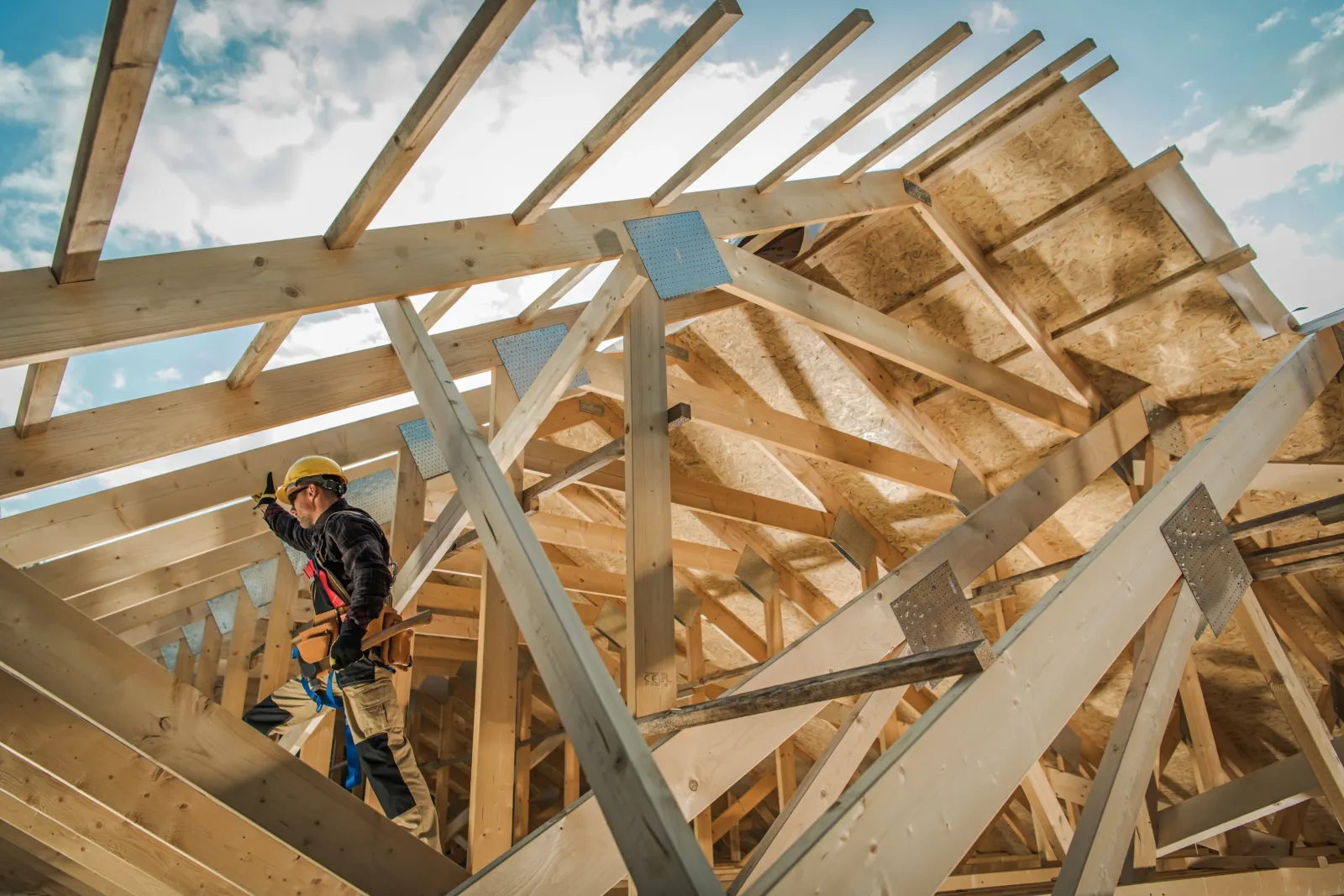
Projul’s job costing tools help contractors see a 32% profit increase by tracking actual costs against projected budgets in real time. The platform provides complete tools for financial management, expense tracking, and budget analysis in a single, user-friendly interface. Identifying potential overspending early means you make informed adjustments before financial setbacks hit.
Job costing is where most construction companies either thrive or bleed money without knowing it. Here’s the scenario: you bid a kitchen remodel at $45,000. The job runs smoothly, the client pays on time, and you feel good about it. But did you actually make money? Without job costing, you’re guessing. You know your total revenue and your total expenses for the month, but you don’t know which jobs were profitable and which ones ate into your margins.
With Projul’s job costing, every labor hour, material purchase, and equipment charge gets tagged to a specific job. At any point during the project, you can see exactly where you stand compared to your estimate. If your framing labor is running 20% over budget, you see it in real time and can adjust before the rest of the job follows suit.
This data also feeds your future estimates. When you know that residential bathroom remodels consistently take 15% more labor than you’re bidding, you can adjust your numbers. Over time, your estimates get more accurate, which means your margins get more predictable. That’s how you go from surviving to actually building a profitable company.
4. Fine-tuned Team and Resource Management

Projul’s resource management features with no per-user fees let you scale teams without added per-user fees. Custom task statuses, scheduling tools, and real-time tracking enable project managers to organize tasks effectively, delegate responsibilities, and monitor progress as projects grow more complex.
With these tools, teams can focus on high-priority tasks while avoiding bottlenecks. Project timelines can be adjusted dynamically as needs evolve, ensuring that resources such as materials, labor, and equipment are used efficiently. By simplifying task management and providing clear visibility into workflows, construction software helps improve collaboration across teams and ensures everyone stays aligned on project goals.
Resource management becomes more challenging as you grow. A five-person company can keep track of who’s doing what through a morning meeting. A fifty-person company with ten active job sites cannot. At that scale, you need a system that shows you where every crew is assigned, which jobs need additional labor next week, and which sites have equipment sitting idle.
Projul handles this by giving you a visual overview of all your resources across all your projects. You can see at a glance which crews have availability and which are overbooked. When a project wraps up early, you can immediately reassign that crew to another job instead of having them sit idle for two days.
Additionally, features like reporting dashboards and automated updates provide valuable insights for decision-making, allowing managers to address potential issues before they arise.
The Hidden Costs of Not Using Project Management Software

It’s worth pausing to think about what your current approach is actually costing you. Most contractors underestimate the cost of disorganization because the expenses are spread out and hard to see.
Double data entry is a common one. Your estimator builds a bid in Excel. When you win the job, someone re-enters all that information into your scheduling tool. Then someone else enters it again into your accounting software. Each re-entry takes time and introduces errors. Mistyped numbers lead to ordering the wrong quantity of materials or invoicing the wrong amount. Construction project management software eliminates this by flowing data from one stage to the next automatically.
Missed follow-ups cost you jobs. A potential client asks for an estimate. You send it over. Two weeks later, you haven’t heard back and you forgot to follow up because you were busy running three other jobs. That lead goes to your competitor. With a built-in CRM, the software reminds you to follow up. It tracks every lead and every proposal, so nothing falls through the cracks.
Scheduling conflicts cost you money and credibility. You accidentally schedule the same trade partner for two jobs on the same day. One job gets delayed. The client is unhappy. The sub is frustrated. Your reputation takes a hit. Software that shows all your jobs and resource assignments in one view prevents these conflicts entirely.
Lack of visibility causes slow decision-making. When your project data lives in different places, getting a clear picture of your business takes hours of pulling together reports. You might not realize a project is over budget until it’s too late. Real-time dashboards solve this by giving you an instant snapshot of every active job.
Add all of these hidden costs together, and you’re looking at thousands of dollars per month in wasted time, lost opportunities, and preventable mistakes. For most companies, project management software pays for itself within the first month.
Key Features to Look For in Construction Management Software
Projul packs 26+ features into one platform built specifically for contractors. Here are the essentials to keep your projects moving:
Real-Time Communication
Projul’s push notifications and in-app messaging keep teams aligned regardless of location. Over 5,000 contractors rely on these instant updates daily.
Detailed Daily Logs
Track project progress moment by moment with daily logs that capture what happened on each job site. Include photos, notes, weather conditions, and crew counts. These logs become invaluable when disputes arise or when you need to document progress for a client.
no per-user fees
Opt for software that allows no per-user fees so subcontractors, builders, and other stakeholders can collaborate without restrictions. Per-user pricing discourages you from adding people to the system, which defeats the purpose of having a centralized platform.
Time Tracking
Accurately track hours for billing and reporting purposes, ensuring transparency and better resource management. GPS-verified clock-in and clock-out removes disputes about who was on site and when.
Integrated Tools
Thousands of contractors have made the switch. See what they have to say.
Look for built-in tools like punch lists, Gantt charts, and scheduling features to improve efficiency and simplify project management. The fewer separate apps you need, the more likely your team will actually use the system consistently.
Choosing software with these features can help you save time, reduce errors, and improve communication across your construction projects.
Why Better Project Management Can Save You Time and Money

Projul users report saving $4,788/year on average by consolidating tools and reducing admin overhead. Better project management leads to fewer delays, happier clients, and smoother operations. The right software provides clear ways to simplify even the most complex processes.
Time savings come from everywhere. Estimating is faster because you can reuse templates and historical data. Scheduling is faster because you’re not rebuilding spreadsheets from scratch. Communication is faster because updates go out automatically instead of requiring phone calls. Invoicing is faster because the data flows from the project directly into the invoice.
Money savings come from better visibility. When you can see that a project is running over budget while there’s still time to correct it, you save the margin on that job. When you can track which types of projects are most profitable, you can focus your sales efforts there. When you eliminate double data entry, you eliminate the errors that come with it.
Staying Ahead with Scheduling
Projul’s scheduling tools help contractors keep projects on track with drag-and-drop simplicity and automatic crew notifications. Learn more about preventing delays: Construction Schedule Software.
Building Winning Estimates
Accurate estimates are the foundation of profitable projects. Projul’s estimating tools with a 9.8/10 G2 rating help improve bid accuracy and win more work.
Ready to stop guessing and start managing? Schedule a demo to see Projul in action.
FAQs About Construction Management Software
What features should I look for in construction project management software?
Look for software that offers task management, team collaboration, financial tracking, and real-time updates. A user-friendly interface and mobile accessibility with real time push notifications are also essential for on-the-go management. Projul covers 26+ feature areas in one platform, so you’re not juggling a bunch of different apps.
Is Projul suitable for larger construction firms?
Projul is ideal for general contractors and specialty contractors who want an all-in-one platform without per-user pricing. Companies from 5 employees to 1,000+ run their operations through Projul.
How can construction software improve team communication?
Construction management tools like Projul provide real-time notifications, centralized platforms for updates, and team collaboration features, ensuring everyone stays informed and connected.
What are the cost benefits of using construction project management software?
By speeding up workflows, reducing errors, and improving scheduling, construction management software can save time and money while boosting overall efficiency.
Can Projul help with financial management?
Yes, Projul includes features for financial tracking, ensuring you can manage budgets, expenses, and invoicing in one place.
How easy is it to implement Projul in my construction business?
Projul is designed to be intuitive and simple to use, with a dedicated support team to help you onboard and get started quickly.
Do I need technical expertise to use construction project management software?
Most modern tools, including Projul, are built with ease of use in mind, requiring little to no technical expertise. Training and customer support resources are available to assist if needed.
How does Projul handle document management?
Projul centralizes all project-related documents, making it easy to upload, share, and access important files in one secure location.
Can construction project management software help with client communication?
Yes, Projul has a client portal that facilitates communication, providing clients with updates and access to project information in real time.
The Projul Advantage in Construction Project Management
Construction companies no longer need to rely on outdated systems or fragmented tools. Adopting construction project management software can reduce delays, prevent confusion, and improve client satisfaction.
The difference between a good year and a bad year often comes down to how well you manage the details. Missed deadlines, budget overruns, and communication breakdowns are not inevitable parts of the construction business. They’re symptoms of disorganization, and the right software fixes disorganization.
Projul was built by a contractor who lived these problems firsthand. Every feature exists because it solves a real problem that construction companies face every day. That’s why over 5,000 contractors trust Projul to run their operations.
To explore the ultimate guide to software for construction companies, check out our complete guide. And if you’re ready to transform how your projects operate, Projul provides the right tools for every stage of your business. With 26+ features and no per-user fees, every team member gets full access.
Frequently Asked Questions
What is the best project management software for construction companies?
How does project management software help construction companies save money?
Can construction companies manage multiple projects at once with software?
Does construction management software integrate with accounting tools?
How long does it take to set up construction project management software?
Related Articles
Software for Construction Companies: The Ultimate Guide
Effectively managing construction projects is no small feat. Construction companies face a range of challenges, from...
Read More →
Keep Every Project Profitable with Job Costing Tools
Profitability in the construction industry hinges on one key factor: accurate job costing. Even with precise estimates...
Read More →
How to Track Labor and Time Without Chasing Crews
Tracking labor hours is one of the biggest challenges for construction companies. When crews are working across...
Read More →