
What Is Job Costing in Construction? Complete Guide (2026) | Projul
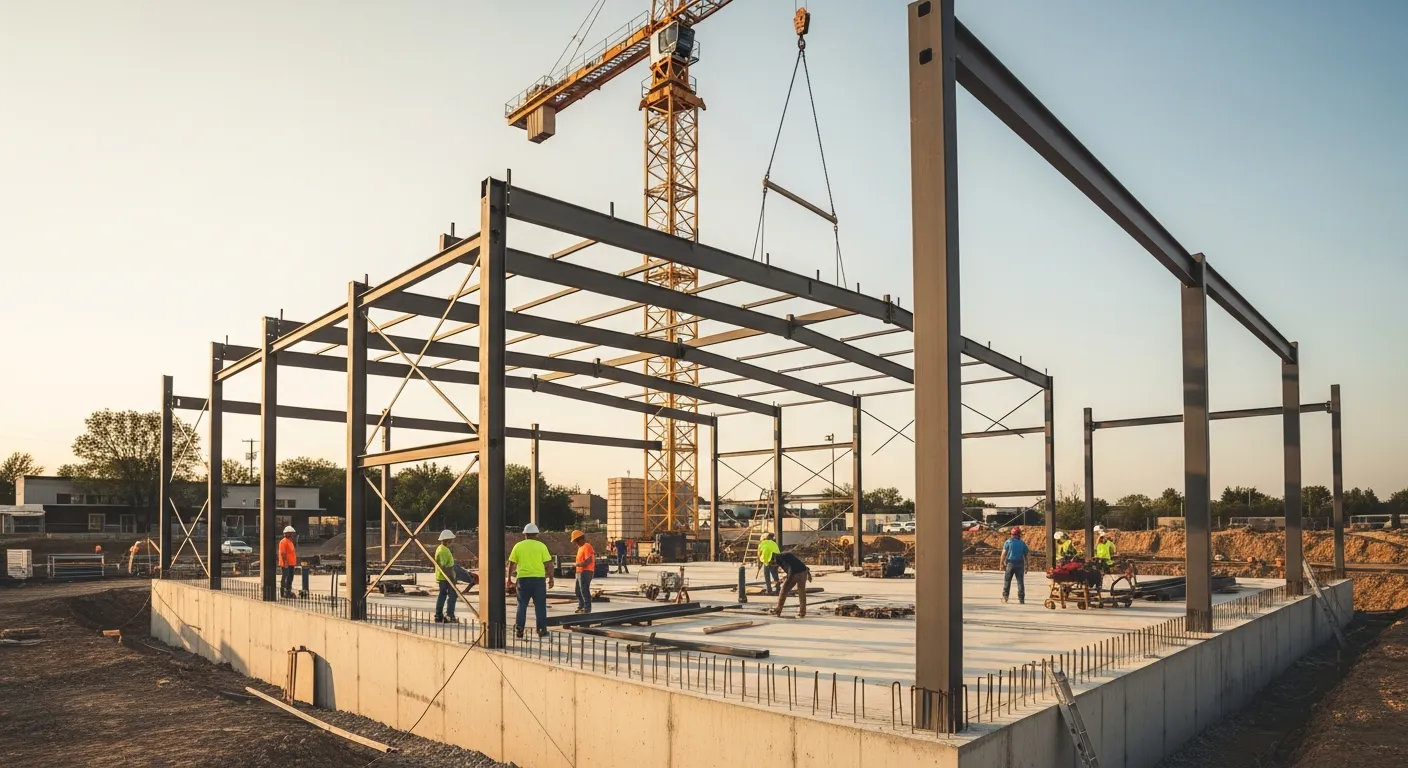
Job costing in construction is the process of tracking every cost tied to a specific project so you know exactly how much money you made (or lost) on each job. It covers labor, materials, equipment, subcontractor costs, and overhead. Without it, you’re guessing. And guessing is how contractors go broke.
If you’ve ever finished a job and thought, “I know we were busy, but where did all the money go?” then you already understand why job costing matters. This guide breaks down what job costing is, how it works in construction, and how to actually set it up without losing your mind.
Why Job Costing Matters in Construction
Construction is different from most industries. You don’t make one product over and over on an assembly line. Every project is unique. Different scope, different site conditions, different subs, different timelines. That means you can’t just look at your bank account at the end of the month and know if things are going well.
Job costing gives you project-level visibility. You can see:
- Which projects are profitable and which ones are bleeding money
- Where your estimates are off so you can bid more accurately next time
- Which crews or subs are efficient and which ones are costing you
- When a project is going over budget before it’s too late to course-correct
Here’s a stat that should keep you up at night: roughly 1 in 5 construction businesses fail within the first few years. Cash flow problems are the leading cause. And the root of most cash flow problems? Not knowing your true costs per project.
Job Costing vs. Process Costing: What’s the Difference?
You might hear accountants throw around “process costing” and wonder how it’s different. The short version:
Job costing assigns costs to individual projects. Every receipt, every hour of labor, every sub invoice gets tagged to a specific job. A custom home builder uses job costing because no two houses are the same.
Process costing averages costs across identical units. A concrete block manufacturer uses process costing because they’re making the same product thousands of times.
In construction, job costing is almost always the right approach. Even if you do the same type of work repeatedly (say, bathroom remodels), every project has different variables. Different square footage, different fixtures, different access issues. You need to track costs per job.
The only exception might be a production home builder doing the exact same floor plan on 50 lots. Even then, most builders still prefer job costing because site conditions and change orders make each one a little different.
The Building Blocks of Construction Job Costing
Every job cost system breaks expenses into a few core categories. Think of these as buckets where every dollar gets sorted.
1. Direct Labor
This is the wages you pay to workers who physically work on the job. Carpenters, electricians, plumbers, laborers. It includes their hourly rate plus burden (payroll taxes, workers’ comp, benefits). If a framer makes $30/hour, his true cost to you might be $42/hour once you add burden.
Track labor by having your crew log their hours to specific jobs and cost codes. A guy who splits his day between two jobs should log hours to each one separately. Yes, this takes discipline. No, there’s no way around it.
2. Materials
Lumber, concrete, pipe, wire, drywall, screws, caulk. Everything you buy for a specific job. The key here is tracking what actually gets used on each project, not just what gets ordered.
Every contractor has dealt with material waste, theft, or leftover stock that sits in the yard. Your job costing system should capture what was budgeted vs. what was actually consumed.
3. Subcontractor Costs
Projul is trusted by 5,000+ contractors. See their reviews to find out why.
If you hire subs for electrical, plumbing, HVAC, or any other trade, those invoices get assigned to the specific job they worked on. This one’s usually straightforward because subs bill per project.
4. Equipment Costs
Owned equipment costs (depreciation, maintenance, fuel) and rented equipment costs both get allocated to jobs. If you own a skid steer and it’s on-site for three weeks, you need to assign a cost to that job for those three weeks.
5. Overhead Allocation
This is the tricky one. Overhead includes your office rent, insurance, office staff salaries, accounting software, truck payments, and all the other costs that aren’t tied to one specific job but keep your business running.
You need to allocate a portion of overhead to each project. Most contractors do this based on a percentage of direct costs or as a percentage of revenue. For example, if your annual overhead is $300,000 and you do $3 million in revenue, your overhead rate is 10%. A $100,000 job would get $10,000 in allocated overhead.
How to Set Up Job Costing: Step by Step
You don’t need an accounting degree. You just need a system and the discipline to follow it. Here’s how to get started.
Step 1: Create a Cost Code Structure
Cost codes are the backbone of job costing. They’re categories that let you sort and compare costs across projects. A simple structure might look like:
- 01 - General Conditions (permits, dumpsters, temp utilities)
- 02 - Site Work (excavation, grading, fill)
- 03 - Concrete (foundations, flatwork, slabs)
- 04 - Framing (lumber, labor, hardware)
- 05 - Electrical
- 06 - Plumbing
- 07 - HVAC
- 08 - Insulation
- 09 - Drywall
- 10 - Paint
- 11 - Flooring
- 12 - Finish Carpentry / Trim
- 13 - Roofing
- 14 - Landscaping
- 15 - Overhead / General Admin
You can customize this to match your trade and project types. The important thing is consistency. Use the same codes across every job so you can compare apples to apples.
Step 2: Build Your Estimate Around Cost Codes
When you bid a job, build your estimate using the same cost code structure. This is critical. If your estimate says framing will cost $45,000 and your job costing system tracks actual framing costs, you can compare budget vs. actual in real time.
Too many contractors build estimates in one format and track costs in another. Then they wonder why they can’t tell if a job is on track until it’s over.
Step 3: Track Costs in Real Time
This is where most contractors drop the ball. They plan to track costs, but then things get busy and they end up doing it once a month. Or never.
Real-time tracking means:
- Daily time cards logged to specific jobs and cost codes
- Material purchases coded to jobs at the point of purchase (not three weeks later when the credit card statement arrives)
- Sub invoices entered as they come in
- Equipment logs maintained weekly at minimum
The closer you track to real time, the faster you can catch problems. If framing labor is already at 80% of budget and you’re only half done, you know NOW, not after the trim is up and the client has moved in.
Step 4: Review Job Cost Reports Weekly
A report you never look at is worthless. Set a weekly cadence to review job cost reports for every active project. The key numbers to watch:
- Budget vs. Actual by Cost Code - Are you over or under in each category?
- Percent Complete vs. Percent Spent - If you’re 50% done but have spent 75% of the budget, you have a problem.
- Projected Final Cost - Based on current burn rate, what will this job actually cost when it’s done?
- Change Order Impact - Have approved changes been added to the budget?
Step 5: Close Out Jobs and Do a Post-Mortem
When a project wraps up, don’t just cash the final check and move on. Sit down with your team and review the numbers.
- Where did you come in under budget? Why?
- Where did you go over? Why?
- Were there scope changes that weren’t captured?
- What would you bid differently next time?
This is where job costing becomes a competitive advantage. Every completed project makes your next estimate more accurate. Over time, you build a library of real cost data that no competitor without job costing can match.
Common Job Costing Mistakes (and How to Avoid Them)
Mistake 1: Not Tracking Labor Accurately
If your crew just writes “8 hours” on a time card with no job number or cost code, that data is useless. Get specific. Job number, cost code, hours. Every day. Use a mobile app if paper time cards aren’t cutting it.
Mistake 2: Lumping Costs Together
“Materials - $12,000” tells you nothing. Was it lumber? Concrete? Fixtures? The more granular your tracking, the more useful your data. You don’t need to track every box of screws, but you should separate major material categories.
Mistake 3: Forgetting Overhead
A job that made $50,000 in gross profit sounds great. But if your monthly overhead is $40,000 and that job took two months, you basically broke even. Always factor overhead into your job cost analysis.
Mistake 4: Only Looking at Costs After the Job Is Done
Post-mortem analysis is good. But if that’s the ONLY time you look at job costs, you’re missing the whole point. The real value is catching overruns while you can still do something about them.
Mistake 5: Using Spreadsheets for Everything
Spreadsheets work when you have two or three jobs running. But as your business grows, manually entering data into Excel becomes a full-time job that nobody wants. And spreadsheets don’t update in real time. By the time you’ve entered everything, the data is already stale.
Making Job Costing Easier with Software
Modern construction management software can automate a lot of the grunt work in job costing. Time tracking from the field, material cost entry, sub invoice management, and automatic budget-vs-actual reporting are all features to look for.
Projul, for example, connects estimating, scheduling, and job costing in one platform. When your estimate flows directly into your job cost budget, you eliminate the disconnect that causes most tracking problems. And because field crews can log time from their phones, you get real data without chasing paper time cards.
Whatever tool you use, the key is finding something your team will actually adopt. The fanciest software in the world is worthless if your foreman won’t touch it.
When Should You Start Job Costing?
Yesterday. Seriously.
If you’re running even one project without job costing, you’re flying blind. You might be making money. You might not. You literally don’t know.
Start simple if you need to. Even tracking labor and materials by job in a basic spreadsheet is better than nothing. Then graduate to proper software as your business grows.
The contractors who thrive long-term aren’t always the best builders. They’re the ones who know their numbers. Job costing is how you know your numbers.
Book a quick demo to see how Projul handles this for real contractors.
FAQ
Q: What is job costing in construction? A: Job costing in construction is a method of tracking all costs (labor, materials, equipment, subcontractors, and overhead) for each individual project. It tells you the true profit or loss on every job you complete.
Q: How is job costing different from process costing? A: Job costing tracks costs per individual project, while process costing averages costs across identical products. Construction uses job costing because every project is unique with different variables and conditions.
Q: What cost categories should I track for job costing? A: Track five main categories: direct labor (wages plus burden), materials, subcontractor costs, equipment costs (owned and rented), and an allocated share of your overhead expenses.
Q: How often should I review job cost reports? A: Review job cost reports weekly for every active project. Compare budget vs. actual spending by cost code, check percent complete vs. percent spent, and project final costs based on current burn rates.
Q: Can I do job costing with spreadsheets? A: You can start with spreadsheets for a small number of projects, but they become unmanageable as you grow. They also lack real-time updates. Construction management software with built-in job costing features is a better long-term solution.
Q: What’s the biggest job costing mistake contractors make? A: Only looking at job costs after the project is complete. The real value of job costing is catching cost overruns during the project when you can still adjust, reassign resources, or negotiate change orders.
Frequently Asked Questions
What is job costing in construction?
What's the difference between job costing and regular accounting?
How do I start job costing if I've never done it before?
What are cost codes in construction job costing?
How often should I review job costs during a project?
Related Articles

BIM Clash Detection: How to Catch Conflicts Before They Cost You on the Jobsite
BIM Clash Detection: How to Catch Conflicts Before They Cost You on the Jobsite Every contractor has a story about the...
Read More →
Asphalt Paving and Compaction Guide: Mix Types, Laydown Temperatures, and Quality Testing
Asphalt paving looks straightforward from a distance. A truck dumps material, the paver lays it down, and rollers...
Read More →
Construction Jobsite Wi-Fi & Connectivity Guide: Setting Up Reliable Internet in the Field
A practical guide to getting reliable internet on construction job sites. Learn about cellular hotspots, mesh networks,...
Read More →