
Construction Fleet Management: GPS and Cost Control
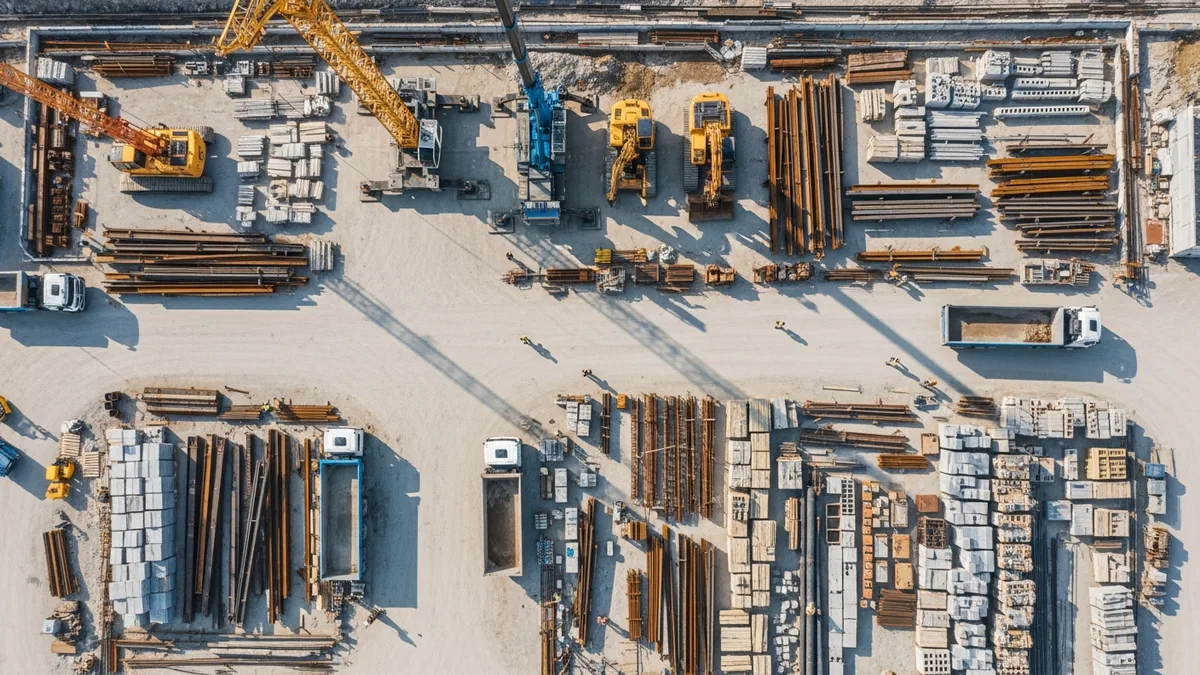
Your trucks, vans, and trailers are the backbone of your operation. They get your crews to the job, haul your materials, and carry your tools. But for many contractors, the fleet is also one of the biggest money pits in the business.
Between fuel, maintenance, insurance, depreciation, and the occasional fender bender, fleet costs can eat into your margins faster than just about anything else. The good news is that most of these costs are manageable if you have the right systems in place.
This guide walks through the key pieces of fleet management for construction companies: GPS tracking, fuel management, maintenance scheduling, driver safety, and knowing when to replace a vehicle instead of pouring more money into repairs.
Why Fleet Management Matters for Contractors
Most contractors know exactly what their labor costs per hour. They know their material markups and their overhead rates. But ask them what their fleet costs per mile, and you will get a blank stare.
That blind spot is expensive. Here is what unmanaged fleet costs typically look like:
- Fuel waste from idling and unauthorized use. The average work truck idles 6 to 8 hours per week. At roughly $3.50 per gallon and half a gallon per hour of idling, that is $10 to $14 per truck per week in pure waste.
- Reactive maintenance. Fixing breakdowns costs 3 to 5 times more than preventive maintenance. And that does not include the cost of a crew sitting idle waiting for a truck to get fixed.
- Insurance overpayment. Without tracking and safety data, you have no leverage to negotiate better rates.
- Premature replacement. Poorly maintained vehicles wear out faster, forcing you to replace them sooner than necessary.
A basic fleet management approach can cut your total fleet costs by 15% to 25%. For a contractor running 10 trucks, that could mean $40,000 to $80,000 per year back in your pocket.
GPS Tracking: The Foundation of Fleet Management
If you do nothing else on this list, install GPS trackers in your vehicles. The data they provide touches every other aspect of fleet management.
What GPS Tracking Tells You
Modern GPS fleet tracking goes far beyond a dot on a map. A good system gives you:
- Real-time location. Know where every vehicle is at any moment. Useful for dispatching the closest truck to a job and for verifying that crews are where they are supposed to be.
- Route history. See where vehicles have been, how long they stayed, and what route they took. This helps you identify inefficient routing and unauthorized detours.
- Speed and driving behavior. Get alerts for speeding, hard braking, rapid acceleration, and other risky driving habits.
- Idle time. See exactly how long each vehicle sits running without moving. This is one of the easiest costs to cut.
- Geofencing. Set virtual boundaries around job sites, your shop, and supply houses. Get alerts when vehicles enter or leave these areas.
- Engine diagnostics. Many trackers pull data from the vehicle’s OBD-II port, giving you check-engine codes and maintenance alerts in real time.
Choosing a GPS System
The market is crowded, but here are the key factors for construction fleets:
- Hardwired vs. plug-in. Hardwired trackers are more reliable and harder to tamper with. Plug-in OBD-II trackers are easier to install and move between vehicles. For permanent fleet vehicles, go hardwired.
- Refresh rate. How often the tracker reports its location. 30-second intervals are standard. Some systems offer 10-second or even real-time tracking, which matters for dispatching.
- Equipment tracking. Some systems also offer battery-powered trackers for trailers, generators, and other unpowered equipment. This is a big plus for contractors.
- Mobile app quality. You and your supervisors will check the app constantly. Make sure it is fast, reliable, and easy to use on a phone.
- Reporting. Good reports on mileage, idle time, speeding events, and stop duration are essential for managing costs and driver behavior.
- Monthly cost. Expect to pay $15 to $35 per vehicle per month for a good system. Hardware is often free or low cost with a contract commitment.
Getting Buy-In from Your Crew
Let’s be honest: drivers do not love being tracked. But you can get buy-in by framing it correctly:
- Safety first. If a driver is in an accident or breaks down in a remote area, GPS helps you find and help them quickly.
- Fairness. GPS data protects good drivers from false accusations and ensures everyone follows the same rules.
- Efficiency. Better routing means less windshield time and more productive hours on the job.
- Transparency. Let drivers see their own data. When people know the rules and can see how they are measured, most will self-correct.
Be upfront about installing trackers. Sneaking them in destroys trust and may violate state privacy laws.
Fuel Management: Plugging the Leaks
Fuel is typically the largest variable cost in a construction fleet. Small improvements here produce big savings.
Fuel Cards
If you are still reimbursing drivers for fuel receipts, you are leaving money on the table and opening yourself up to fraud.
Fuel cards provide:
- Volume discounts. Most fuel card programs negotiate per-gallon discounts of 3 to 8 cents. On 50,000 gallons per year, that is $1,500 to $4,000 in savings.
- Purchase controls. Set limits on gallons per transaction, fuel grade, time of day, and even which stations can be used. This prevents drivers from fueling personal vehicles or making non-fuel purchases.
- Automated reporting. Every transaction is logged with the vehicle, driver, date, location, gallons, and price. No more chasing paper receipts. If your team still handles other reimbursements manually, a solid construction expense report process can save just as much time.
- Tax reporting. Clean fuel data makes it easy to claim fuel tax credits and deductions at year end.
Popular fuel card options for contractors include WEX, Comdata, Fuelman, and the RTS Pro card. Compare discount networks, monthly fees, and reporting features before choosing.
Reducing Fuel Consumption
Beyond fuel cards, here are proven ways to cut fuel costs:
- Reduce idling. Use GPS data to identify high-idle vehicles and set idle-time policies. A simple rule like “shut off the engine if you will be stopped for more than 3 minutes” can save hundreds of gallons per year across your fleet.
- Right-size your vehicles. Not every job requires a one-ton dually. If a half-ton truck can handle the load, the fuel savings are significant.
- Maintain tire pressure. Under-inflated tires increase fuel consumption by 3% to 5%. Check pressures monthly.
- Keep up with maintenance. Dirty air filters, worn spark plugs, and old oil all reduce fuel efficiency.
- Plan routes. Dispatching the closest truck to a job site instead of the one that happens to be at the shop saves miles and fuel.
Maintenance Management: The Money You Save by Spending Money
Preventive maintenance is one of those things every contractor knows they should do but many skip when things get busy. That is a costly mistake.
The Cost of Reactive Maintenance
When you ignore maintenance and wait for things to break, you pay more in every way:
- Repair costs. A $50 oil change prevents a $5,000 engine rebuild. New brake pads cost $200; new rotors and calipers cost $800.
- Downtime. A scheduled oil change takes 30 minutes. A tow, diagnosis, and engine repair takes days. Meanwhile, your crew is sitting.
- Safety. Bald tires, worn brakes, and bad steering components put your drivers and the public at risk. One accident can cost more than years of maintenance.
- Vehicle lifespan. Well-maintained trucks routinely hit 250,000 to 300,000 miles. Neglected ones start falling apart at 150,000.
Building a Maintenance Schedule
Start with the manufacturer’s recommended service intervals, then adjust based on your operating conditions. Construction vehicles typically need more frequent service than highway-use vehicles because of:
- Dirt, dust, and debris (clogs air filters faster)
- Stop-and-go driving (harder on brakes and transmissions)
- Heavy loads (increased wear on suspension, tires, and drivetrain)
- Off-road conditions (harder on everything)
A basic maintenance schedule for a construction work truck might look like this:
Every 5,000 miles or 3 months:
- Oil and filter change
- Tire inspection and rotation
- Fluid levels check
- Wiper blades
Every 15,000 miles or 6 months:
- Brake inspection
- Air filter replacement
- Battery test
- Belts and hoses inspection
Every 30,000 miles or annually:
- Transmission fluid
- Coolant flush
- Spark plugs (gas engines)
- Fuel filter
- Differential fluid
- Full suspension inspection
Every 60,000 miles:
- Timing belt/chain inspection
- Major brake service
- Full drivetrain inspection
Tracking Maintenance
You need a system to track what has been done and what is due. Options range from simple to sophisticated:
- Spreadsheet. Fine for a fleet of fewer than five vehicles. Track mileage, service dates, and upcoming items.
- Fleet management software. Systems like Fleetio, Fleet Complete, or your GPS provider’s built-in tools automate reminders and track costs per vehicle.
- Shop relationship. A good fleet mechanic or dealer service department will track your vehicles in their system and send reminders. Just make sure you also keep your own records.
The key is consistency. Pick a system and stick with it. A half-used maintenance tracker is worse than none because it gives you false confidence.
Driver Safety: Protecting Your People and Your Bottom Line
Your drivers represent your company on the road every day. Their behavior affects your insurance rates, your liability exposure, and your reputation.
Building a Driver Safety Program
You do not need a formal program with classroom training and certification (though that is great if you can do it). At minimum, establish:
- Clear expectations. Written policies on speed limits, phone use, seatbelts, following distance, and vehicle inspection requirements.
- Regular check-ins. Use GPS data to have monthly conversations with drivers about their driving habits. Focus on coaching, not punishment.
- Incident reporting. Every accident, near miss, and moving violation gets reported and documented, no exceptions.
- Pre-trip inspections. A simple walk-around checklist that drivers complete before hitting the road each day. Tires, lights, mirrors, fluid levels, and a scan for damage.
Using GPS Data for Safety
GPS tracking gives you the data to identify risky drivers before they cause an accident:
- Speeding reports. Which drivers regularly exceed posted limits or your company speed policy?
- Hard braking events. Frequent hard braking often indicates following too closely or distracted driving.
- Rapid acceleration. Aggressive driving wastes fuel and increases accident risk.
- Hours driven. Fatigued driving is dangerous. Make sure drivers are not spending excessive time behind the wheel.
Address patterns early. A driver who regularly speeds or brakes hard is a liability waiting to happen. A conversation now is better than an accident later.
Dashcams
Forward-facing and dual-facing dashcams are becoming standard in commercial fleets. They provide:
- Accident evidence. Video footage resolves liability disputes quickly and accurately.
- Theft deterrence. Interior-facing cameras discourage unauthorized vehicle use.
- Driver coaching. Review footage from hard-braking or speeding events to coach specific behaviors.
- Insurance discounts. Many insurers offer reduced premiums for fleets with active dashcam programs.
Dual-facing cameras (road and driver) are more effective but also more intrusive. Consider starting with forward-facing only and adding interior cameras if needed.
Vehicle Replacement Cycles: Knowing When to Let Go
Every vehicle reaches a point where keeping it on the road costs more than replacing it. The trick is identifying that point before you have poured thousands into a money pit.
The Lifecycle Cost Approach
Instead of looking at just the purchase price or just the repair bill, consider the total cost of keeping a vehicle in service:
- Depreciation. How much value does the vehicle lose each year?
- Maintenance and repairs. What are you spending annually to keep it running?
- Fuel. Older vehicles are typically less fuel-efficient.
- Downtime. How many days per year is the vehicle out of service for repairs?
- Reliability. Can your crew count on it, or are they worried about breaking down on the way to a job?
When the total annual cost of ownership for an older vehicle approaches or exceeds the cost of a newer replacement (including financing), it is time to trade. The same rent-vs-buy math applies to specialty equipment like cranes, where the decision is even more complex. Our crane rental vs. ownership guide breaks down the numbers for that specific scenario.
General Replacement Guidelines
Every fleet is different, but here are some general rules of thumb for construction work trucks:
- Mileage threshold. Most gas trucks start showing significant maintenance increases at 150,000 to 200,000 miles. Diesels can often go further, 250,000 to 300,000 miles, before major work is needed.
- Age. Regardless of mileage, vehicles older than 10 to 12 years start having electrical, body, and component failures that are expensive to fix.
- Repair frequency. If a vehicle is in the shop more than twice per quarter for unplanned repairs, it is probably time.
- 50% rule. If annual repair costs exceed 50% of the vehicle’s current value, replace it.
When it is time to replace, choosing the right vehicle matters just as much as knowing when to pull the trigger. Our work truck selection guide covers payload ratings, upfit options, and how to match the truck to the work.
Buying vs. Leasing
Both options have merit for construction fleets:
Buying makes sense when:
- You put heavy miles and wear on vehicles
- You want to customize with racks, tool boxes, and graphics without restrictions
- You plan to keep vehicles long-term
- You want to build equity and eventually have payment-free vehicles
Leasing makes sense when:
- You want newer vehicles with warranty coverage at all times
- You want predictable monthly costs
- You do not want to deal with selling or trading older vehicles
- Cash flow is more important than total cost of ownership
Many contractors use a hybrid approach: buy trucks that take heavy abuse and customize them, while leasing lighter-duty vehicles like salesman trucks or estimator vehicles.
Putting It All Together with Technology
Managing a fleet on spreadsheets and sticky notes works until it does not. As your fleet grows, the complexity of tracking maintenance, fuel, driver behavior, and costs across multiple vehicles and job sites becomes overwhelming.
Construction management platforms like Projul help you coordinate your fleet alongside your projects, schedules, and crews. When you can see which vehicles are assigned to which jobs, track equipment across sites, and keep your operational data in one place, fleet management becomes part of your daily workflow instead of an afterthought.
Start Simple, Build Over Time
You do not need to implement everything in this guide at once. Start with the highest-impact items:
- Install GPS trackers. The data they provide informs every other decision.
- Get fuel cards. Instant savings with almost no effort.
- Set up a maintenance schedule. Even a basic one prevents the most expensive failures.
- Track your costs. You cannot manage what you do not measure.
From there, layer in driver safety programs, dashcams, and more sophisticated analysis as your fleet and your comfort level grow. And if you’re looking to improve safety across your entire operation, not just the fleet, check out our guide to construction safety software.
The contractors who manage their fleets well consistently outperform those who do not. Lower costs, fewer surprises, less downtime, and safer operations. That is what good fleet management delivers.
Frequently Asked Questions
How much can GPS tracking save a construction company?
What is the best GPS tracking system for construction fleets?
How often should construction vehicles be serviced?
Are fuel cards worth it for small contractors?
When should I replace a vehicle in my construction fleet?
How do I reduce fuel costs for my construction fleet?
Do I need a fleet management system if I only have five trucks?
How does fleet management affect my insurance rates?
Related Articles

How Construction Teams Use AI to Cut Admin Time
Most contractors lose a full day every week to paperwork. AI now handles the repetitive admin work that used to eat...
Read More →
Concrete Tilt-Up Construction: A Contractor's Complete Field Guide
Tilt-up construction accounts for roughly 15 percent of all industrial and commercial buildings in North America. This...
Read More →
How to Implement Construction Software Without Losing Your Mind
Most construction software rollouts fail. Not because the software is bad, but because the rollout was rushed. Here are...
Read More →